
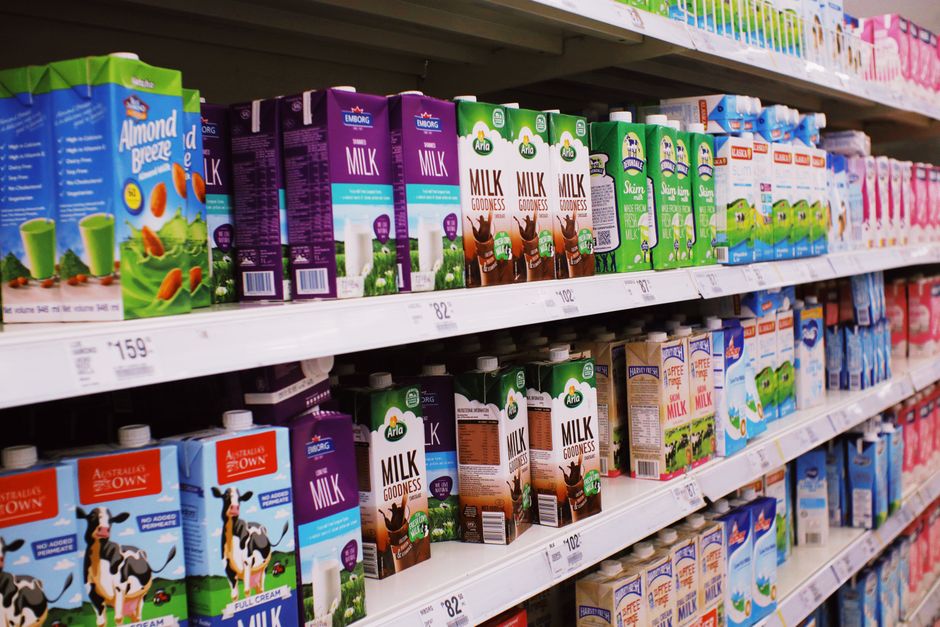
Coconut milk is naturally dairy-free. It comes from the white flesh of mature coconuts, not from any animal. This makes it a safe choice for people with a dairy allergy or lactose intolerance. You can use it in many recipes that call for cow’s milk, though the flavor and texture differ. Because it is a plant-based liquid, it contains no lactose and no milk proteins like casein or whey.
What Exactly Is Coconut Milk?
Coconut milk is a liquid made by grating the white meat of a mature coconut and mixing it with water. The mixture is then strained to produce a creamy, white liquid. This is a completely different product from coconut water, which is the clear liquid found inside a young green coconut.
The fat content is what separates coconut milk into different types. Canned coconut milk is thick and rich because it contains a high amount of coconut fat. Carton coconut milk, often sold near other plant milks, is thinner because it is diluted with more water. Both are dairy-free.
Because coconut milk is a plant product, it is naturally free of lactose and casein. Lactose is the sugar found in dairy milk. Casein is one of the main proteins in dairy. Many people who cannot digest dairy tolerate coconut milk without any issues.
Is Coconut Milk Dairy Free in All Forms?
Plain coconut milk is always dairy-free. The issue appears only when manufacturers add other ingredients. Some brands blend coconut milk with cow’s milk or add milk proteins to improve texture. This is rare but it happens, especially in mixed beverages or desserts.
You should always read the ingredient label. Look for the word “milk” in the allergen statement. In the United States, food labels must clearly state if a product contains milk. If the label says “contains milk,” the product is not safe for someone with a dairy allergy, even if coconut is the first ingredient.
Canned coconut milk is almost always pure. It typically contains coconut extract and water. Carton varieties may contain added vitamins, stabilizers, or sweeteners, but these are rarely dairy-based. If you are highly sensitive, checking the label is the only way to be certain.
What Is the Difference Between Coconut Milk and Coconut Cream?
Coconut cream is similar to coconut milk but with much less water. It is the thick, solid part that rises to the top of canned coconut milk. Coconut cream contains more fat and is richer in texture. It is also dairy-free.
Some brands sell a product called “cream of coconut.” This is different. Cream of coconut is sweetened and used mainly for cocktails and desserts. It is still dairy-free, but it contains added sugar. It is not a direct substitute for coconut cream in savory recipes.
When a recipe calls for coconut milk, you can use coconut cream mixed with water to achieve a similar consistency. This works well in soups and curries. The flavor will be slightly richer because of the higher fat content.





Is Coconut Milk Good for People with Lactose Intolerance?
Yes. Lactose intolerance happens when the body does not produce enough lactase, the enzyme needed to break down lactose. Since coconut milk contains no lactose, it does not trigger these symptoms. Many people with lactose intolerance use coconut milk as their primary milk substitute.
The symptoms of lactose intolerance include bloating, gas, diarrhea, and stomach cramps after eating dairy. Switching to coconut milk eliminates these symptoms because the trigger is absent. This is one of the main reasons people choose coconut milk over cow’s milk.
However, coconut milk is not a nutritional match for cow’s milk. Cow’s milk is naturally high in calcium and vitamin D. Some brands of coconut milk are fortified with these nutrients, but not all are. If you replace dairy with coconut milk, you may need to get calcium and vitamin D from other foods.
Is Coconut Milk Safe for People with a Milk Allergy?
A milk allergy is different from lactose intolerance. It is an immune reaction to milk proteins, specifically casein or whey. Coconut milk contains neither of these proteins. Therefore, it is safe for most people with a milk allergy.
That said, cross-contamination is a real concern. Some facilities process both dairy and coconut products on the same equipment. If you have a severe allergy, look for products labeled “dairy-free” or “made in a facility free of milk.” This label indicates the manufacturer has taken steps to prevent cross-contamination.
Coconut allergy is separate from milk allergy. A person can be allergic to both, but having one does not mean you have the other. If you have never eaten coconut before, try a small amount first to see how your body responds.
How Does Coconut Milk Compare to Other Plant Milks?
Almond milk, oat milk, soy milk, and rice milk are all dairy-free as well. The choice often comes down to taste, texture, and nutrition. Coconut milk has the highest fat content of the common plant milks, which makes it the best substitute for heavy cream in cooking.
Soy milk has a protein content similar to cow’s milk. Oat milk is naturally sweet and works well in coffee. Almond milk is low in calories but also low in protein. Coconut milk is rich and creamy but contains little protein.
Here is a simple comparison of common plant milks:
- Coconut milk: High fat, low protein, creamy texture
- Soy milk: Medium fat, high protein, neutral taste
- Almond milk: Low fat, low protein, nutty taste
- Oat milk: Medium fat, low protein, sweet taste
No plant milk is nutritionally identical to cow’s milk. Each has strengths and weaknesses. The best choice depends on what you need it for, whether that is cooking, drinking, or adding to cereal.
Can You Use Coconut Milk in Place of Cow’s Milk in Recipes?
You can, but you need to adjust your expectations. Coconut milk has a distinct flavor that does not disappear when cooked. In savory dishes like curries and soups, this flavor is welcome. In baked goods, it can change the taste noticeably.
Canned coconut milk is much thicker than cow’s milk. If a recipe calls for one cup of cow’s milk, use half a cup of canned coconut milk and half a cup of water. This gives you a similar consistency without making the dish too heavy.
Carton coconut milk is closer to cow’s milk in thickness. It can be swapped in equal amounts for most baking recipes. The texture may be slightly different, but the result is usually acceptable.
One thing to keep in mind: coconut milk does not curdle the same way cow’s milk does. This is an advantage in recipes that involve acid, like tomato-based soups. It is also a disadvantage in recipes that rely on curdling, like homemade ricotta cheese.
Is Coconut Milk Healthy?
Coconut milk is high in saturated fat. A cup of canned coconut milk contains a significant amount of fat, most of which is saturated. The research on saturated fat and heart health is mixed, but most major health organizations recommend limiting saturated fat intake.
This does not mean coconut milk is unhealthy. It simply means you should use it in moderation. Using coconut milk in a curry a few times a week is very different from drinking a glass of it every day.
One benefit of coconut milk is that it contains a type of fat called medium-chain triglycerides, or MCTs. Some studies suggest MCTs are metabolized differently than other fats and may be used for quick energy. However, the evidence for health benefits from MCTs in coconut milk is limited, and no large human trials have confirmed significant weight loss or energy benefits from consuming coconut milk specifically.
Fortified coconut milk can be a good source of calcium and vitamin D. Unfortified coconut milk is not. Check the label to see which nutrients have been added.
Frequently Asked Questions
Does coconut milk contain lactose?
No. Coconut milk is a plant-based liquid and contains no lactose at all. It is safe for people with lactose intolerance.
Can I drink coconut milk if I have a dairy allergy?
Yes, plain coconut milk is safe for most people with a dairy allergy. Check the label to make sure the product was not processed on shared equipment with dairy.
Is canned coconut milk the same as coconut milk in a carton?
No. Canned coconut milk is thicker and higher in fat. Carton coconut milk is diluted with water and has a consistency closer to cow’s milk.
Can I use coconut milk in coffee?
Yes, but it may separate in hot coffee. Carton coconut milk blends better than canned. Some brands make barista versions designed specifically for coffee and they are also dairy-free.
