
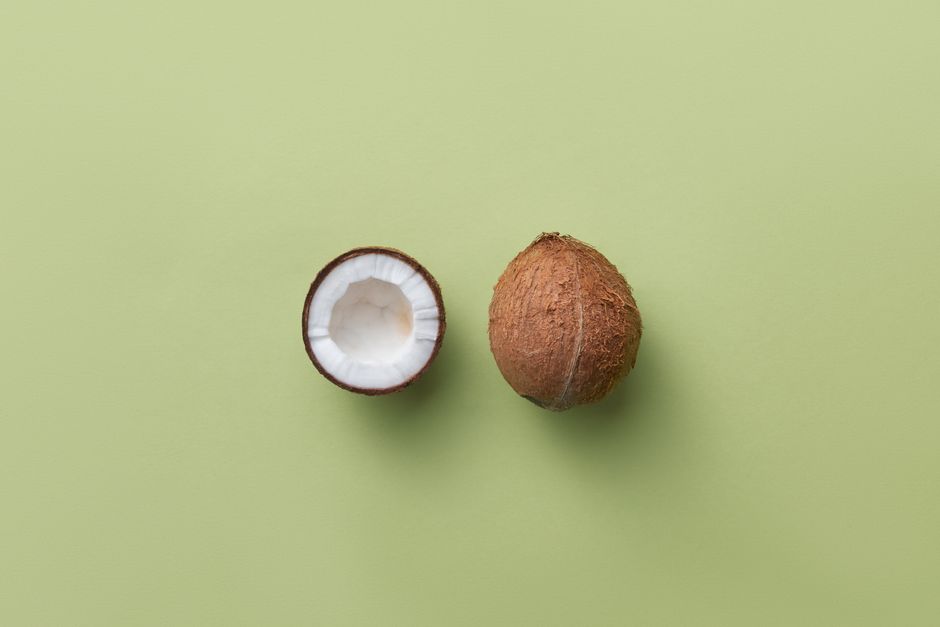
Coconut flour is a low-carb flour. A quarter-cup serving contains roughly 16 grams of total carbohydrates, but about 10 of those grams come from fiber, leaving around 6 grams of net carbs. That low net carb count is why it fits into ketogenic and other low-carb eating patterns. It is not, however, a simple one-to-one swap for wheat flour. It absorbs far more liquid, behaves very differently in recipes, and can be easy to overeat if you are not paying attention to portions.
Is Coconut Flour Low Carb Net Carbs And Keto Facts?
Yes. Coconut flour is one of the lowest-carb flours commonly used in keto baking. Its net carb content is low because a large share of its carbohydrates are fiber, which the body does not digest and absorb the way it does starch or sugar.
Net carbs are calculated by subtracting fiber from total carbohydrates. For coconut flour, that math leaves a small number per serving. This is the core reason it appears in so many low-carb and keto recipes.
It helps to understand why fiber is subtracted in the first place. Fiber passes through the digestive tract largely intact. It does not raise blood glucose the way digestible carbohydrates do. That is the logic behind net carb counting, and it is why coconut flour looks so different from wheat flour on paper.
One clarification worth making: net carb counting is a practical tool, not a perfect science. Different people digest and absorb carbohydrates at different rates. The net carb figure is a reasonable estimate, not an exact measurement of what your body does with the food.
How Many Net Carbs Are in Coconut Flour?
A quarter-cup of coconut flour contains about 16 grams of total carbohydrates and roughly 10 grams of fiber, which works out to about 6 grams of net carbs. That is a meaningful difference from wheat flour, which is much higher in digestible starch.
The exact numbers vary a little by brand and how the flour is milled. But the general picture is consistent across products. Coconut flour is high in fiber relative to its total carbohydrate content, and that is what keeps its net carb count low.
Here is a rough comparison of how these flours stack up per quarter-cup:
| Flour (quarter-cup) | Total Carbs | Fiber | Net Carbs |
|---|---|---|---|
| Coconut flour | ~16 g | ~10 g | ~6 g |
| Wheat flour | ~22 g | ~1 g | ~21 g |
| Almond flour | ~6 g | ~3 g | ~3 g |
Notice that almond flour actually has fewer net carbs per quarter-cup than coconut flour. This surprises many people who assume coconut flour is the lowest option. Both are low-carb, but they are not identical, and the “best” choice depends on the recipe and your goals.
Why Does Coconut Flour Have So Much Fiber?
Coconut flour is made from dried, defatted coconut meat that is ground into a fine powder. The fiber content is naturally high because coconut meat itself is fiber-rich. When the fat is removed during processing, what remains is largely fiber and some protein.
Most of that fiber is insoluble, meaning it does not dissolve in water and is not fermented much by gut bacteria. Insoluble fiber adds bulk to stool and can help with regularity. Coconut flour also contains some soluble fiber, though the insoluble type dominates.
This high fiber content is exactly why coconut flour behaves so strangely in baking. Fiber absorbs a lot of water. That is why coconut flour recipes call for far more liquid and eggs than wheat flour recipes do. Skip that adjustment and you get a dry, crumbly result.





Does Coconut Flour Fit a Keto Diet?
Yes, coconut flour can fit a ketogenic diet, which typically keeps net carbs very low each day. Because a serving contributes only a few net carbs, it leaves room for other low-carb foods.
But fitting a keto diet is about total daily intake, not any single ingredient. A food being “keto-friendly” does not mean you can eat unlimited amounts. Coconut flour still carries calories and some net carbs, and those add up.
There is also a practical trap. Coconut flour is calorie-dense and very filling because of its fiber. Some people find that a small amount goes a long way, while others find they eat more than expected because the flour is used in treats that are easy to over-consume. Portion awareness matters.
One more point worth stating plainly: no single flour makes or breaks a keto diet. What matters is the overall pattern of eating across the day and week.
How Do You Bake With Coconut Flour?
Coconut flour cannot be swapped one-for-one with wheat flour. It needs more liquid, more eggs, and often a binder. This is not a preference — it is a requirement of how the flour behaves.
- Use more eggs. Eggs provide structure and moisture that coconut flour lacks on its own.
- Add more liquid. Coconut flour soaks up water, so recipes need extra milk, water, or oil.
- Expect a denser texture. Baked goods made with coconut flour tend to be heavier than wheat-based ones.
- Let batter rest. Giving the batter a few minutes lets the flour absorb liquid before baking.
- Follow coconut-flour-specific recipes. Substituting into a standard recipe rarely works.
If you are new to it, start with recipes written specifically for coconut flour rather than trying to convert a family favorite. The learning curve is real, and starting with tested recipes saves a lot of failed batches.
Are There Downsides to Coconut Flour?
Coconut flour is not right for everyone. Its high fiber content can cause bloating, gas, or digestive discomfort, especially if you increase fiber quickly. Adding it gradually and drinking enough water can help.
Because it absorbs so much liquid, coconut flour baked goods can be dry if the recipe is not followed carefully. This is a texture issue, not a health one, but it affects whether people stick with it.
People with a coconut allergy should avoid coconut flour entirely. Coconut is a tree nut in the broader sense for some labeling purposes, though botanically it is a fruit. If you have a tree nut allergy, check with your doctor before using it, since guidance on coconut varies.
Finally, coconut flour is not a magic health food. It is a low-carb flour with a lot of fiber. That is its main selling point. Claims that it does more than that are not supported by strong evidence.
Is Coconut Flour Healthier Than Other Flours?
“Healthier” depends on what you are comparing and why. Coconut flour is higher in fiber and lower in net carbs than wheat flour. That can be an advantage for blood sugar management and low-carb eating.
But almond flour has fewer net carbs per serving and more fat, which some people prefer. Wheat flour, despite its higher carbs, is often enriched with nutrients and is far cheaper and easier to bake with. Each has trade-offs.
The evidence is mixed on whether any one flour is meaningfully better for long-term health. What most research supports is the overall dietary pattern — plenty of vegetables, adequate protein, and limited added sugar — rather than the specific flour in a muffin.
If your goal is fewer net carbs, coconut flour is a reasonable tool. If your goal is better baking results with less fuss, it may not be the easiest choice. Match the flour to your actual goal.
Frequently Asked Questions
Is coconut flour keto-friendly?
Yes, coconut flour is considered keto-friendly because a quarter-cup has only about 6 grams of net carbs. Its high fiber content is what keeps the net carb count low.
How many net carbs are in a quarter-cup of coconut flour?
A quarter-cup contains about 16 grams of total carbs and roughly 10 grams of fiber, leaving about 6 grams of net carbs. Exact values vary slightly by brand.
Can I substitute coconut flour for wheat flour one-to-one?
No, coconut flour cannot replace wheat flour one-to-one because it absorbs far more liquid. Recipes need more eggs and more liquid, so use recipes written specifically for coconut flour.
Does coconut flour raise blood sugar?
Coconut flour has a limited effect on blood sugar compared with wheat flour because much of its carbohydrate is fiber. Individual responses still vary, so people managing blood sugar should monitor their own readings.
