
Clam chowder can be a fattening food, and the numbers depend almost entirely on how it is made. A cup of cream-based New England clam chowder commonly contains around 160 to 200 calories, with a large share of those calories coming from fat and refined starch. The same cup of tomato-based Manhattan clam chowder usually lands closer to 80 to 100 calories. So the honest answer is: clam chowder is not automatically fattening, but the creamy versions are calorie-dense enough that they can add up fast, especially in restaurant portions.
Is Clam Chowder Fattening Calories Fat And Weight?
Whether clam chowder contributes to weight gain comes down to calories, portion size, and how often you eat it. Weight gain happens when you consistently take in more calories than your body uses. A single bowl of chowder will not change your weight on its own. A daily large bowl of cream-based chowder as a side dish, on top of everything else you eat, can push your intake higher than you realize.
The key issue is calorie density. Cream-based chowder packs a lot of calories into a small volume of food. That means you can drink a cup of it quickly without feeling full the way you would after eating the same number of calories from a meal with more protein, fiber, and water content.
New England clam chowder is the creamy style most people picture. Manhattan clam chowder uses a tomato base and no cream, which is why it is much lighter. Rhode Island clam chowder, less common, uses a clear broth and is lighter still. The style matters more than the clams themselves.
How Many Calories Are in a Bowl of Clam Chowder?
Calories vary widely by recipe, brand, and serving size, so any single number is an estimate. The table below reflects typical ranges for common styles and portion sizes. Treat these as general guides, not exact figures for a specific product.
| Style and portion | Typical calories | Main calorie sources |
|---|---|---|
| Manhattan, 1 cup | About 80–100 | Tomatoes, potatoes, clams |
| New England, 1 cup | About 160–200 | Cream, butter, potatoes |
| New England, large restaurant bowl | Often 400 or more | Cream, butter, potatoes, larger portion |
Restaurant bowls are the real trap. A “bowl” at many restaurants is closer to two cups than one, and it may be served in a bread bowl, which adds several hundred more calories from the bread itself. A bread bowl of creamy chowder can approach the calorie load of an entire meal.
Canned and refrigerated versions sold in stores vary too. Some use cream, some use milk, and some use a mix of starches and thickeners. Reading the nutrition label on the specific product is the only reliable way to know what you are getting.
What Makes Clam Chowder High in Fat and Calories?
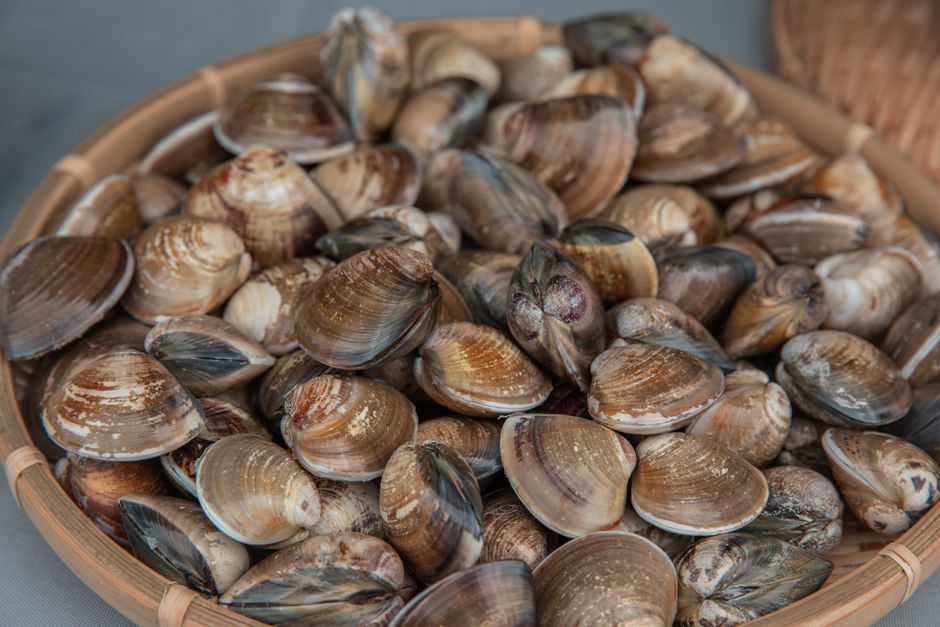
The clams are not the problem. Clams are lean and low in calories. The fat and calories come from what the chowder is built around.
- Cream and whole milk — the base of New England chowder. Cream is high in fat and calorie-dense.
- Butter — often used to sauté onions and celery at the start, and sometimes added at the end.
- Potatoes — a source of carbohydrate, and starchy thickeners are sometimes added too.
- Bacon or salt pork — traditional in many recipes, adding both fat and sodium.
- Flour or starch — used to thicken, adding refined carbohydrate.
One clarification worth making: fat is not the enemy here on its own. Fat is calorie-dense at 9 calories per gram, compared with 4 calories per gram for protein and carbohydrate. That is simply how fat works. The issue with chowder is that fat, starch, and a large portion tend to arrive together.





Is Cream-Based or Tomato-Based Chowder Better for Weight?
For calorie control, tomato-based Manhattan chowder is the lighter choice, usually by roughly half the calories per cup. It skips the cream and butter, so it is lower in fat. That does not automatically make it a “diet food.” It is still a starchy soup with potatoes, and it can be high in sodium.
If you prefer creamy chowder, you do not have to give it up. Portion size is the lever that matters most. A one-cup serving of New England chowder as part of a meal is very different from a bread bowl of it eaten as a snack. Choosing a cup instead of a bowl, and skipping the bread bowl, changes the calorie math substantially.
Some people find that pairing a smaller serving of chowder with a side salad or a source of protein helps them feel full on fewer total calories. That is a reasonable practical approach, though it is not a specific clinical recommendation.
Does Clam Chowder Have Any Nutritional Benefits?
Clams themselves are genuinely nutritious. They are a good source of protein, vitamin B12, iron, and selenium, and they are low in fat. A chowder made with a modest amount of cream still delivers some of that. The problem is that the cream, butter, and starch can crowd out the benefits if the portion is large.
Chowder is also typically high in sodium. Canned and restaurant versions especially can carry a significant share of a day’s recommended sodium in a single serving. For people watching blood pressure or managing heart or kidney conditions, that is worth knowing. The Dietary Guidelines for Americans advise keeping sodium under 2,300 milligrams per day for most adults, and many chowders make a noticeable dent in that.
So clam chowder is not empty calories. It is calorie-dense calories with some real nutrition mixed in. The balance tips based on how it is made and how much you eat.
How Can You Fit Clam Chowder Into a Healthy Diet?
You can include clam chowder in a balanced eating pattern without much trouble if you are thoughtful about a few things. None of this is medical advice for a specific condition, just general guidance based on how calories and portions work.
- Choose a cup over a bowl, and skip the bread bowl.
- Try Manhattan or broth-based styles if you want to cut calories and fat.
- Look for versions made with milk instead of heavy cream.
- Check the sodium on canned and restaurant versions if that matters for you.
- Treat a large creamy chowder as a meal, not a side, rather than adding it on top of one.
Homemade chowder gives you the most control. You can use low-fat milk, cut back on butter, and load it with clams and vegetables. The flavor still works. The calorie load drops.
The broader point is that no single food decides your weight. What matters is the overall pattern over weeks and months. Clam chowder fits into that pattern fine as an occasional part of a meal. It becomes a problem mainly when large creamy portions show up often and go unaccounted for.
Frequently Asked Questions
Is clam chowder fattening?
Cream-based clam chowder is calorie-dense and can contribute to weight gain if eaten often in large portions. A single serving will not cause weight gain on its own, but frequent large bowls can add up.
How many calories are in a cup of New England clam chowder?
A cup of cream-based New England clam chowder typically contains around 160 to 200 calories. Restaurant bowls are often larger and can hold two cups or more.
Is Manhattan clam chowder lower in calories than New England?
Yes, Manhattan clam chowder is usually about half the calories of the creamy New England style because it has no cream or butter. It is still a starchy, often salty soup.
Is clam chowder healthy?
Clams are nutritious, providing protein, vitamin B12, iron, and selenium, but creamy chowder is high in fat, calories, and sodium. The health picture depends on the recipe and portion size.
