

If you have uterine fibroids and the number on the scale has crept up, you may wonder whether the two are connected. The answer is nuanced: fibroids can cause the scale to rise, but they do not make you gain fat. Any weight gain tied to fibroids comes from the physical bulk of the tumors themselves, from an enlarged uterus, or from bloating — not from new body fat. Many people with fibroids gain no weight at all.
That distinction matters. It tells you what to expect, what to discuss with your doctor, and why the number on the scale is not the whole story.
Do Fibroids Cause Weight Gain?
Fibroids can add pounds on the scale, but they do not cause fat gain. A fibroid is a noncancerous tumor of the muscular wall of the uterus. It has physical mass. A large fibroid, or a cluster of them, can weigh several pounds, and a uterus enlarged by fibroids can be substantially heavier than a normal uterus, which weighs roughly 60 to 70 grams in a person who is not pregnant.
This is a real but limited effect. Most fibroids are small and add little or nothing to body weight. The weight gain people notice is usually more about the size of the uterus than the fibroids themselves. An enlarged uterus pushes the belly outward, which can look and feel like weight gain even when the number on the scale has barely moved.
Here is the part that gets lost in online discussions: fibroids do not change how your body stores fat. They do not slow your metabolism or cause fat to accumulate. If you have gained fat, the cause is something else — diet, activity, hormones, age, or another medical condition. Fibroids may happen to be present at the same time, but that does not mean they caused it.
How Much Weight Can Fibroids Actually Add?
There is no single answer because it depends entirely on the size and number of fibroids. Some are pea-sized. Others can grow to the size of a grapefruit, a melon, or larger. A very large fibroid or an enlarged fibroid uterus can add a noticeable amount to body weight, and surgeons sometimes describe removing a uterus that weighed several pounds.
That said, this is the exception, not the rule. Most people with fibroids do not have tumors large enough to show up meaningfully on a scale. If your fibroids are small — which is common — they are unlikely to account for more than a fraction of a pound.
No reliable numbers exist for how much weight an average fibroid adds, because size varies so widely. If you want to know whether your fibroids are contributing to your weight, that is a conversation to have with your doctor, ideally alongside imaging that shows the size of your uterus and your fibroids.
Why Your Belly Can Look Bigger Without Weight Gain
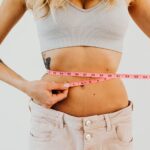
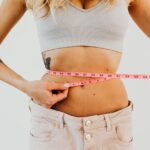
An enlarged uterus changes the shape of your abdomen. This is one of the most common reasons people with fibroids feel they have gained weight when they have not. The uterus sits low in the pelvis. As fibroids grow, the uterus can expand upward and outward, pressing against the abdominal wall and creating a firm, rounded belly.
This is a change in shape and contour, not fat. You can have the same body weight and a visibly different midsection. Clothing may fit differently around the waist. Some people describe looking pregnant when they are not.
Bloating adds to the effect. Fibroids can cause pelvic pressure and a sensation of fullness, and some people notice cyclical bloating that worsens around their period. Bloating is temporary fluid and gas, not tissue, but it can make the belly look and feel larger on any given day.



When Weight Gain Is Not From Fibroids
Weight gain has many causes, and fibroids are rarely the main one. If you are gaining weight and also have fibroids, it is worth looking at the more common explanations before assuming the fibroids are responsible.
- Fat gain from energy balance. Eating more calories than you burn over time leads to fat storage. This is the most common cause of weight gain at any age.
- Hormonal changes. Perimenopause and menopause are often accompanied by changes in where the body stores fat, particularly around the abdomen, even without a large change in total weight.
- Thyroid conditions. An underactive thyroid can slow metabolism and cause weight gain, along with fatigue and other symptoms.
- Other conditions. Conditions such as polycystic ovary syndrome, Cushing syndrome, and depression can be associated with weight changes.
- Medications. Some medications, including certain antidepressants and steroids, are associated with weight gain.
Fibroids and weight gain can also share underlying factors. Fibroids are more common in people with obesity, and research has found an association between higher body weight and higher fibroid risk. That does not mean weight gain causes fibroids in any simple way, and the relationship is not fully understood. It does mean the two often appear together, which can make it tempting to assume one caused the other.
Can Losing Weight Shrink Fibroids?
There is no strong evidence that losing weight shrinks existing fibroids. Weight loss may reduce fibroid risk or slow growth in some people, but the research is not consistent enough to promise this. Fibroids are driven largely by estrogen and progesterone, and their growth is not simply a matter of body weight.
What weight loss can do is improve overall health and make fibroid symptoms easier to manage. It can also make surgery safer if you need it. But it is not a treatment for fibroids, and no clinical guideline recommends weight loss as a way to shrink them.
If your goal is to address fibroid symptoms, the treatments that have evidence behind them are different. They include medications that manage bleeding and pain, procedures such as uterine artery embolization, and surgery such as myomectomy or hysterectomy. Which option fits depends on your symptoms, the size and location of your fibroids, and whether you want to preserve fertility.
What Symptoms Should Prompt a Doctor Visit?
See a doctor if you notice a rapid change in the size of your abdomen, a firm or growing belly, or pelvic pressure that is new or worsening. These can be signs of enlarging fibroids, and they can also have other causes that need to be ruled out.
Other symptoms worth discussing include heavy or prolonged menstrual bleeding, pelvic pain, pain during sex, frequent urination, constipation, and a feeling of fullness in the lower belly. Heavy bleeding in particular can lead to iron-deficiency anemia, which causes fatigue and can affect how you feel day to day.
Rapid abdominal growth deserves prompt attention. While most fibroids are benign, a fast-growing mass should be evaluated to confirm what it is. Your doctor can use pelvic exam and imaging, usually ultrasound, to see the size and location of your fibroids and whether they are likely affecting your weight or shape.
The Bottom Line on Fibroids and the Scale
Fibroids can add weight through their physical mass and through an enlarged uterus, but they do not cause fat gain. For most people, the effect on the scale is small or nonexistent. A bigger belly is more often about uterine size and bloating than about pounds.
If you are gaining weight and have fibroids, look at both together with your doctor rather than assuming one explains the other. The honest position is that fibroids are a possible but usually minor contributor to weight, and the more common causes of weight gain deserve a real look. Getting clear on which is which helps you address the right thing.
Frequently Asked Questions
Do fibroids make you gain weight?
Fibroids can add weight on the scale through their physical mass and an enlarged uterus, but they do not cause fat gain. Most fibroids are small and add little or nothing to body weight.
Can fibroids cause belly fat?
No. Fibroids do not cause fat to accumulate in the belly. An enlarged uterus and bloating can make the belly look larger, but that is a change in shape and size, not fat.
How much weight can a large fibroid add?
It varies widely with size, and no reliable average exists. A very large fibroid or enlarged fibroid uterus can add several pounds, but most fibroids are too small to affect the scale meaningfully.
Does losing weight help shrink fibroids?
There is no strong evidence that weight loss shrinks existing fibroids. Weight loss can improve overall health and make surgery safer, but it is not a recommended treatment for fibroids.
