
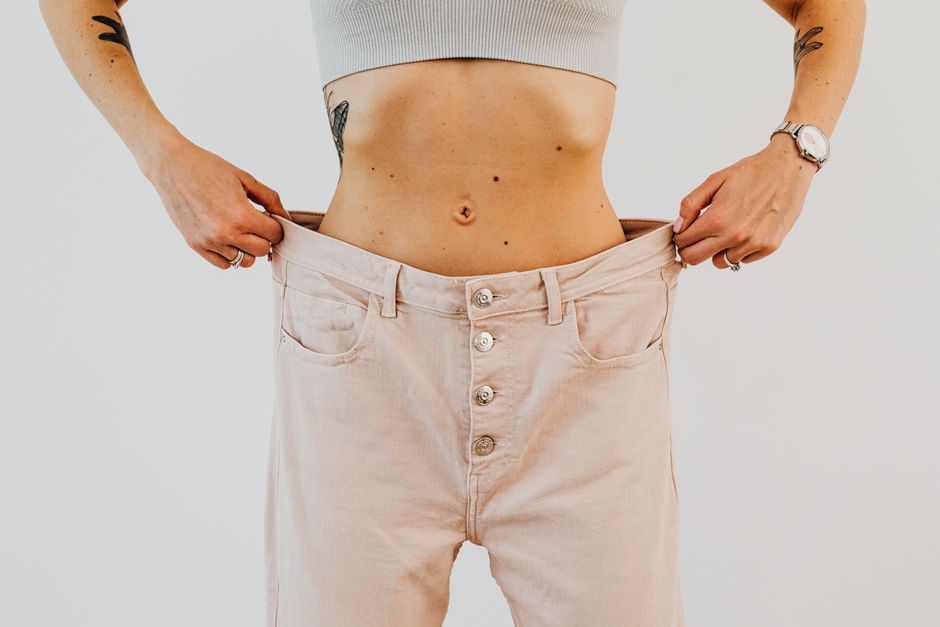
You cannot target fat loss to your thighs. Spot reduction — the idea that exercising a body part burns fat from that area — is not supported by physiology. Fat is mobilized from stores across your whole body when you create a calorie deficit, and where you lose it first is largely determined by genetics, sex, and hormones, not by which muscle you work. What you can do is lower overall body fat, build the muscles of your thighs, and improve how your legs look and function. That combination is what actually changes thigh size and shape.
Why can’t you lose fat from your thighs specifically?
Fat cells release stored fat when your body needs energy, and they do so through signals that travel in the bloodstream — not through local muscle activity. When you exercise a muscle, the fat burned to fuel that work can come from anywhere in the body. Research on spot reduction has generally found that training a specific area does not preferentially reduce fat over that muscle.
Where you store fat and where you lose it is strongly influenced by genetics and hormones. Many women carry more fat in the hips and thighs, a pattern tied to estrogen and reproductive biology. This is normal, and it often means the lower body is one of the last places fat comes off. That is frustrating but not a sign you are doing something wrong.
One clarification worth knowing: you can absolutely change the appearance of your thighs. You just do it by changing total body fat and muscle, not by “burning thigh fat” with a specific move.
What actually reduces body fat?
Body fat falls when you take in fewer calories than you burn over time. There is no way around this basic arithmetic, and no food, wrap, or supplement changes it. The practical question is how to create that deficit in a way you can sustain.
A modest calorie deficit is the foundation. Large, aggressive deficits are hard to maintain and tend to increase muscle loss, which works against the shapely legs most people want. A slow, steady approach preserves muscle better and is easier to stick with.
Protein matters during fat loss. Eating enough protein helps preserve muscle while you are in a deficit. General guidance from nutrition bodies suggests most adults need more protein than the old minimum, and people actively losing weight may benefit from the higher end of that range. If you have kidney disease or other conditions affecting protein intake, talk to your clinician first.
Sleep and stress affect appetite hormones and eating behavior. Poor sleep is linked to higher calorie intake and weight gain in observational studies. This is not a moral issue — it is biology that makes the deficit harder to hold.
Alcohol adds calories that are easy to overlook and can increase appetite. Cutting back is one of the simplest changes for many people.
Which exercises build and shape the thighs?
Strength training for the legs builds the quadriceps (front of the thigh), hamstrings (back), and glutes. More muscle gives the legs shape and can make them look firmer. It also raises resting energy use somewhat, though the effect is modest compared with diet.
Exercises that load the thighs effectively include:
- Squats and split squats
- Lunges and step-ups
- Romanian deadlifts for the hamstrings
- Leg press and leg curls
- Hip thrusts and bridges for the glutes
Progressive overload is the principle that matters. You need to gradually increase weight, reps, or difficulty over time for muscle to adapt. Doing the same routine at the same effort indefinitely produces little change.
Training frequency and volume should match your experience. Beginners generally do well with two to three sessions per week that work the legs, with rest days in between. More advanced lifters often train more. Rest and recovery are part of the program, not a break from it.
Some people worry that lifting heavy will make their thighs bulky. Building noticeable muscle takes consistent training and adequate calories over months. During a calorie deficit, most people struggle to gain much muscle at all, so strength training while losing fat mostly protects the muscle you already have.




Does cardio help with thigh fat?
Cardio burns calories, which supports the deficit, and it improves heart and metabolic health. It does not selectively burn thigh fat. The calories burned come from a mix of fat and carbohydrate across the whole body.
Walking, cycling, swimming, and other steady activities are useful because they are sustainable and easy to recover from. Higher-intensity intervals burn more calories per minute but are harder to do often. The best choice is the one you will actually do consistently.
Relying on cardio alone often leads to muscle loss alongside fat loss, which can leave legs looking softer rather than firmer. Combining cardio with strength training generally gives better results for body composition than either alone. The evidence on the exact optimal mix is not settled, but the general direction is consistent.
What about cellulite and “thigh gap” products?
Cellulite is common and normal. It happens when fat pushes against connective tissue under the skin, creating a dimpled look. It is far more common in women because of how that connective tissue is structured. No cream, massage tool, or wrap has been shown to remove it, and any improvement from these products tends to be temporary at best.
Products marketed to “melt thigh fat” or “spot reduce” are not backed by evidence. No study has confirmed that a cream, patch, or device can target fat on a specific body part. Fat loss requires a whole-body energy deficit.
The idea of a “thigh gap” is a shape goal, not a health goal. Whether your thighs touch depends heavily on your bone structure, muscle, and where you store fat — factors you cannot fully control. Chasing a specific gap can push people toward unhealthy restriction. It is worth being honest with yourself about that.
How long does it take to see changes in your thighs?
Visible change takes time. Fat loss is generally gradual, and the thighs are often one of the later areas to show it for people who store fat there. Realistic expectations matter more than a precise timeline, and no reliable number applies to everyone.
What you can track is behavior and strength. Are you consistently in a modest deficit? Is your leg strength improving? Are your clothes fitting differently? These are more useful signals than daily weigh-ins, which fluctuate with water and food.
If progress stalls for several weeks, the usual causes are a deficit that has quietly shrunk as you lost weight, portion creep, or reduced daily movement. Reassessing intake and activity usually explains it.
People with certain medical conditions, eating disorder history, or who are pregnant or breastfeeding should not pursue intentional fat loss without guidance from a clinician. For those groups, general fat-loss advice does not automatically apply.
Frequently Asked Questions
Can you lose fat in your thighs specifically?
No. Spot reduction is not supported by physiology, because fat is released body-wide when you are in a calorie deficit. You can reduce overall body fat and build thigh muscle, which changes how your thighs look.
Do squats burn thigh fat?
Squats build thigh muscle but do not burn fat from the thighs specifically. They help shape the legs and support a calorie deficit by using energy, but fat loss depends on your overall diet and activity.
Why is thigh fat so hard to lose?
Many people, especially women, store more fat in the hips and thighs due to genetics and hormones. That stored fat often comes off later in the fat-loss process, which makes it feel stubborn even when you are making progress.
Can creams or wraps remove thigh fat?
No. No clinical evidence confirms that creams, wraps, or devices can remove fat from a specific area. Any temporary tightening effect does not reflect actual fat loss.
