
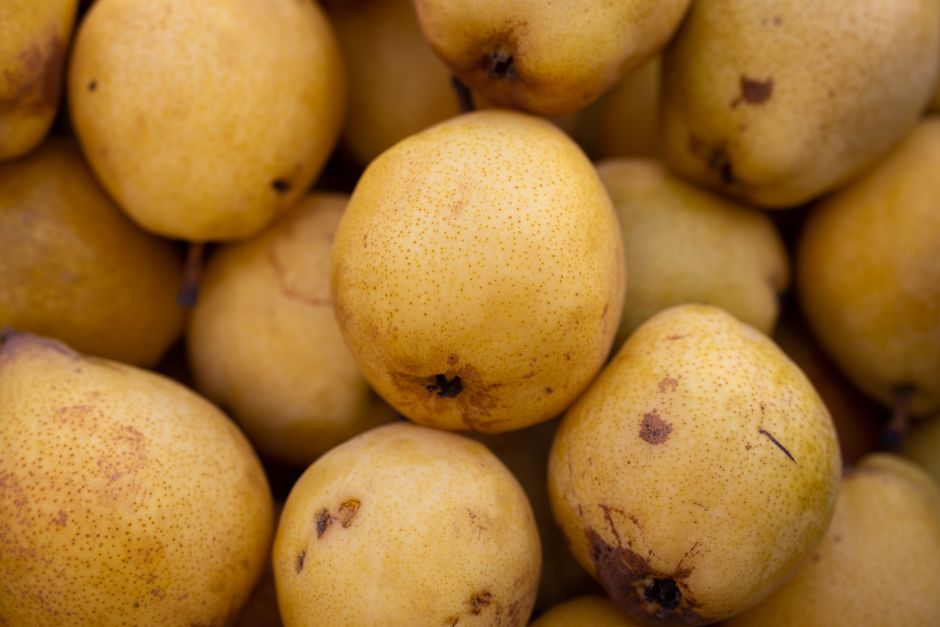
Yes, pear skin is safe to eat and provides extra fiber, vitamins, and antioxidants compared to eating the peeled fruit alone. The skin contains a significant portion of the fruit’s total fiber and many of its beneficial plant compounds. For most people, eating a whole pear with the skin is the healthier choice, provided you wash it thoroughly first.
What Nutrients Are in Pear Skin?
Pears are a good source of dietary fiber, and a large share of that fiber lives in the skin. When you peel a pear, you remove a meaningful portion of the fiber content, along with some vitamins and antioxidants.
The skin contains plant compounds called phytonutrients, including flavonoids and phenolic acids. These compounds act as antioxidants in the body. Antioxidants help protect cells from damage caused by unstable molecules called free radicals. While the flesh of the pear has nutritional value, the skin is more concentrated in these protective compounds.
One pear with skin provides about 5 to 6 grams of fiber, depending on size. That is roughly 20 percent of the daily fiber recommendation for adults. Peeled pears contain less fiber, usually around 2 to 3 grams per fruit. The difference matters for people trying to meet daily fiber goals.
Is Pear Skin Good For You Benefits And Safety
Eating pear skin is generally safe and beneficial for healthy adults. The skin adds texture and a slightly more bitter flavor compared to the sweet flesh. Most commercial pears are safe to eat unpeeled, but washing is essential.
Pears are often treated with pesticides during growing. Washing the fruit under running water removes some surface residues, but it cannot remove everything. The United States Department of Agriculture recommends washing all produce under running water before eating, even if you plan to peel it. This reduces dirt, bacteria, and pesticide residue.
For people with digestive conditions like irritable bowel syndrome, the skin may cause issues. The fiber in pear skin is mostly insoluble fiber. Insoluble fiber adds bulk to stool and helps food move through the digestive tract. For most people this is beneficial. For someone with a sensitive gut, it can trigger bloating or discomfort.
Does Pear Skin Have More Fiber Than the Flesh?
Yes. The skin is where much of the pear’s fiber is concentrated. The flesh does contain fiber too, but the skin has a higher fiber density per gram.
Fiber supports digestive health in several ways. Soluble fiber, found in the flesh, dissolves in water and can help manage blood sugar and cholesterol levels. Insoluble fiber, found mostly in the skin, adds bulk and prevents constipation. Eating the whole pear gives you both types.
The fiber in pears also feeds beneficial gut bacteria. When gut bacteria ferment fiber, they produce short-chain fatty acids. These compounds support colon health and may reduce inflammation. Research on dietary fiber consistently links higher intake to lower risk of heart disease, type 2 diabetes, and certain digestive conditions.





Are There Any Risks to Eating Pear Skin?
For the general population, the risks are minimal. The main concerns are pesticide residue, food safety, and individual digestive sensitivity.
Pesticide residue is a valid concern, but the level of risk depends on where the pears were grown and how they were handled. The Environmental Working Group has listed pears among produce items with higher pesticide residues in some years. However, regulatory agencies in the United States set legal limits for pesticide residues that are considered safe for consumption. Washing pears under running water before eating is the most practical way to reduce surface residue.
People with oral allergy syndrome may react to raw pear skin. This condition causes itching or tingling in the mouth after eating certain raw fruits. The reaction happens because proteins in the fruit resemble pollen proteins. Cooking the pear usually destroys these proteins and eliminates the reaction. If you experience mouth itching after eating raw pears, peeling them may help because some of the irritating proteins are concentrated in the skin.
Pears are also a common trigger for people with fructose malabsorption. Pears contain sorbitol, a sugar alcohol that some people cannot absorb well. Sorbitol is present throughout the fruit, not just the skin. People with this condition may experience bloating, gas, or diarrhea after eating pears regardless of peeling.
How Should You Prepare Pears With Skin?
Washing is the most important step. Hold the pear under cool running water and rub the surface with your hands. This removes visible dirt and some surface microbes. Do not use soap or detergent on produce, as these can leave residues that are not meant for consumption.
Drying the pear with a clean towel after washing removes additional microbes. This is a small but practical step that improves food safety.
Organic pears still need washing. Organic farming uses approved pesticides, and the fruit can still carry soil and bacteria from the field. Washing is about more than pesticides; it is about removing anything that came in contact with the fruit during growing, harvesting, and transport.
If you prefer to peel pears for texture reasons, you lose some nutritional value but the fruit remains a healthy choice. Peeled pears still provide vitamins, water, and some fiber. The decision to peel or not peel is a preference issue, not a safety issue, for most people.
What Is the Difference Between Pear Skin and Apple Skin?
Both pear and apple skins are edible and nutritious, but they differ in texture and nutrient profile. Apple skin is firmer and contains more of a compound called quercetin, a flavonoid with antioxidant properties. Pear skin is thinner and more delicate.
Both fruits belong to the same botanical family, Rosaceae. Their skins contain similar types of fiber and phenolic compounds. Neither skin is meaningfully better than the other from a nutritional standpoint. The best choice is the fruit you enjoy eating.
One practical difference is how the fruits are waxed. Some apples are coated with a thin layer of food-grade wax to preserve moisture during storage. Pears are less commonly waxed. If you see wax on any fruit, washing under running water does not remove it. The wax used on produce is safe to eat.
Should You Eat Pear Skin for Weight Management?
Eating the skin adds fiber without adding significant calories. Fiber increases the feeling of fullness after a meal, which can help with portion control. The skin also requires more chewing, which slows down eating and gives your body more time to register fullness.
A medium pear with skin has about 100 calories. The same pear peeled has slightly fewer calories but less fiber and fewer antioxidants. For weight management, the fiber in the skin is a genuine advantage. Foods that provide satiety per calorie are generally helpful for maintaining a healthy weight.
No specific food causes weight loss on its own. Pears with skin are a reasonable part of a balanced diet, but no single fruit changes body weight. The overall pattern of eating matters more than any individual food.
Can Pear Skin Interact With Medications?
Pear skin does not have known significant interactions with common medications. The fiber content can affect how your body absorbs some medications, but this is true of any high-fiber food. If you take medication, taking it at a consistent time relative to meals is generally sufficient.
People taking blood thinners should know that pears are low in vitamin K compared to some other fruits and vegetables. This makes pears a reasonable choice for people on warfarin, but any dietary change should be discussed with a healthcare provider.
If you have a medical condition that requires a low-fiber diet, such as a recent bowel surgery or an active flare of inflammatory bowel disease, check with your doctor before eating pear skin. A low-fiber diet is a medical treatment, not a general dietary recommendation.
Frequently Asked Questions
Is it safe to eat pear skin every day?
Yes, eating pear skin daily is safe for most healthy adults. Wash the pear thoroughly under running water before eating to reduce pesticide residue and surface bacteria.
Does pear skin contain more nutrients than the flesh?
The skin is more concentrated in fiber and antioxidant compounds than the flesh. The flesh provides water, natural sugars, and some vitamins, so eating the whole fruit gives you the most complete nutrition.
Can pear skin cause digestive problems?
Some people with sensitive digestion may experience bloating or discomfort from the insoluble fiber in pear skin. If you notice symptoms after eating unpeeled pears, try peeling them or eating smaller portions.
Should I peel pears for my child?
For young children, thinly sliced pear with skin is generally fine, but whole pear skin can be a choking hazard. Cut pears into small pieces appropriate for your child’s age and chewing ability.
