
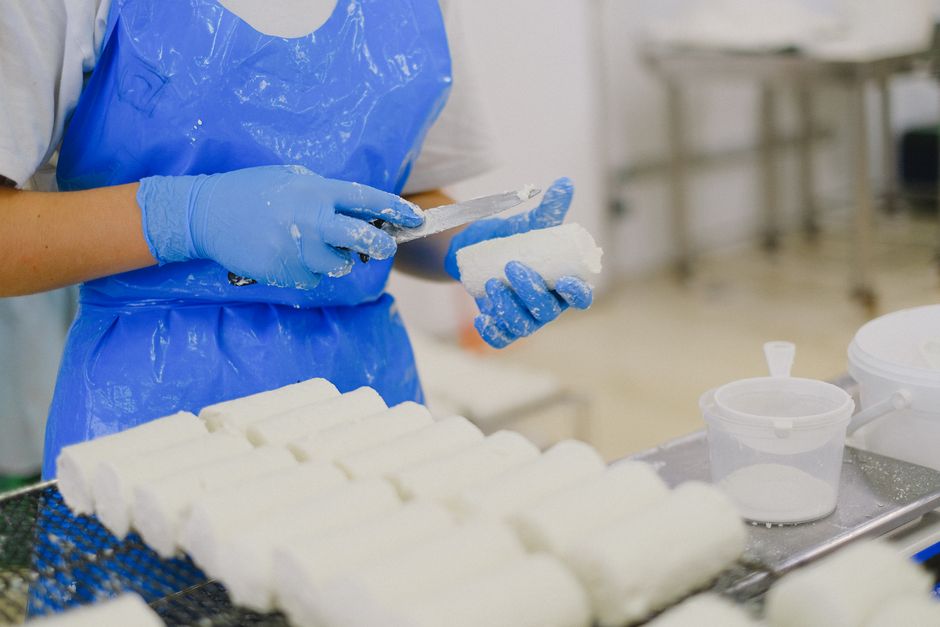
Cheese is a processed food, but not all cheese is processed the same way. The word “processed” covers everything from a block of aged cheddar to a slice of American cheese product. Understanding the difference matters for your health, your grocery budget, and your expectations about what you are actually eating.
What Does “Processed” Actually Mean for Cheese?
The term “processed food” is broad. By the strictest definition, any food that has been changed from its raw state is processed. Milk becomes cheese through culturing, coagulating, and aging. That makes even a wheel of artisanal Parmigiano-Reggiano a processed food by that definition.
But when people ask if cheese is processed, they usually mean something more specific. They mean the shelf-stable, individually wrapped slices or the cheese sauce that pours smoothly from a jar. These are processed in a different way than traditional cheese.
Traditional cheese is made from milk, culture, rennet, and salt. That is it. The transformation happens through fermentation and aging. The result is a living product that continues to mature and must be refrigerated.
Processed cheese products start with real cheese but then add emulsifiers, preservatives, colorings, and extra dairy ingredients. The goal is consistency. Every slice melts the same way, tastes the same way, and has the same texture, whether you buy it in January or July.
Is Cheese A Processed Food Not All Cheese Is Equal: The Key Differences
The difference is not about good versus bad. It is about what you are actually getting.
Natural cheese is made from milk, cultures, enzymes, and salt. The FDA has standards of identity that define what can legally be called specific cheeses. Cheddar must meet certain moisture and fat content requirements. Parmesan has its own standards.
Processed cheese products often contain less actual cheese than you might think. They are made by blending natural cheese with other ingredients. These can include milk protein concentrate, whey, emulsifying salts like sodium phosphate, and artificial colors or flavors.
The label tells the story. If the package says “pasteurized process cheese food,” it contains less cheese and more additives than “pasteurized process cheese.” The term “cheese product” means it does not meet the legal definition of cheese at all.
Nutritionally, the differences are real but not dramatic. A slice of processed American cheese and a slice of natural cheddar have similar calories and protein. The processed version typically has more sodium and fewer beneficial compounds like vitamin K2, which is found in aged cheeses.
How Ultra-Processed Cheese Products Differ From Natural Cheese
Ultra-processed foods are a separate category. These are industrial formulations that go far beyond simple processing. They typically contain ingredients you would not find in a home kitchen, like modified starches, hydrogenated oils, or artificial sweeteners.
Most natural cheese is not ultra-processed. It contains recognizable ingredients and undergoes fermentation, which is one of the oldest food preservation methods in human history.
However, many cheese-flavored snacks, cheese sauces, and cheese spreads fall squarely into the ultra-processed category. They may contain very little actual cheese. The cheese flavor often comes from flavoring agents and cultured dairy powders rather than from cheese itself.
Research on ultra-processed foods has linked high consumption to various health concerns. Some studies suggest a connection to weight gain, cardiovascular issues, and other chronic conditions. The evidence is observational, meaning it shows associations rather than proof of cause and effect. But the pattern is consistent enough that public health organizations have started advising people to limit ultra-processed food intake.
This does not mean you need to eliminate processed cheese entirely. It means understanding that a cheese sauce packet and a block of aged gouda are different foods with different nutritional profiles.




Understanding Cheese Labels: What Food Marketers Do Not Tell You
Cheese labeling is regulated, but the regulations allow for confusing terminology. Here is what the terms actually mean:
- Pasteurized process cheese — Contains at least 51% cheese by weight. Emulsifiers and preservatives are allowed.
- Pasteurized process cheese food — Contains at least 51% cheese but has more moisture and lower fat content. Additional dairy ingredients like whey or milk solids are added.
- Pasteurized process cheese spread — Similar to cheese food but spreadable at room temperature. Even higher moisture content.
- Cheese product — Does not meet the standard of identity for cheese. May contain very little actual cheese.
- Imitation cheese — Contains less than 51% cheese. Often uses vegetable oil instead of milk fat.
These categories exist because the FDA established standards of identity for cheese decades ago. Manufacturers who wanted to make cheaper, more stable products had to create new categories that did not meet the definition of cheese.
Reading the ingredient list is more reliable than reading the front of the package. If you see “cheese culture” and “rennet” listed first, you are looking at a product close to natural cheese. If you see a long list of stabilizers, emulsifiers, and colorings, you are looking at a heavily processed product.
Does Processing Destroy the Health Benefits of Cheese?
Cheese contains protein, calcium, phosphorus, and B vitamins. It also contains conjugated linoleic acid and other fatty compounds that some research links to health benefits. The fermentation process creates probiotics in some cheeses, though most commercial cheeses have limited live cultures by the time they reach your refrigerator.
Processing does not destroy the basic nutrients. Protein and calcium remain present in processed cheese products. But the processing does change the overall nutritional picture.
Processed cheese products generally have more sodium than natural cheese. A single slice of American cheese can contain around 300 milligrams of sodium. The same amount of natural cheddar has roughly half that. For people watching blood pressure, this difference adds up.
Some research indicates that the emulsifying salts used in processed cheese may affect how the body absorbs certain nutrients. The evidence is limited and not definitive. What is clear is that processed cheese products provide fewer of the beneficial compounds found in aged natural cheese.
Aged cheeses like cheddar, parmesan, and gouda contain higher levels of compounds formed during the aging process. Some of these, like certain peptides, have been studied for potential blood pressure-lowering effects. The evidence is preliminary, but it points to a real difference between aged cheese and processed cheese products.
How to Choose Cheese Wisely at the Grocery Store
You do not need to give up cheese to eat well. You need to make informed choices.
For everyday eating, choose natural cheese that lists milk, culture, rennet, and salt as the main ingredients. These cheeses are minimally processed and provide the most nutritional value. They cost more than processed cheese products, but a little goes a long way because the flavor is more intense.
Keep processed cheese products for specific uses. They melt smoothly and consistently, which makes them useful for certain recipes. A grilled cheese sandwich made with processed American cheese has a different texture than one made with aged cheddar. Both are fine. They are just different.
Read the nutrition label. Compare sodium content between brands. Some natural cheeses are saltier than others. Feta and halloumi are notably high in sodium, while fresh mozzarella and ricotta are lower.
Consider the serving size. Cheese is calorie-dense. A serving of cheese is typically about 1.5 ounces for natural cheese and around 1 ounce for processed cheese slices. It is easy to eat several servings without noticing.
Frequently Asked Questions
Is all cheese processed food?
Yes, by the technical definition, all cheese is processed because it is transformed from milk. But natural cheese is minimally processed, while processed cheese products contain added emulsifiers and preservatives.
Is cheese considered an ultra-processed food?
Most natural cheese is not ultra-processed. However, cheese sauces, cheese spreads, and cheese-flavored snacks often are, because they contain ingredients like modified starches and artificial flavors.
Which cheese is the least processed?
Fresh cheeses like mozzarella, ricotta, and cottage cheese undergo minimal processing. Aged cheeses like cheddar and parmesan contain only milk, culture, rennet, and salt, making them minimally processed as well.
Is processed cheese bad for you?
Processed cheese is not toxic, but it generally contains more sodium and fewer beneficial compounds than natural cheese. Eating it occasionally is fine, but natural cheese is the better choice for regular consumption.
