
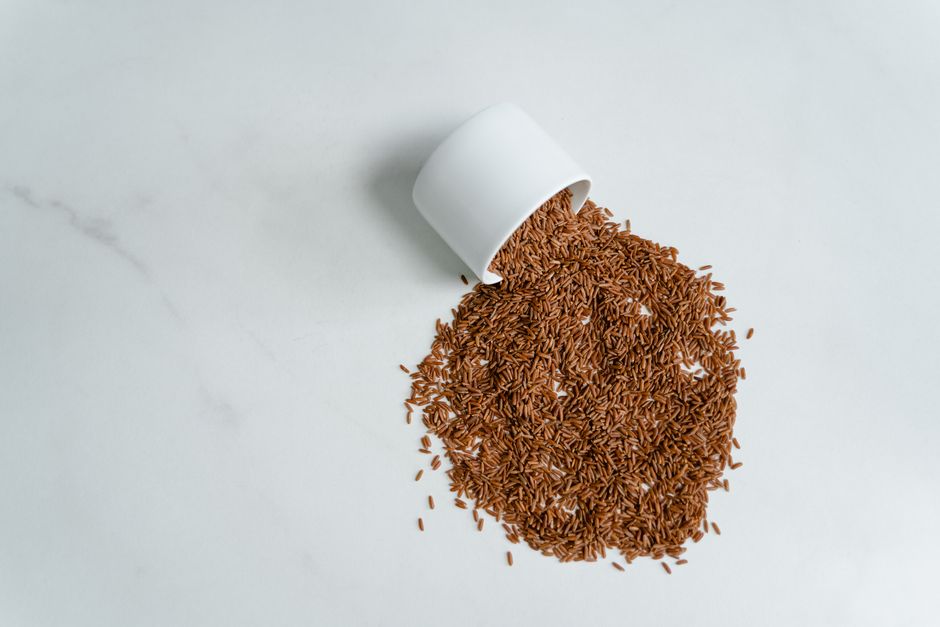
If you are choosing between brown rice and white rice for weight loss, the short answer is that brown rice has an edge — but a modest one. Both types have similar calories, so the real difference comes down to fiber, how full you feel, and how much you eat at a meal. Neither rice will cause weight gain on its own, and neither will melt fat off your body.
The bigger factor is what you eat alongside the rice and how large your portion is. Swapping white for brown can help some people eat less overall because brown rice contains more fiber and takes longer to chew. That said, the gap between them is smaller than most headlines suggest.
Brown Rice vs White Rice: What Is the Actual Difference?
Brown rice is a whole grain. The bran and germ layers are left intact, which is where most of the fiber, vitamins, and minerals sit. White rice has had those layers milled away, leaving mostly the starchy endosperm.
That single processing step changes the nutrition profile more than it changes the calorie count. A cup of cooked brown rice and a cup of cooked white rice differ by only a small amount of calories. The fiber difference is where things get interesting — brown rice has meaningfully more dietary fiber per cup.
Fiber matters for weight loss because it slows digestion, affects blood sugar response, and contributes to satiety. White rice digests quickly and has a higher glycemic index, meaning it raises blood sugar faster. Brown rice has a lower glycemic index because the bran layer slows the release of glucose.
None of this makes white rice “bad.” It is a source of easily digested carbohydrate that many people tolerate well. But if you are trying to manage hunger and blood sugar while eating fewer calories, brown rice has a physiological advantage.
Which One Is Better for Weight Loss?
Brown rice is the better choice for most people trying to lose weight, based on its fiber content and effect on fullness. The advantage is real but not dramatic.
Here is the honest picture. Weight loss comes down to eating fewer calories than you burn over time. Rice choice is a small lever. If you eat the same portion of brown rice instead of white, you might feel slightly fuller and eat a bit less at your next meal. That small effect, repeated over weeks, can add up.
But if you eat a large portion of brown rice, you are still eating a large amount of calories. Brown rice is not a free food. It is a carbohydrate-dense grain, and portion size matters just as much as the type.
Some research suggests that people who eat more whole grains, including brown rice, tend to have lower body weight over time. This is observational data, which means it shows a pattern but cannot prove that brown rice caused the difference. People who eat whole grains may also make other healthy choices.
The practical takeaway: choose brown rice if you like it and it helps you feel satisfied. Choose white rice if you prefer it, but watch your portion and pair it with protein and vegetables to slow digestion.
Does the Fiber in Brown Rice Really Help You Eat Less?
Fiber is one of the most reliable tools for managing appetite, and brown rice delivers more of it than white rice. This is one of the clearer findings in nutrition research.
Fiber adds bulk to food without adding many calories. It slows the rate at which your stomach empties, which keeps you feeling full longer. It also affects hormones that signal fullness to your brain.
Brown rice has roughly several grams of fiber per cooked cup, while white rice has less than one gram. That difference is not huge on its own, but it contributes to your daily total. Most adults fall short of recommended fiber intake, so every source helps.
There is a non-obvious point here. The texture of brown rice matters too. It takes longer to chew, which gives your body more time to register fullness. Eating slowly is linked to eating less, and chewier foods naturally slow you down. This is a small effect, but it is real.
If you want to boost fiber further, you can add vegetables, beans, or lentils to either type of rice. That will do more for your fullness than the rice choice alone.





How Do Brown and White Rice Compare Nutritionally?
The table below shows approximate values for one cup of cooked rice. Exact numbers vary by variety and cooking method.
| Nutrient | Brown Rice (1 cup cooked) | White Rice (1 cup cooked) |
|---|---|---|
| Calories | About 215 | About 205 |
| Carbohydrates | About 45 g | About 45 g |
| Fiber | About 3.5 g | About 0.6 g |
| Protein | About 5 g | About 4 g |
| Glycemic Index | Lower | Higher |
The calorie difference is small enough to be irrelevant in practice. The fiber difference is where brown rice pulls ahead. White rice is often enriched with added vitamins and iron to replace what milling removes, so it is not nutritionally empty — it just lacks the fiber and some naturally occurring compounds found in the bran.
Does White Rice Cause Weight Gain?
White rice does not cause weight gain by itself. Eating more calories than you burn causes weight gain, regardless of the source.
That said, white rice has a higher glycemic index, which means it raises blood sugar more quickly. For some people, especially those with insulin resistance or type 2 diabetes, this rapid spike and subsequent drop can trigger hunger sooner. That can lead to eating more later.
This does not mean white rice is off-limits. It means context matters. If you eat white rice with protein, fat, and vegetables, the overall meal digests more slowly and the blood sugar response is blunted. A plain bowl of white rice eaten alone will affect you differently than the same rice eaten with chicken and broccoli.
Cultural diets that center on white rice, such as traditional Japanese or Southeast Asian eating patterns, are often associated with lower rates of obesity. This is likely because portions are moderate and the overall diet is balanced, not because white rice is protective.
What Matters More Than the Type of Rice?
Portion size, what you eat with the rice, and your overall calorie intake matter more than whether the rice is brown or white. This is not a dodge — it is the honest hierarchy of what drives weight loss.
- Portion size: A cup of rice is a standard serving. Many restaurant portions are two to three times that.
- Protein and vegetables: Adding these slows digestion and increases fullness, regardless of rice type.
- Total daily calories: This is the bottom line for weight loss.
- Consistency: A slightly better choice made most days beats a perfect choice made rarely.
If you genuinely prefer white rice, eat it. Pair it with protein and vegetables, keep the portion reasonable, and focus on your overall eating pattern. If you like brown rice or do not mind it, the extra fiber is a small bonus.
Some people find brown rice harder to digest or simply do not enjoy it. Forcing yourself to eat a food you dislike is not a sustainable strategy. The best rice for weight loss is the one that fits into a balanced diet you can stick with.
Can You Eat Rice and Still Lose Weight?
Yes. Rice is a staple food for billions of people, and many of them maintain healthy body weights. The idea that rice must be avoided for weight loss is not supported by evidence.
Rice is a source of carbohydrate, which is your body’s preferred fuel for many activities. Cutting it out entirely is not necessary for weight loss and may not be sustainable for most people.
The key is fitting rice into your calorie budget. If you are eating fewer calories overall, rice can be part of that. If you are eating rice on top of an already high-calorie diet, switching to brown rice will not fix the problem.
For people with diabetes or prediabetes, the type of rice may matter more. Brown rice’s lower glycemic impact can help with blood sugar control. But even here, portion size and what you eat with the rice play a large role. Anyone managing blood sugar should follow guidance from their healthcare provider rather than relying on rice choice alone.
Frequently Asked Questions
Is brown rice or white rice better for weight loss?
Brown rice is generally the better choice because it has more fiber, which can help you feel fuller and eat less. The advantage is modest, and portion size matters more than rice type.
Does white rice make you gain weight?
White rice does not cause weight gain on its own. Eating more calories than you burn causes weight gain, and white rice is simply one source of calories among many.
How many calories are in a cup of cooked brown rice?
A cup of cooked brown rice has about 215 calories. A cup of cooked white rice has about 205 calories, so the difference is small.
Can I eat rice every day and still lose weight?
Yes, if the rice fits within your daily calorie needs and you pair it with protein and vegetables. Daily rice is fine as long as your overall diet supports a calorie deficit.
