
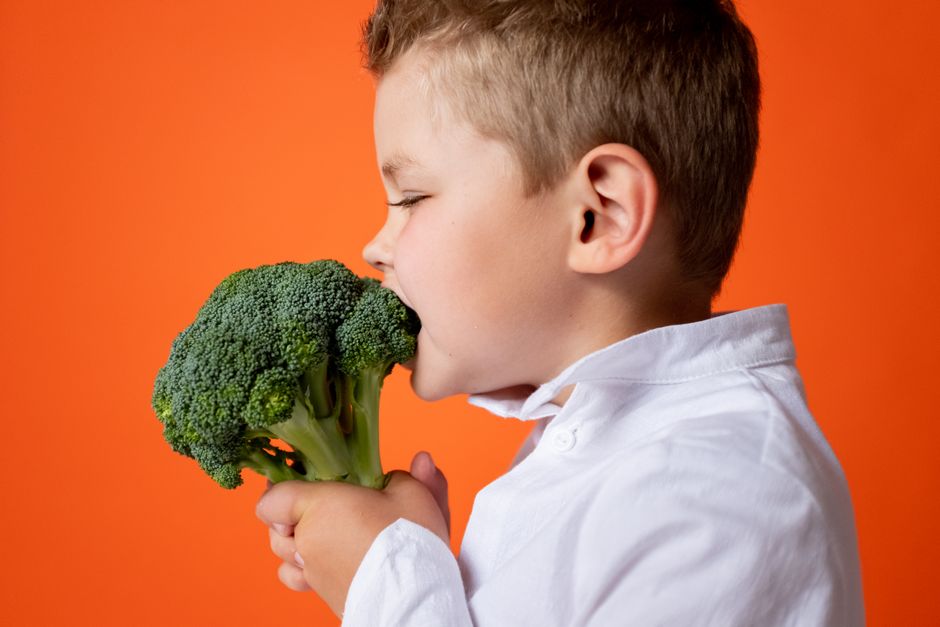
Broccoli is a common trigger for people with Irritable Bowel Syndrome, but that does not mean you have to avoid it forever. The truth is that broccoli is good for IBS for many people, especially when it is cooked well and eaten in small portions. The key is understanding how this vegetable affects your gut and learning the safest ways to prepare it. This guide explains exactly how broccoli interacts with IBS and gives you practical steps to eat it without triggering symptoms.
Why Does Broccoli Cause IBS Symptoms?
Broccoli contains a type of carbohydrate called fructans. Fructans are part of a group known as FODMAPs, which are short-chain carbohydrates that some people cannot digest properly. When these carbohydrates reach the large intestine undigested, the bacteria there ferment them. That fermentation produces gas, which can cause bloating, cramping, and changes in bowel habits.
If you have IBS, your gut is often more sensitive to stretching and gas than a typical gut. So even a normal amount of gas from broccoli can feel painful. This is why broccoli gets a reputation as a trigger food. But the reaction is not the same for everyone, and it is not the same for every part of the plant.
The florets of broccoli contain higher levels of fructans than the stalks. The stalks are lower in FODMAPs and are often better tolerated. This is an important detail because it means you do not have to give up broccoli completely — you can choose the parts that are easier on your system.
Is Broccoli Good For IBS? What The Evidence Shows
Research on the low FODMAP diet consistently identifies broccoli florets as a moderate source of fructans. The Monash University FODMAP team, which pioneered the low FODMAP approach, classifies broccoli florets as moderate in FODMAPs. The stalks are classified as low. This means portion size matters greatly.
Most people with IBS can tolerate about half a cup of broccoli florets, or roughly 75 grams. This is considered a low FODMAP serving. Eating more than that increases the fructan load and raises the chance of symptoms. Some people can handle a full cup, while others react to even small amounts. Your personal tolerance is the only real guide.
Broccoli also contains fiber, which is a double-edged sword for IBS. Soluble fiber, found in the stalks, can help regulate bowel movements. Insoluble fiber, found in the florets and leaves, can speed up transit time and worsen diarrhea in some people. Cooking broccoli breaks down some of the fiber, making it gentler on the gut than eating it raw.
So the direct answer is yes — broccoli can be good for IBS when you eat the right parts, in the right amount, and cooked properly. For many people, it provides valuable nutrients and fiber without problems. For others, even small amounts cause discomfort. There is no single answer that fits everyone.
How To Cook Broccoli To Reduce IBS Symptoms
Cooking method changes how well broccoli is tolerated. Raw broccoli is the hardest on the gut because the fiber is intact and the fructans are fully present. Steaming, boiling, or roasting softens the fiber and can reduce the FODMAP content slightly, though it does not eliminate it.
The most reliable way to reduce symptoms is to cook broccoli until it is very soft. Think fork-tender or softer. Overcooking is actually helpful here, which is unusual for vegetable preparation. The longer you cook it, the more the cell walls break down, and the easier it is for your digestive system to handle.
Here are the best cooking methods for IBS-sensitive people:
- Steaming for 8-10 minutes until fully tender
- Boiling for 5-7 minutes, which leaches some FODMAPs into the water
- Roasting at 400°F for 20-25 minutes until edges are browned and the stalk is soft
- Sautéing with a little oil over medium heat until completely soft
Do not drink the cooking water if you boil broccoli. Some of the fructans dissolve into the water, and consuming that water can bring back the symptoms you are trying to avoid. Drain it well before serving.
Adding a small amount of fat, like olive oil or butter, can slow digestion slightly and may help some people. But do not add garlic or onion, which are very high in FODMAPs and will likely trigger symptoms even if the broccoli itself is fine.




How Much Broccoli Can You Eat With IBS?
Start with a small portion. A quarter cup of cooked florets is a reasonable first test. If you tolerate that without symptoms, try half a cup next time. Wait at least 24 hours between tests so you can clearly tell whether broccoli is the cause of any symptoms.
Keep a food diary during this testing period. Write down what you ate, how much, how it was cooked, and any symptoms that followed. This gives you concrete data instead of guesswork. Many people find they can eat broccoli stalks freely but need to limit florets.
Here is a simple portion guide based on the low FODMAP framework:
| Broccoli Part | Low FODMAP Serving | Moderate FODMAP Serving |
|---|---|---|
| Florets | Half cup (75g) cooked | Full cup or more |
| Stalks | Full cup (150g) cooked | More than a cup |
| Raw florets | Quarter cup | Half cup or more |
These amounts are based on the Monash University low FODMAP serving guidelines. Your own tolerance may differ. If you react to even small amounts, it may be worth avoiding broccoli entirely for a few weeks and reintroducing it later. Gut sensitivity can change over time, and many people find they tolerate foods better after a period of digestive rest.
What About Broccoli Sprouts and Broccolini?
Broccoli sprouts are different from mature broccoli. They are much lower in FODMAPs because they have not fully developed the carbohydrate structures that cause fermentation. Many people with IBS tolerate broccoli sprouts well, even in raw form.
Broccoli sprouts are also a concentrated source of sulforaphane, a compound studied for its anti-inflammatory properties. Some research published in the Journal of Functional Foods suggests sulforaphane may influence gut bacteria in beneficial ways, but human studies on IBS specifically are limited. The evidence is promising but not conclusive.
Broccolini, which is a hybrid of broccoli and Chinese kale, has a similar FODMAP profile to regular broccoli. Treat it the same way — cook it well and watch your portion size. Do not assume it is automatically easier on the gut just because it is a different variety.
If you enjoy the taste of broccoli but struggle with the florets, try using only the stalks in soups or stir-fries. Peel the outer layer of the stalk if it feels tough. The inner part is tender and much lower in FODMAPs. This is a practical way to keep broccoli in your diet without the symptoms.
Other IBS-Friendly Vegetables To Consider
If broccoli consistently triggers your symptoms, you have plenty of alternatives. These vegetables are low in FODMAPs and generally well tolerated:
- Carrots — low FODMAP, high in soluble fiber
- Zucchini — low FODMAP, gentle on the gut
- Green beans — low FODMAP in standard servings
- Spinach — low FODMAP, easy to digest when cooked
- Bell peppers — low FODMAP, good source of vitamin C
These vegetables provide similar nutrients to broccoli without the fructan load. If you miss the cruciferous vegetable family, try cabbage in small amounts — it is lower in FODMAPs than broccoli for some people, though not everyone tolerates it.
Rotating your vegetables is a good strategy. Eating the same vegetables every day can make your gut bacteria less diverse, which may worsen IBS over time. Aim for variety within your safe list rather than sticking to one or two options.
When To See A Doctor About Broccoli And IBS
If you have severe symptoms after eating broccoli, or if you cannot eat any vegetables without pain, talk to a doctor. This is especially important if you have unintentional weight loss, blood in your stool, or symptoms that wake you from sleep. These can be signs of a condition other than IBS.
A gastroenterologist can help you identify your specific triggers. They may recommend a formal low FODMAP elimination diet, which involves removing all high-FODMAP foods for 2-6 weeks and then reintroducing them one at a time. This is the most reliable way to know exactly which foods you tolerate and in what amounts.
Working with a registered dietitian who specializes in IBS is also valuable. They can help you plan meals that meet your nutritional needs while avoiding your triggers. This is particularly important because restrictive diets can lead to nutrient deficiencies if not managed carefully.
Frequently Asked Questions
Can I eat broccoli every day with IBS?
No, eating broccoli daily is not recommended for most people with IBS. Daily consumption increases the cumulative FODMAP load and raises the chance of symptoms even if individual portions are small.
Is frozen broccoli better for IBS than fresh?
Frozen broccoli is not meaningfully different from fresh in terms of FODMAP content. The blanching process used before freezing may slightly soften the fiber, but it does not reduce fructans enough to change tolerance.
Does peeling broccoli stalks help with IBS?
Peeling the outer layer of broccoli stalks can help because the outer skin is tougher and higher in insoluble fiber. The inner flesh is softer and generally better tolerated, though the fructan content is similar throughout the stalk.
Can broccoli cause constipation in IBS?
Yes, broccoli can contribute to constipation in some people with IBS. The insoluble fiber in the florets can slow digestion in certain individuals, especially if they are prone to constipation-predominant IBS.
