
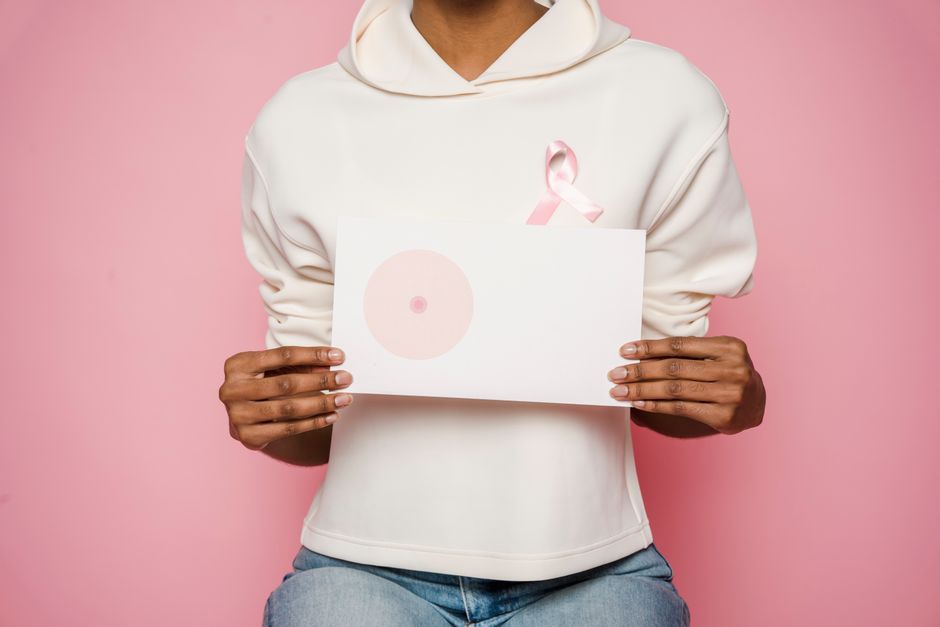
Yes, breast pain can be a sign of menopause. It is a common symptom that many women experience during perimenopause, the transition phase before periods stop completely. The pain is usually linked to changing hormone levels, especially drops in estrogen and progesterone. While it can be uncomfortable, it is rarely a sign of something serious.
Why Does Menopause Cause Breast Pain?
Hormones control breast tissue. Estrogen and progesterone make breast ducts and glands grow. When these hormones drop during perimenopause, breast tissue can change in ways that cause pain.
Think of it like this. Your breasts have been responding to a monthly cycle of hormones for decades. When that cycle starts to become irregular, the tissue reacts. Some women feel a dull ache. Others feel sharp, shooting pains. The pain can come and go or stay for weeks.
Research published in the journal Menopause found that breast pain is reported by over 50% of women during perimenopause. The pain is most common in women aged 45 to 54. That is exactly when hormone shifts are at their most dramatic.
One non-obvious fact is that breast pain during menopause often feels different from the pain younger women get before their period. Menopausal breast pain is more likely to be one-sided and described as burning or stabbing. Premenstrual breast pain is usually both sides and feels heavy or tender.
Is Breast Pain a Sign of Menopause or Something Else?
Breast pain is a sign of menopause, but it is not the only sign. Most women have other symptoms too. Hot flashes, night sweats, sleep problems, and mood changes often appear around the same time.
If you have breast pain but no other menopause symptoms, the pain might have a different cause. Common non-menopause causes include:
- Muscle strain from exercise or poor posture
- Caffeine sensitivity in some women
- An ill-fitting bra that does not support properly
- Costochondritis — inflammation of the rib cage cartilage
- Fibrocystic breast changes that are not related to hormones
The American College of Obstetricians and Gynecologists states that breast pain is rarely a symptom of breast cancer. Only about 1% of breast cancers cause pain as the first symptom. If you have pain without a lump or skin changes, the odds of it being cancer are very low.
Still, any new breast pain should be checked by a doctor. A clinical breast exam can rule out problems and give you peace of mind.
What Does Research on Breast Pain and Menopause Show?
Studies have found a clear link between hormone fluctuations and breast pain. A 2021 study in Obstetrics & Gynecology tracked women through perimenopause. The researchers found that breast pain was most common when estrogen levels were dropping rapidly, not when they were already low.
This explains why some women have breast pain for years before their periods stop completely. The pain tends to decrease after menopause once hormone levels stabilize at very low levels.
Another study from the University of Rochester looked at breast tissue density during menopause. They found that as hormone levels fall, breast tissue becomes less dense. This change itself can cause pain because the tissue is shrinking and being replaced by fat.
The evidence is consistent. Breast pain during menopause is a real, physical symptom caused by measurable hormone changes. It is not just in your head.
-
 Why Does Menopause Cause Hot Flashes? The Likely Causes
 -
How to Increase Sexual Desire After Menopause? What Really Works Best
-
How to Know You Are in Menopause? Tips That Actually Work
-
What is the Most Common Reason for Bleeding After Menopause?
-
What Happens to Fibroids After Menopause? The Real Answer



What Actually Helps Menopause Breast Pain?
There is no single cure, but many women find relief with simple changes. Here is what the evidence supports:
| Approach | What It Does | Evidence Level |
|---|---|---|
| Wearing a supportive bra | Reduces breast movement and strain | Strong — multiple studies |
| Evening primrose oil | May reduce inflammation | Moderate — some studies show benefit |
| Reducing caffeine | Lowers tissue sensitivity | Weak — mixed results |
| Vitamin E supplements | May reduce cyclic pain | Moderate — small studies |
| Ibuprofen or naproxen | Reduces inflammation | Strong — works for acute pain |
| Hormone therapy | Stabilizes hormone levels | Strong — but has risks to discuss with a doctor |
Evening primrose oil is widely claimed to help breast pain. Some studies suggest it works better than placebo. But the evidence is not strong enough to guarantee results. It is safe for most women, so trying it for a few months is reasonable.
Hormone therapy is the most effective treatment for menopause breast pain. It replaces the estrogen your body is losing. But the Women’s Health Initiative study showed that hormone therapy has risks, including a small increase in breast cancer and blood clots. That is why doctors only prescribe it for women with moderate to severe symptoms.
What to Avoid When You Have Menopause Breast Pain
Some popular remedies do not work well. Avoid believing everything you read online about quick fixes for breast pain.
Vitamin B6 is often recommended for breast pain. As of 2026, there is no clinical evidence that it works for menopause-related breast pain. The studies that showed benefit were small and poorly designed.
Dietary changes like cutting out all dairy or soy are widely claimed to help. Strong evidence is limited. Some women report feeling better after changing their diet, but no large study has confirmed this. If you want to try it, keep a diary to see if it actually helps you.
Chiropractic adjustments for breast pain are not supported by research. Breast pain comes from hormone changes in the tissue, not from spine alignment. Save your money.
One thing to avoid is ignoring the pain. If it lasts more than a few weeks or feels different from before, see your doctor. They can check for cysts, infections, or other treatable causes.
When Should You See a Doctor for Breast Pain?
Most menopause breast pain does not need medical treatment. But some situations do require a doctor’s visit.
See a doctor if:
- The pain is only in one breast and does not go away
- You feel a lump or thickened area in your breast
- Your skin changes — redness, dimpling, or puckering
- You have nipple discharge, especially if it is bloody
- The pain interferes with sleep or daily life
The American Cancer Society recommends that women over 40 get a mammogram every year. If you are due for one, schedule it. A mammogram can show breast tissue changes that a physical exam cannot feel.
If your doctor finds nothing wrong, you can feel confident that the pain is from menopause. It will likely improve on its own as your body adjusts to lower hormone levels.
For most women, menopause breast pain lasts 1 to 3 years. It peaks during perimenopause and fades after periods stop completely. Knowing that the pain has a timeline can make it easier to manage.
Frequently Asked Questions
Can breast pain be the only sign of menopause?
It can be, but it is rare. Most women have at least one other symptom like hot flashes or sleep changes.
How long does menopause breast pain last?
It usually lasts 1 to 3 years during perimenopause. It often stops within a year after your last period.
Does menopause breast pain feel different from regular breast pain?
Yes. Menopause breast pain is more often one-sided and described as burning or stabbing rather than heavy or tender.
Can hormone therapy stop menopause breast pain?
Yes, hormone therapy is very effective for breast pain. But it has risks that you should discuss with your doctor first.
