
Many women wonder if their sex drive will ever feel normal again after menopause. The short answer is yes — for most women, desire can return. But it often takes some changes in approach, expectations, and sometimes medical help. The idea that menopause automatically ends your sex life is not backed by evidence. Research shows that while hormonal shifts can lower desire temporarily, many women report satisfying sex lives well into their postmenopausal years. The key is understanding what actually changes in your body and what you can do about it.
What Actually Happens to Sex Drive During Menopause?
Estrogen and testosterone both drop during menopause. These hormones play a real role in sexual desire and response. Lower estrogen can make vaginal tissues thinner and drier, which can make sex uncomfortable. That discomfort alone can kill desire before it even starts.
Testosterone also declines with age. The Cleveland Clinic notes that testosterone contributes to sexual desire in women, though not as strongly as it does in men. Some women notice a clear drop in spontaneous desire — those random thoughts about sex that used to pop up. This does not mean desire is gone forever. It just means it may show up differently.
Progesterone also changes during menopause. Its effects on libido are less clear, but some women report feeling less moody or anxious when progesterone stabilizes. That can help indirectly. The bigger factor is often sleep. Hot flashes and night sweats disrupt sleep for many women. Poor sleep directly lowers libido.
Does Sex Drive Return After Menopause Naturally?
For many women, yes. Studies have found that sexual desire often improves once the most intense phase of menopausal transition passes. The body adapts to lower hormone levels over time. Many women report that their libido returns to a level that feels normal for them, even if it is different from their 30s.
The North American Menopause Society reports that about 20% of women experience a significant drop in desire that does not improve on its own. That means roughly 80% of women see some natural improvement. The timeline varies. Some women feel better within a year of their last period. Others take longer.
Relationship factors matter more than many people realize. A 2018 study in the journal Menopause found that emotional intimacy with a partner was a stronger predictor of sexual satisfaction than hormone levels. This is a non-obvious insight. Many women assume their libido problem is purely physical. Often it is not.
What Treatments Actually Help With Low Libido After Menopause?
Several treatments have solid evidence behind them. The first step for most women is addressing vaginal dryness. This is not the same as low desire, but it can cause desire to drop because sex hurts. Over-the-counter water-based lubricants work for mild dryness. For moderate to severe dryness, prescription vaginal estrogen cream, tablets, or rings are effective. The American College of Obstetricians and Gynecologists confirms these are safe for most women.
For women whose main issue is low desire itself, two prescription medications are FDA-approved. Flibanserin (Addyi) was approved in 2015 for premenopausal women with low sexual desire. Bremelanotide (Vyleesi) was approved in 2019 for premenopausal women. Neither is approved specifically for postmenopausal women, though some doctors prescribe them off-label.
Testosterone therapy is sometimes used off-label for postmenopausal women with low libido. The Endocrine Society suggests it can be effective at low doses, but they caution that long-term safety data is limited. Testosterone is not FDA-approved for women in the United States. Some compounding pharmacies sell it, but quality varies.
Non-hormonal options also exist. Cognitive behavioral therapy and mindfulness-based approaches have shown real benefits in clinical trials. A 2020 study in JAMA Network Open found that a mindfulness program improved sexual desire and distress in postmenopausal women just as much as hormone therapy did.
| Treatment | Evidence Level | FDA Approved for Menopause? |
|---|---|---|
| Vaginal estrogen (cream, tablet, ring) | Strong | Yes |
| Water-based lubricants | Strong | No (OTC, not a drug) |
| Flibanserin (Addyi) | Moderate | No (premenopausal only) |
| Bremelanotide (Vyleesi) | Moderate | No (premenopausal only) |
| Testosterone therapy | Moderate | No (off-label use) |
| Mindfulness therapy | Moderate to strong | Not applicable |
| Cognitive behavioral therapy | Moderate | Not applicable |





What Lifestyle Changes Support Libido After Menopause?
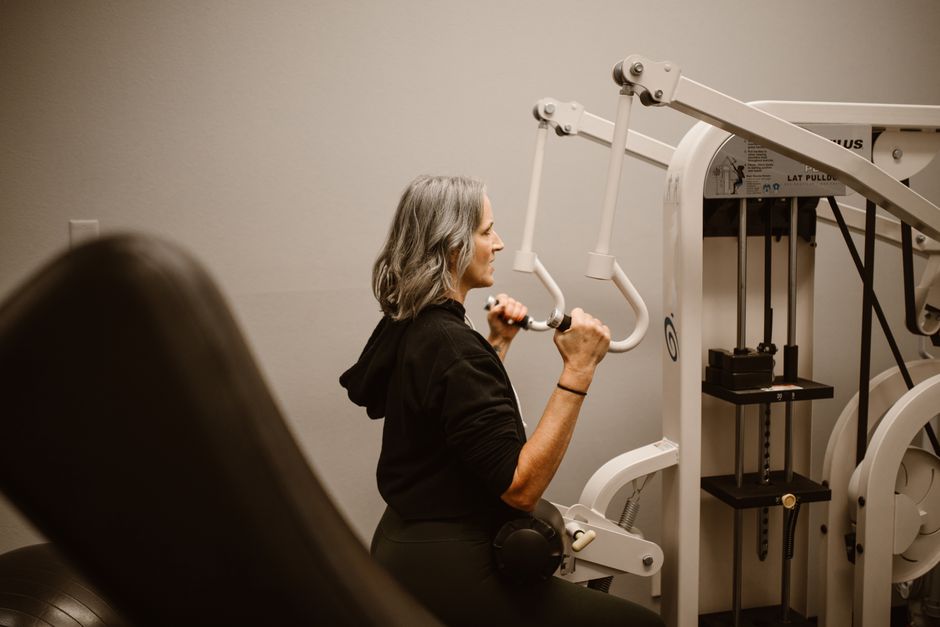
Exercise has a direct effect on sexual desire. Research published in the Journal of Sexual Medicine found that women who exercised regularly reported higher sexual desire and arousal. The effect was strongest with moderate aerobic exercise like brisk walking or cycling for at least 30 minutes most days. Strength training also helps by improving body image and energy levels.
Sleep is probably the most underrated factor. One study in the journal Sleep found that women who slept less than 7 hours per night reported significantly lower sexual desire. If hot flashes or night sweats keep you awake, talk to your doctor about options. Hormone therapy, cooling sheets, and avoiding alcohol before bed can all help.
Stress management matters. Cortisol, the stress hormone, directly suppresses testosterone and estrogen. Chronic stress keeps your body in a state that is not conducive to desire. Even 10 minutes of daily deep breathing or a short walk can lower cortisol levels enough to make a difference.
Diet plays a smaller role but is worth mentioning. Foods rich in omega-3 fatty acids like salmon and walnuts support hormone production. Zinc from oysters, beef, or pumpkin seeds is involved in testosterone synthesis. No single food will fix low libido, but a balanced diet supports overall hormonal health.
What Common Myths About Menopause and Sex Drive Are Wrong?
Myth one: Menopause always kills your sex drive. This is false. Many women maintain or even increase their desire after menopause. The pressure from societal messaging can actually cause more harm than the hormonal changes themselves.
Myth two: Hormone replacement therapy (HRT) will fix your libido. HRT helps with hot flashes, vaginal dryness, and sleep. Those improvements can indirectly help desire. But HRT does not directly boost libido in most women. Some women actually report lower desire on HRT because their progesterone dose is too high.
Myth three: Low libido after menopause is just something you have to accept. This is harmful. There are effective treatments and strategies. Women who seek help often see real improvement. The problem is that many women do not bring it up with their doctor because they think nothing can be done.
Myth four: Testosterone is the magic bullet. Some women do benefit from low-dose testosterone. But it is not a cure-all. Side effects like acne, hair growth, and voice changes can happen. And without proper monitoring, testosterone can raise cardiovascular risk. It should only be used under medical supervision.
When Should You Talk to a Doctor About Low Libido After Menopause?
If low desire is causing you distress, it is worth a conversation. The key word is distress. Some women have lower desire but are fine with it. That is normal. But if you feel frustrated, sad, or worried about your relationship because of low libido, you deserve help.
Start with your gynecologist or primary care doctor. They can check for other causes of low libido that are not related to menopause. Thyroid problems, depression, certain medications like antidepressants or blood pressure drugs, and relationship issues can all lower desire. A thorough evaluation is important before assuming menopause is the only cause.
Ask specifically about vaginal dryness. Many doctors do not ask about it unless you bring it up. Be direct. Say something like “Sex has become uncomfortable and I have lost interest. What can help?” That opens the door to discussing lubricants, vaginal estrogen, and other options.
If your doctor dismisses your concerns, find another doctor. Menopause specialists and sexual medicine specialists exist. The North American Menopause Society has a directory of certified practitioners. You do not have to accept a low quality of life.
What to Avoid When Trying to Improve Libido After Menopause
Avoid over-the-counter “libido boosters” that promise quick fixes. Most contain herbs like maca root or ginseng with little to no evidence behind them. The FDA does not regulate these products. Some contain undeclared ingredients that can be dangerous.
Avoid blaming yourself. Low libido after menopause is not a personal failure. It is a biological transition that many women navigate successfully. Guilt and shame only add to the stress that suppresses desire further.
Avoid comparing your sex drive to how it was in your 20s. That version of you had different hormones, less life stress, and often fewer responsibilities. Desire naturally changes with age. The goal is not to feel like you did at 25. The goal is to feel satisfied with your current sex life.
Avoid ignoring your partner’s role. Relationship dissatisfaction is one of the strongest predictors of low desire in women. If there are unresolved conflicts, lack of emotional intimacy, or mismatched expectations, no amount of hormones will fix that. Couples therapy or honest conversations can be more effective than any prescription.
Frequently Asked Questions
How long does it take for sex drive to return after menopause?
Most women see some natural improvement within one to two years after their last period. The timeline varies depending on sleep quality, relationship factors, and whether vaginal dryness is treated.
Can hormone therapy help bring back sex drive after menopause?
Hormone therapy helps with hot flashes and vaginal dryness but does not directly boost libido for most women. Any improvement in desire is usually indirect from better sleep and less discomfort.
What is the best treatment for low libido after menopause?
There is no single best treatment. Addressing vaginal dryness with lubricants or vaginal estrogen is the most common first step. Mindfulness therapy and exercise also have strong evidence behind them.
Is low sex drive after menopause permanent?
No, it is not permanent for most women. Research shows that desire often improves with time, lifestyle changes, or targeted treatments. Only a small percentage of women have persistent low desire that does not respond to treatment.
