
Yes, breast pain can be a symptom of menopause. It is most common during perimenopause, the transition years leading up to your final period. Hormone levels fluctuate widely during this time, and those shifts directly affect breast tissue.
Many women notice breast tenderness, soreness, or a heavy feeling that comes and goes. The pain is often linked to changing estrogen and progesterone levels rather than a steady decline. Understanding why this happens and when it is normal can help you manage the discomfort and know when to see a doctor.
Why Does Menopause Cause Breast Pain?
Breast tissue is highly sensitive to hormones. Throughout your menstrual cycle, estrogen and progesterone rise and fall, causing the milk ducts and glands to swell. This fluid retention stretches the tissue and can cause pain.
During perimenopause, these hormone levels do not decline smoothly. They spike and drop unpredictably. One month you may have very high estrogen, and the next month very low. These erratic swings can cause breast tissue to swell and become tender, even if you no longer have regular periods.
Once you reach menopause — defined as 12 months without a period — hormone levels settle at a low, steady state. For most women, breast pain decreases or stops at this point. But some women continue to experience discomfort, especially if they use hormone replacement therapy (HRT).
What Does Menopause-Related Breast Pain Feel Like?
The pain is usually felt in both breasts, though one side may be more tender. Women often describe it as:
- A dull, heavy ache
- Soreness or tenderness to touch
- A burning sensation
- Swelling or fullness
- Pain that radiates to the armpit or upper arm
The pain often comes and goes. It may be worse at certain times of the month, even if your periods have become irregular. Some women notice it more after caffeine, stress, or wearing a poorly fitted bra.
This type of pain is called cyclic breast pain because it follows a pattern. Non-cyclic pain, which is constant and unrelated to your cycle, is less common and may have a different cause.
Is Breast Pain a Symptom of Menopause or Something Else?
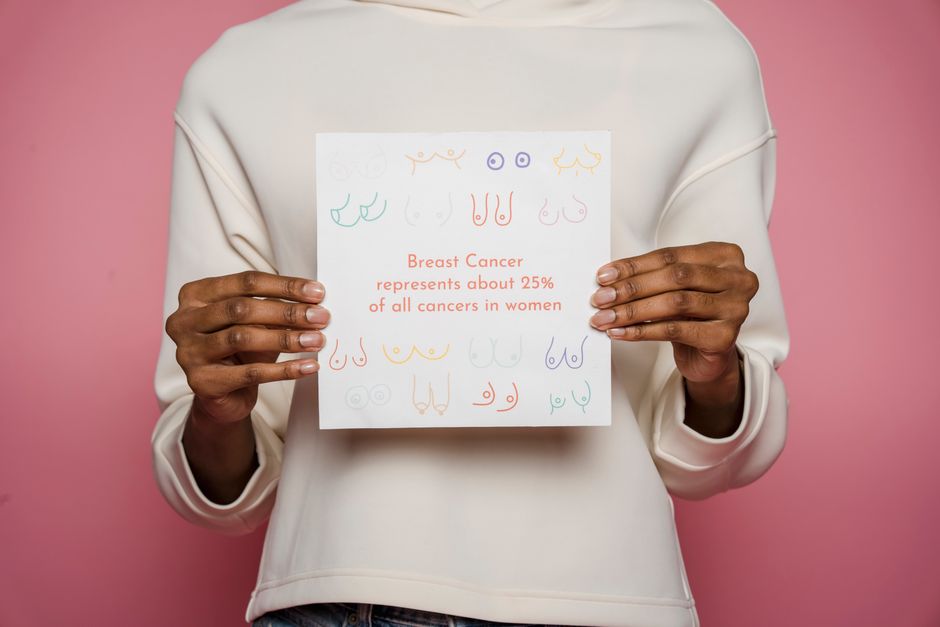
Breast pain is rarely a sign of breast cancer. Studies have consistently shown that most breast pain is linked to hormone changes, not malignancy. Cancer typically presents as a lump, skin changes, or nipple discharge — not pain alone.
However, breast pain can have other causes that are not related to menopause. These include:
- Musculoskeletal strain from the chest wall or ribs
- Costochondritis, which is inflammation of the cartilage connecting the ribs
- Shingles before the rash appears
- Certain medications, including some antidepressants and blood pressure drugs
- Large breast size, which can strain supporting ligaments
If your pain is sharp, localized to one spot, or worsened by pressing on the ribs, it may not be hormonal. Pain that feels like it is in the breast but is actually coming from the chest wall is common and often mistaken for breast pain.





How Long Does Menopause Breast Pain Last?
There is no fixed timeline. For some women, breast pain lasts a few months during perimenopause. For others, it comes and goes for several years. The duration depends on how long your hormone levels take to settle.
Perimenopause typically lasts 4 to 8 years. Breast pain can occur at any point during this window. Once your periods stop completely and hormones stabilize, most women find the pain resolves on its own.
If you are taking hormone replacement therapy, breast pain may continue. Estrogen in HRT can stimulate breast tissue, causing tenderness. This is often dose-related. If the pain is bothersome, talk to your doctor about adjusting the dose or changing the formulation.
What Can You Do to Ease Menopause Breast Pain?
Several lifestyle measures can reduce discomfort. None of these are guaranteed cures, but many women find them helpful.
Wear a well-fitting bra. A supportive bra, especially one with underwire or wide straps, reduces breast movement and strain. Consider wearing a soft sleep bra at night if tenderness disturbs your sleep.
Apply cold or warm compresses. Some women find ice packs reduce swelling. Others prefer a warm compress to relax tissue. Try both and see which feels better.
Reduce caffeine. The evidence is mixed, but some studies suggest caffeine may worsen breast pain in sensitive women. Cutting back for a few weeks is a reasonable trial.
Consider evening primrose oil. Some research suggests this supplement may help with cyclic breast pain, though results are inconsistent. No large clinical trials have confirmed its effectiveness. If you try it, give it at least 2 to 3 months. Check with your doctor first, especially if you take blood thinners.
Over-the-counter pain relievers. Nonsteroidal anti-inflammatory drugs like ibuprofen can help with acute pain. Use them as directed on the label. Topical diclofenac gel applied to the breast has also been studied and may help, but talk to your doctor before using it.
Vitamin E. Some small studies suggest vitamin E may reduce breast pain, but the evidence is not strong. A daily dose of 400 IU is commonly mentioned in clinical practice, but no official guideline recommends it for this purpose.
There is no strong evidence that reducing dietary fat helps breast pain, despite frequent claims online. Some studies show modest benefit, but the effect is small and not consistent.
When Should You See a Doctor About Breast Pain?
Most breast pain does not require medical attention. But certain signs warrant a clinical evaluation. See a doctor if you notice:
- A new lump that does not go away after your next period
- Nipple discharge, especially if it is bloody or spontaneous
- Skin changes such as dimpling, puckering, or redness
- Pain that is severe, constant, or worsening
- Pain in only one breast that feels different from your usual symptoms
- Swelling, warmth, or fever, which could indicate infection
Your doctor may order a mammogram or ultrasound to rule out other causes. This is especially important if the pain is one-sided, localized, or accompanied by other changes.
It is also worth noting that breast pain can be a side effect of certain medications. If you recently started a new drug and noticed breast tenderness, mention it to your doctor. Sometimes switching medications resolves the pain.
What About Hormone Replacement Therapy and Breast Pain?
Hormone replacement therapy is the most effective treatment for hot flashes and other menopause symptoms. But breast pain is a common side effect, especially in the first few months of use.
If you start HRT and develop breast tenderness, it often settles within 3 to 6 months as your body adjusts. If it does not, your doctor may adjust the dose or switch to a different estrogen formulation. Lower-dose vaginal estrogen, which is minimally absorbed into the bloodstream, rarely causes breast pain.
Women who take combined HRT (estrogen plus progestogen) may experience more breast pain than those on estrogen alone. This is because progestogen can cause breast tissue to retain fluid.
There is no reason to stop HRT solely because of breast pain. But you should report it to your doctor. Persistent pain may warrant imaging to confirm there is no underlying issue.
Can Breast Pain Be a Sign of Cancer?
It is the question almost every woman asks. The answer is reassuring, but it needs to be stated honestly.
Breast pain alone is rarely the presenting symptom of breast cancer. Most breast cancers are painless. When pain does occur, it is usually accompanied by a lump or other visible changes.
However, certain types of breast cancer, such as inflammatory breast cancer, can cause pain, swelling, and redness. These cases are rare but serious. If your breast is swollen, red, and warm, or if the skin looks like an orange peel, seek medical attention promptly.
The safest approach is to know your own breasts. If something feels different — even just pain — and it persists beyond a few weeks, get it checked. The vast majority of breast pain evaluations end with a benign diagnosis.
Does Breast Pain Get Better After Menopause?
For most women, yes. Once hormone levels reach a steady low state, the cyclical swelling and tenderness stop. Many women report that breast pain completely resolves within a year of their final period.
But this is not universal. Some women continue to have breast pain for years after menopause. This is more common in women who take HRT, have large breasts, or have fibrocystic breast changes.
Fibrocystic breast changes are non-cancerous lumps and thickening in breast tissue. They are hormone-sensitive and can cause pain even after menopause. These changes are common and do not increase cancer risk.
If you are well past menopause and still have breast pain, it is worth investigating. The cause may be musculoskeletal, medication-related, or related to an underlying breast condition. Persistent pain after menopause is less likely to be hormonal and more likely to have a specific cause that can be treated.
Frequently Asked Questions
Can breast pain start during menopause if I never had it before?
Yes. Hormone fluctuations during perimenopause can trigger breast pain even in women who never experienced it during their menstrual cycles. The erratic estrogen and progesterone levels are the trigger.
How long does breast pain last in menopause?
It varies widely. Some women have pain for a few months, while others experience it intermittently for years during perimenopause. Most women find it resolves once their periods stop completely.
Is breast pain a sign of cancer?
Breast pain alone is rarely a sign of cancer. Cancer typically presents with a lump, skin changes, or nipple discharge. However, persistent or unusual pain should always be evaluated by a doctor.
Does hormone replacement therapy cause breast pain?
Yes, breast pain is a common side effect of HRT, especially in the first few months. It often settles as your body adjusts. If it persists, your doctor can adjust the dose or formulation.
