
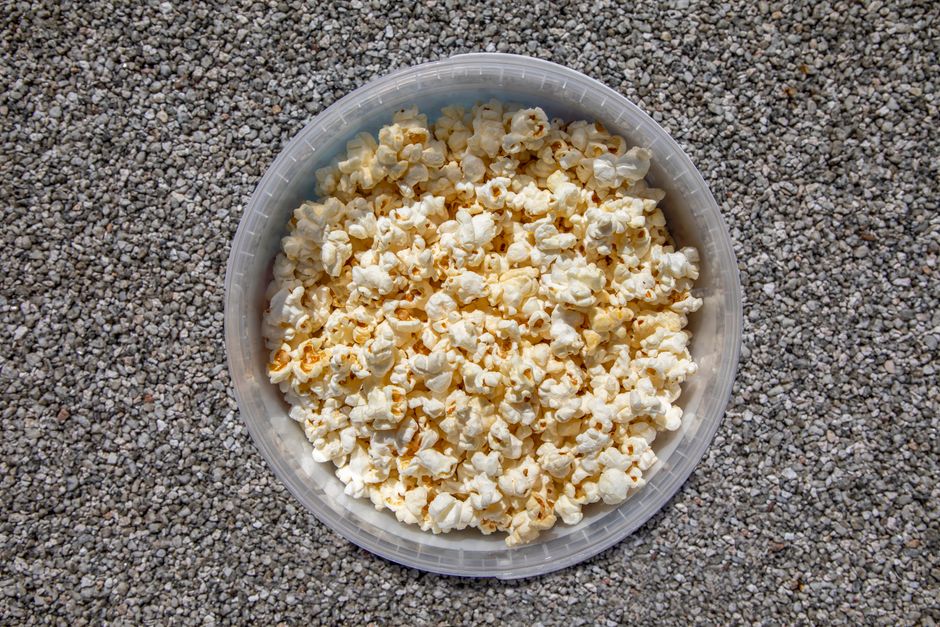
Popcorn is a whole grain, and plain air-popped popcorn is a genuinely healthy snack. The catch is what gets added to it. A bowl of plain popcorn and a bag of microwave popcorn drenched in butter-flavored oil are not the same food, even though they share a name.
Is Popcorn A Healthy Snack?
Yes, with conditions. Plain popcorn delivers fiber, some protein, and a small amount of vitamins and minerals for very few calories. It is one of the few snack foods that qualifies as a whole grain. The problem is not the popcorn itself. It is the butter, oil, sugar, and salt that most people eat with it.
Popcorn is a type of corn that expands when heated. Each kernel contains a small amount of water inside a hard outer shell. When heated, that water turns to steam and the kernel bursts. What you end up eating is the starchy inside of the grain, puffed up and light. Because it is puffed, a large volume of popcorn weighs very little. That matters for appetite. People tend to feel full based on how much food they see and chew, not just calories. A big bowl of plain popcorn can feel like a lot of food while providing relatively few calories.
The key distinction is preparation method. Air-popped popcorn with no added fat or salt is a different nutritional product from movie theater popcorn or most microwave varieties. The grain is healthy. The toppings often are not.
What Is Actually In Popcorn?
Popcorn is a whole grain, meaning the bran, germ, and endosperm are all still present. That is what separates it from refined grains like white flour, where the bran and germ are removed during processing.
According to USDA nutritional data, air-popped popcorn contains roughly 31 calories per cup. It provides about 1 gram of fiber per cup, along with small amounts of protein, magnesium, and phosphorus. Those numbers are for plain, unbuttered, unsalted popcorn.
The fiber content is the main nutritional argument for popcorn. Fiber supports digestive health and helps with feelings of fullness. Most adults in the US do not get enough fiber from their diets, and popcorn is an easy way to add some.
Here is how different preparations compare. The numbers below are approximate and based on standard USDA data for plain popcorn versus common commercial preparations. Exact values vary by brand and how much butter or oil is used.
| Type (1 cup) | Calories | Fiber | Added Fat |
|---|---|---|---|
| Air-popped, plain | ~31 | ~1 g | None |
| Oil-popped, plain | ~55 | ~1 g | ~3 g |
| Movie theater, buttered | ~130+ | ~1 g | High |
The calorie gap between air-popped and theater popcorn is large. A single cup of buttered theater popcorn can carry more than four times the calories of plain air-popped popcorn. Eat three or four cups and the difference becomes substantial.
Why Does Preparation Method Matter So Much?
Because popcorn is mostly air, it absorbs whatever you put on it. That is the core issue. A cup of plain popcorn has almost no fat. Add butter or oil and the fat content climbs quickly.
Movie theater popcorn is the clearest example. It is typically popped in oil, then topped with a butter-flavored topping that is often partly or mostly oil. Some theater popcorn is also heavily salted. A large tub can contain well over a thousand calories and a day’s worth or more of saturated fat and sodium. That is not a popcorn problem. It is a topping problem.
Microwave popcorn varies widely. Some brands offer lighter versions with less oil and salt. Others are loaded with butter flavoring and sodium. Reading the nutrition label is the only reliable way to know what you are getting. The front of the package often emphasizes “butter” or “extra butter” as a selling point, not a health claim.
Pre-popped bagged popcorn sold as a snack sits somewhere in between. Some brands are relatively plain. Others are coated in oil, sugar, or cheese powder. Kettle corn, caramel corn, and cheese popcorn are closer to candy or chips than to plain popcorn in nutritional terms.



Is Popcorn Better Than Other Snacks?
Compared to many common snack foods, plain popcorn holds up well. It provides more fiber and volume per calorie than potato chips, pretzels, or most crackers. That combination of fiber and volume is why it can help with satiety.
Compared to chips: plain popcorn has far less fat and more fiber per serving. Compared to pretzels: popcorn has more fiber and similar calories. Compared to nuts: nuts have more protein, healthy fats, and calories. Both can fit into a healthy diet, but they serve different purposes.
Popcorn is not a nutritional powerhouse in the way that vegetables, fruits, or legumes are. It does not deliver large amounts of vitamins or antioxidants compared to those foods. But as a snack food, it is one of the better options when prepared plainly. The bar for snack foods is low, and popcorn clears it more easily than most.
One point worth making: popcorn is not a vegetable. It is a grain. Some marketing describes it as a “vegetable snack,” which is not accurate. It is a whole grain snack, which is a meaningful distinction but a different one.
What About the Hulls and Digestive Issues?
Popcorn hulls are the hard outer shells of the kernel. They are the part that gets stuck in your teeth. They are also a source of insoluble fiber, which adds bulk to stool and can help with regularity.
For some people, popcorn causes digestive discomfort. The hulls are tough and can be hard to break down. People with certain digestive conditions, such as diverticulitis, have historically been told to avoid popcorn and other foods with seeds or hulls. That advice has shifted over time. Current thinking among many clinicians is that popcorn is not harmful for most people with diverticular disease, and some evidence suggests a high-fiber diet may be protective. But guidance varies, and anyone with a specific digestive condition should follow the advice of their own doctor rather than a general article.
Popcorn can also be a choking hazard for young children. The hulls and the shape of the kernels make it a risk for children under four. That is a well-established safety concern, not a nutritional one, but it matters.
How Should You Eat Popcorn If You Want It to Be Healthy?
Air-popping is the simplest way to keep popcorn plain. Air poppers use hot air instead of oil, so no fat is added during popping. You can also pop kernels in a paper bag in the microwave, or on the stovetop with a small amount of oil.
If you want flavor without the calories, here are some options that add little or nothing in the way of fat and sodium:
- Nutritional yeast, which adds a savory, cheesy flavor
- Garlic powder, onion powder, or chili powder
- Cinnamon, for a sweeter version without sugar
- A light mist of olive oil with herbs, if you want some fat
Portion size still matters. Popcorn is low in calories per cup, but it is easy to eat several cups without noticing. A large bowl of plain popcorn can still add up. That is not a reason to avoid it. It is a reason to pay attention.
For microwave popcorn, look for versions with lower sodium and no added butter flavoring. The nutrition label lists calories, fat, and sodium per serving. Note that a bag often contains more than one serving, which is a common source of confusion.
Does Popcorn Have Any Downsides?
Plain popcorn has few downsides. The main concerns are preparation-related, not grain-related.
Heavily buttered or salted popcorn can contribute a lot of saturated fat and sodium to your diet. Over time, high sodium intake is associated with elevated blood pressure in people who are salt-sensitive. High saturated fat intake is associated with elevated LDL cholesterol. These are well-established relationships, though the size of the effect varies by person and overall diet.
Popcorn itself is not addictive in any clinical sense, but it is easy to overeat, especially when it is salty or buttery. The combination of salt and fat tends to make food more palatable and harder to stop eating. That is a real effect, not a moral failing.
Some people report that popcorn makes them feel bloated or gassy. That is usually related to the fiber content and varies from person to person.
Is Popcorn a Good Choice for Weight Management?
Plain popcorn can fit well into a weight management plan because it provides volume and fiber for relatively few calories. Studies on satiety suggest that foods with high volume and low energy density tend to help people feel full on fewer calories. Popcorn fits that description when it is plain.
Buttered or sugary popcorn does not. Once you add significant fat or sugar, the calorie content climbs and the satiety advantage shrinks. The food stops being a low-energy-density snack and starts behaving more like a typical high-calorie snack food.
No single food determines weight. Popcorn is one piece of a larger picture. But as a snack swap, replacing chips or candy with plain popcorn is a reasonable change that most people can sustain.
Frequently Asked Questions
Is popcorn a healthy snack for weight loss?
Plain air-popped popcorn can support weight management because it is high in volume and fiber relative to its calories. Buttered, sugary, or heavily salted popcorn does not offer the same benefit and can add significant calories.
Is microwave popcorn healthy?
It depends on the brand. Some microwave popcorns are relatively low in fat and sodium, while others are heavily buttered and salted. Check the nutrition label rather than the front of the package.
Is popcorn a whole grain?
Yes. Popcorn is a whole grain, meaning the bran, germ, and endosperm are all present. That is what distinguishes it from refined grain snacks like most crackers and pretzels.
Can you eat popcorn every day?
Plain popcorn can be part of a daily diet for most people. The main considerations are portion size and what you add to it, not the popcorn itself.
