
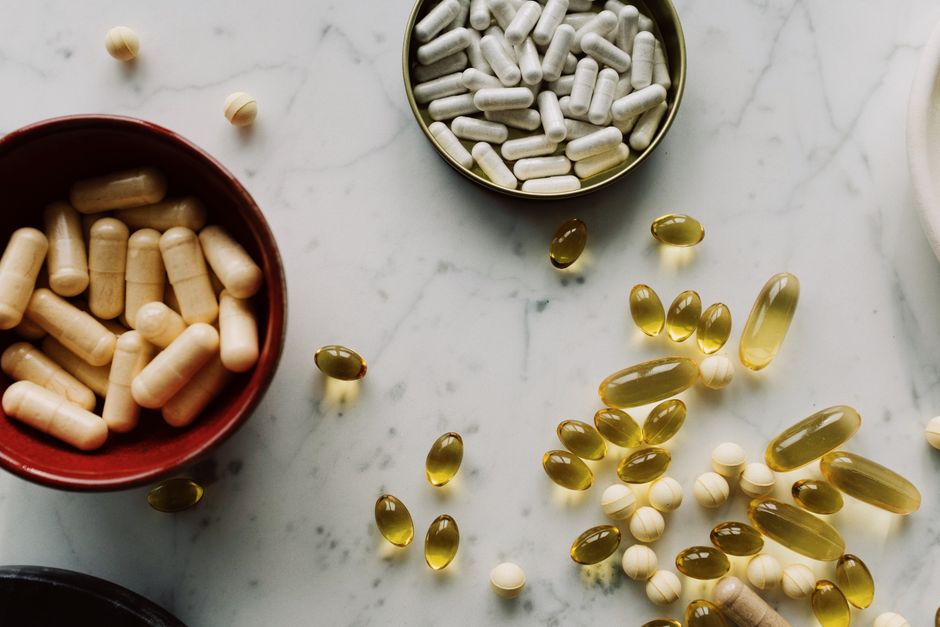
Betaine HCl is a supplement that increases stomach acid. During pregnancy, its safety is not well studied. Most healthcare providers advise against using it unless a doctor specifically prescribes it for a diagnosed condition. The general medical consensus is that pregnant women should not take betaine HCl without direct medical supervision.
What Is Betaine HCl and Why Do People Take It?
Betaine HCl is a combination of betaine (a compound found naturally in beets and spinach) and hydrochloric acid. People take it to raise stomach acid levels. Low stomach acid can cause bloating, indigestion, and poor nutrient absorption.
The supplement is commonly sold as a digestive aid. Some people take it to help break down protein better. Others use it to relieve heartburn, which might sound backwards. The logic is that too little acid causes the stomach to struggle, leading to reflux.
But this logic is debated. Many cases of heartburn during pregnancy come from the growing uterus pushing on the stomach, not from low acid. Taking betaine HCl could make that worse.
Is Betaine HCl Safe to Take During Pregnancy?
There is no clinical research that directly tests betaine HCl in pregnant women. No major health organization, including the FDA or the American College of Obstetricians and Gynecologists, has issued a safety statement on it. This absence of evidence is not evidence of safety.
What we do know comes from animal studies and general physiology. Betaine itself is a normal part of human metabolism. The body makes it and gets it from food. But the HCl component is different. Taking extra hydrochloric acid can irritate the stomach lining and damage the esophagus if reflux occurs.
Pregnancy already increases the risk of acid reflux and heartburn. The American Pregnancy Association reports that heartburn affects up to 80% of pregnant women. Adding more acid to the stomach could worsen these symptoms significantly.
What Does Research on Betaine HCl During Pregnancy Show?
Research on betaine HCl during pregnancy is virtually nonexistent. A 2019 review in the journal Nutrients looked at betaine supplementation in general. It found that betaine can lower homocysteine levels, which might be beneficial during pregnancy. High homocysteine is linked to complications like preeclampsia and neural tube defects.
However, that same review noted that betaine doses in studies were much lower than what is found in betaine HCl supplements. Typical betaine HCl capsules contain 500 to 650 milligrams of betaine HCl. That is a concentrated dose, not a food-level amount.
A 2020 study in Reproductive Toxicology examined betaine supplementation in pregnant rats. It found that high doses altered fetal liver development. The relevance to humans is unclear, but it raises a caution flag. No human studies have tested betaine HCl during pregnancy at any dose.




What Are the Risks of Taking Betaine HCl While Pregnant?
The main risk is worsening acid reflux. Pregnancy hormones relax the lower esophageal sphincter, the valve that keeps stomach acid from flowing upward. Adding more acid increases the chance of that acid reaching the esophagus.
Esophageal damage from chronic reflux is a real concern. It can lead to inflammation, bleeding, and long-term scarring. Pregnant women already face higher reflux rates. Betaine HCl could push mild reflux into severe territory.
Other risks include stomach irritation and ulcers. Betaine HCl can be harsh on the stomach lining, especially if taken on an empty stomach. Nausea and vomiting are common side effects. During pregnancy, vomiting is already a problem for many women in the first trimester.
There is also a theoretical risk of electrolyte imbalances. Hydrochloric acid affects the body’s acid-base balance. Pregnancy changes how the kidneys handle fluids and minerals. Adding an acid load could disrupt that balance.
Are There Safer Alternatives for Digestive Issues During Pregnancy?
Yes. For heartburn and indigestion, doctors typically recommend antacids that are safe during pregnancy. These include calcium carbonate (Tums) and certain H2 blockers like famotidine (Pepcid). The FDA categorizes these as generally safe for short-term use during pregnancy.
For low stomach acid, the safer approach is to address the root cause. Eating smaller meals, chewing food thoroughly, and avoiding trigger foods can help. Some women benefit from digestive enzymes that do not contain betaine HCl. Papain from papaya and bromelain from pineapple are milder options. However, even these should be discussed with a doctor.
Betaine from food sources is perfectly safe. Beets, spinach, quinoa, and wheat bran are rich in betaine. Getting betaine through diet does not carry the same risks as taking a concentrated HCl supplement.
| Option | Safety During Pregnancy | Evidence Level | Notes |
|---|---|---|---|
| Betaine HCl supplement | Not established | None for pregnancy | May worsen reflux |
| Calcium carbonate (Tums) | Generally safe | Well-studied | Also provides calcium |
| Famotidine (Pepcid) | Generally safe | Well-studied | Reduces acid production |
| Dietary betaine (foods) | Safe | Well-studied | Natural intake only |
| Digestive enzymes (non-HCl) | Limited evidence | Minimal | Discuss with doctor |
What Should You Do If You’ve Already Taken Betaine HCl While Pregnant?
Do not panic. A single dose or occasional use is unlikely to cause harm. The risks come from regular, long-term use. If you took it once, stop taking it and monitor for symptoms like worsening heartburn, nausea, or stomach pain.
Contact your OB-GYN or midwife. Tell them what you took, how much, and how often. They may want to check for signs of esophageal irritation or electrolyte issues. Be honest about the supplement. Healthcare providers need accurate information to give you the best care.
Do not start any new supplements during pregnancy without checking with your doctor first. This includes vitamins, herbs, and digestive aids. Many supplements lack safety data for pregnancy. Your doctor can help you weigh the risks and benefits.
Common Misconceptions About Betaine HCl and Pregnancy
Misconception: Betaine HCl is just a natural supplement, so it must be safe. Natural does not mean safe during pregnancy. Many natural substances, like high-dose vitamin A or certain herbal teas, can harm a developing baby. Safety depends on the dose, the form, and the individual.
Misconception: Heartburn means too much acid, so adding more is dangerous. This is partly true. Most heartburn during pregnancy is from mechanical pressure and hormone relaxation, not from acid levels. But some people do have low stomach acid. The problem is that you cannot self-diagnose this. A doctor can test for it with a Heidelberg test or a gastric acid analysis.
Misconception: Betaine HCl is the same as betaine from food. No. Betaine from food comes in small amounts and is balanced with other nutrients. Betaine HCl supplements deliver a concentrated dose of acid that your body may not handle well. The form matters as much as the substance.
What to Avoid When Considering Betaine HCl During Pregnancy
Avoid taking betaine HCl without a diagnosed medical need. Do not rely on online quizzes or symptom checkers to decide if you have low stomach acid. These tools are not accurate and can lead to unnecessary supplement use.
Avoid combining betaine HCl with other acid-increasing supplements. This includes apple cider vinegar, lemon juice, or glutamic acid. Stacking acid sources raises the risk of stomach damage and reflux.
Avoid taking betaine HCl near bedtime. Lying down after taking an acid supplement increases the chance of acid flowing into the esophagus. If you must take it, do so with a meal and stay upright for at least an hour afterward.
Frequently Asked Questions
Can betaine HCl cause miscarriage?
There is no evidence linking betaine HCl to miscarriage. However, no studies have tested this, so the risk cannot be ruled out.
Is betaine HCl safe in the first trimester?
No safety data exists for betaine HCl in the first trimester. Most doctors advise avoiding all unnecessary supplements during this critical development period.
What is the safe dose of betaine HCl during pregnancy?
No safe dose has been established for pregnancy. Even standard doses of 500-650 mg carry unknown risks for pregnant women.
Can I take betaine HCl with prenatal vitamins?
There are no known interactions between betaine HCl and prenatal vitamins. However, taking them together could increase nausea or stomach irritation.
