
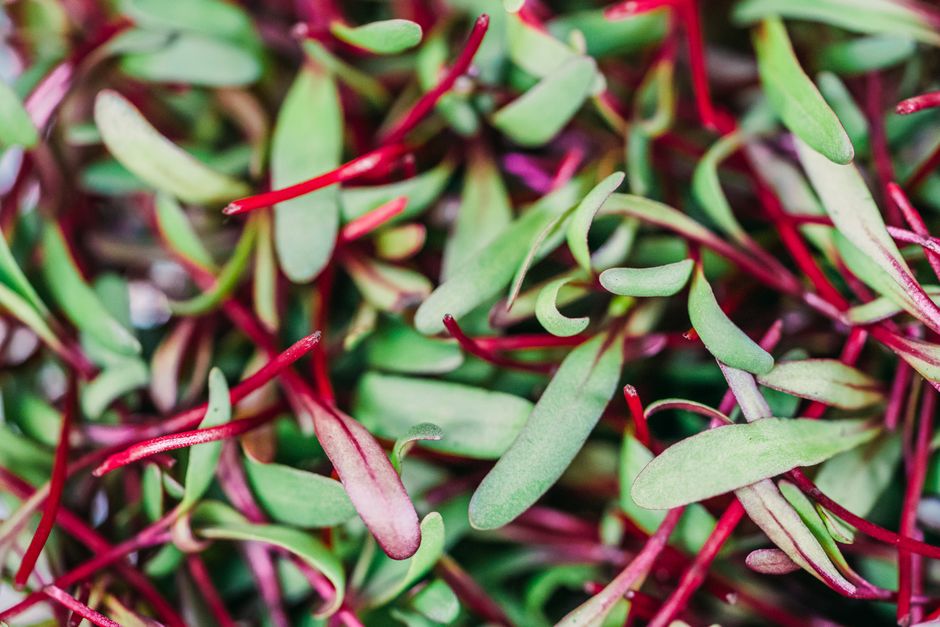
Beetroot is good for you. It is a nutrient-dense vegetable rich in nitrates, folate, potassium, and fiber. Regular consumption can help lower blood pressure and improve exercise performance. However, some people should be cautious about how much they eat.
Is Beetroot Good For You?
Yes, for most people, beetroot is a healthy addition to the diet. It provides important vitamins and minerals with very few calories. The nitrates in beetroot are converted by the body into nitric oxide, which helps blood vessels relax and improves blood flow. This can lead to lower blood pressure and better oxygen delivery during exercise. Beetroot also contains antioxidants that help protect cells from damage. For people without specific health conditions that require limiting oxalates or nitrates, eating beetroot in moderate amounts is beneficial.
What Are the Health Benefits of Beetroot?
Beetroot offers several well-documented health benefits, primarily driven by its high nitrate content and rich nutrient profile. The nitrates help dilate blood vessels, which can reduce blood pressure and improve circulation. This effect is most noticeable within a few hours of consuming beetroot juice or whole beets.
Beetroot also provides a good amount of folate, a B vitamin essential for cell growth and DNA synthesis. It contains potassium, which supports heart and muscle function, and fiber, which aids digestion and helps maintain stable blood sugar levels. The betalain pigments that give beetroot its deep red color act as antioxidants and have anti-inflammatory properties in the body.
Is Beetroot Good for Blood Pressure?
Research consistently shows that beetroot can help lower blood pressure. The nitrates in beetroot convert to nitric oxide, which relaxes the inner muscles of blood vessels, causing them to widen and improve blood flow. This effect is typically modest but meaningful, especially for people with mildly elevated blood pressure. Most studies have used beetroot juice in amounts ranging from one to two cups per day, and have observed reductions in systolic blood pressure within a few hours. The effect is temporary but can be maintained with regular consumption.





Does Beetroot Improve Athletic Performance?
Some studies suggest that beetroot can improve exercise performance, particularly for endurance activities. The nitrates help reduce the amount of oxygen muscles need during exercise, allowing you to perform longer before fatigue sets in. Improved blood flow also helps deliver more oxygen and nutrients to working muscles. The benefits are most noticeable for activities lasting 5 to 30 minutes, such as running, cycling, or swimming. Not everyone responds the same way, and the effect may be smaller in well-trained athletes. Drinking beetroot juice about two to three hours before exercise is a common approach used in research.
Are There Any Risks or Side Effects?
Beetroot is safe for most people when eaten in normal food amounts. However, there are a few potential risks. Beetroot is high in oxalates, which can contribute to kidney stone formation in people who are prone to calcium oxalate stones. If you have a history of kidney stones, talk to your doctor before increasing your beetroot intake.
Some people notice their urine or stool turns red or pink after eating beetroot. This condition, called beeturia, is harmless and happens when the betalain pigments pass through the body without being fully broken down. It is more common in people with low stomach acid or certain gut differences.
Because beetroot can lower blood pressure, combining it with blood pressure medications could cause an excessive drop. If you take medication for hypertension, check with your healthcare provider before consuming large amounts of beetroot or beetroot juice regularly.
Pregnant women can eat beetroot as part of a balanced diet, but there are no specific studies on safety of high-dose beetroot supplements or juice during pregnancy. Stick to food amounts unless your doctor advises otherwise.
How Should You Eat Beetroot for Maximum Benefit?
You can eat beetroot raw, cooked, juiced, or fermented. Each method has advantages. Raw beets retain the most nitrates, but they are firmer and earthier in taste. Roasting or steaming beets makes them softer and slightly sweeter, though some nitrates may be lost into the cooking water. Juicing concentrates the nitrates but removes most of the fiber, so it is best to pair juice with a fiber-rich meal.
Fermented beetroot, such as in beet kvass, introduces probiotics that may benefit gut health, but the research on fermentation’s effect on nitrate content is limited. For blood pressure and exercise benefits, one cup of beetroot juice or one medium whole beet a day is a reasonable amount based on studies. No clinical guidelines exist for a specific daily dose, but amounts used in trials are generally safe for healthy adults.
Frequently Asked Questions
Can you eat beetroot every day?
Yes, eating beetroot daily is safe for most people. Stick to one medium beet or about one cup of juice to avoid excessive oxalate intake.
Does beetroot interact with medications?
Yes, beetroot can lower blood pressure and may enhance the effect of blood pressure medications. If you take such drugs, consult your doctor before adding large amounts of beetroot to your diet.
Why does beetroot turn urine red?
This is called beeturia. It happens when the pigments in beetroot are not fully digested and are excreted in urine. It is harmless and more common in some people.
Is beetroot juice better than whole beets?
Beetroot juice provides a concentrated source of nitrates but lacks fiber. Whole beets offer fiber and a more gradual nutrient release. Both are beneficial, but whole beets may be better for digestion.
