
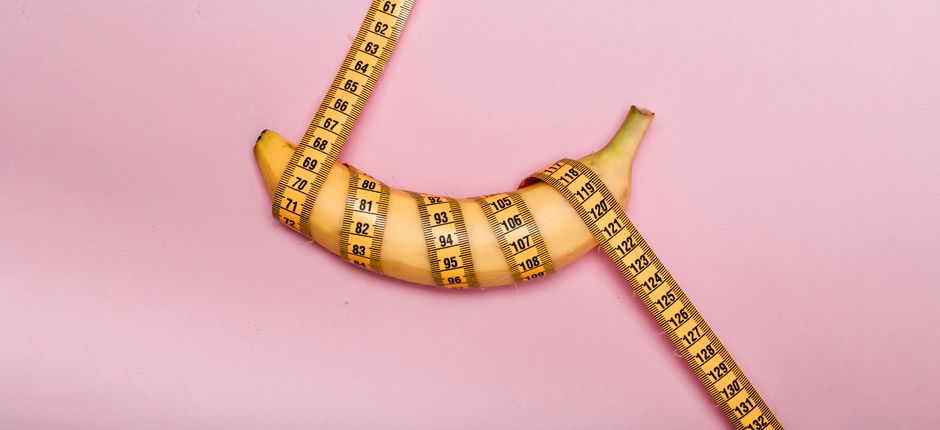
Bananas are one of the most commonly eaten fruits in the United States, and they show up on both “best” and “worst” lists for weight loss depending on who you ask. Here is the straightforward answer: a banana can fit well into a weight-loss eating pattern. It provides fiber, potassium, and about 100 calories in a medium fruit, and no controlled trial has shown that eating bananas causes weight gain. Whether it helps you lose weight depends far more on your total diet than on this single fruit.
Is Banana A Good Fruit For Weight Loss?
Yes, a banana can be a useful food in a weight-loss plan. It is portable, needs no preparation, and satisfies a sweet craving with nutrients instead of added sugar. That combination makes it easier for many people to stick with an eating plan, and sticking with a plan is what actually drives weight loss.
The catch is that no single food causes weight loss on its own. Weight comes down to how many calories you take in versus how many you burn over time, plus factors like sleep, stress, medications, and medical conditions. A banana helps only if it fits inside that overall picture. Eaten on top of a diet that already has more calories than your body needs, it will not produce weight loss. Eaten in place of a doughnut, a candy bar, or a second serving of chips, it usually helps.
How Many Calories And How Much Sugar Are In A Banana?
A medium banana has roughly 105 calories and about 14 grams of sugar. That sugar number alarms some people, but it needs context. The sugar in a banana comes packaged with fiber and water, and it is not the same as the free sugars added to soda, candy, and baked goods.
According to USDA food data, a medium banana (about 7 to 8 inches long) provides approximately:
- 105 calories
- 27 grams of total carbohydrate
- 3 grams of fiber
- 14 grams of sugar
- 422 milligrams of potassium
- About 1 gram of protein
That fiber matters. Fiber slows digestion and can help you feel full, which is one reason whole fruit tends to be more satisfying than fruit juice or sugary snacks with similar calorie counts. A cup of orange juice and a banana might land in a similar calorie range, but they do not feel the same in your stomach.
Does The Sugar In Bananas Cause Weight Gain?
No. The sugar naturally present in whole fruit has not been shown to cause weight gain when fruit is eaten as part of a normal diet. This is one of the most persistent myths in nutrition.
The confusion comes from lumping all sugar together. Added sugars — the kind put into sweetened drinks, desserts, and processed foods — are linked to weight gain and other health problems when eaten in excess. Naturally occurring sugars in fruit behave differently because they arrive with fiber, water, vitamins, and minerals. Public health guidance consistently separates the two and recommends limiting added sugars while encouraging whole fruit.
Bananas do have a higher sugar content than some other fruits, and they have a moderately high glycemic index when ripe. Glycemic index measures how quickly a food raises blood sugar. A ripe banana scores higher than an unripe one because its starch converts to sugar as it ripens. For most healthy people, this difference is not meaningful for weight. For people with diabetes, it can matter more, and portion size and ripeness are worth discussing with a clinician.





Do Green Bananas And Ripe Bananas Differ For Weight Loss?
They differ in starch content, though the practical effect on weight is small. An unripe green banana contains more resistant starch, a type of carbohydrate that escapes digestion in the small intestine and ferments in the colon. Ripe bananas have less resistant starch and more simple sugars.
Some research suggests resistant starch may influence appetite and blood sugar, but the evidence for meaningful weight loss from eating green bananas specifically is limited. No large human trials have confirmed that green bananas cause weight loss. If you prefer green bananas, eat them. If you prefer ripe ones, that is fine too. The difference is minor compared with your overall eating pattern.
How Should You Eat Bananas If You Want To Lose Weight?
How you eat a banana matters more than whether you eat one. A banana on its own is a light snack. A banana blended into a smoothie with juice, honey, and peanut butter can easily become a 500-calorie drink that does not keep you full.
A few practical points that rest on solid ground:
- Pair a banana with protein or fat, such as Greek yogurt, a small handful of nuts, or an egg. This slows digestion and tends to keep hunger away longer.
- Use it to replace a higher-calorie sweet. Swapping a pastry for a banana cuts calories without feeling like punishment.
- Watch liquid forms. Smoothies and juices are less filling than whole fruit and easier to overconsume.
- Keep portions in mind. One medium banana is a reasonable serving. Three or four in a single smoothie is a lot of calories in a short time.
None of this is unique to bananas. The same logic applies to apples, berries, and most whole fruits.
How Do Bananas Compare To Other Fruits?
Bananas are higher in calories and sugar than many fruits, but they are also more filling and more nutrient-dense than most snack foods. The comparison that matters is not banana versus strawberry — it is banana versus the snack you would eat instead.
| Fruit (medium or 1 cup) | Approx. calories | Approx. fiber |
|---|---|---|
| Banana (medium) | 105 | 3 g |
| Apple (medium) | 95 | 4 g |
| Orange (medium) | 62 | 3 g |
| Strawberries (1 cup) | 49 | 3 g |
| Blueberries (1 cup) | 84 | 4 g |
Berries generally give you more volume and fiber per calorie, which is why they appear often in weight-loss plans. Bananas are still a strong choice. They are cheap, available year-round, and easy to carry. A fruit you actually eat beats a “better” fruit you leave in the fridge.
What Does The Evidence Actually Show About Fruit And Weight?
Higher fruit intake is generally associated with lower body weight and a lower risk of weight gain over time in large observational studies. These studies cannot prove that fruit causes weight loss, because people who eat more fruit may differ in other ways. But the direction is consistent, and no strong evidence points the other way.
What the research does not support is the idea that any single fruit — banana included — drives weight loss by itself. Claims that bananas “burn fat” or “boost metabolism” are not supported by clinical evidence. Bananas contain no compound shown to increase fat burning in humans.
The honest summary: bananas are a nutritious, moderately calorie-dense fruit that fits comfortably into a weight-loss diet. They are not magic, and they are not the enemy. If you enjoy them, eat them. If you do not, other fruits work just as well.
Frequently Asked Questions
Can I eat bananas every day and still lose weight?
Yes. A banana a day fits within most weight-loss eating patterns and has not been linked to weight gain. What matters is your total calorie intake across the whole day, not one fruit.
Are bananas fattening because of their sugar?
No. The natural sugar in a whole banana comes with fiber and water and has not been shown to cause weight gain. Added sugars in processed foods and drinks are the bigger concern.
Is it better to eat bananas before or after a workout?
Either works. Bananas provide quick carbohydrate that can fuel a workout or help replenish energy afterward, and the timing has little effect on weight loss compared with your overall diet.
How many bananas a day is too many for weight loss?
There is no official limit, but eating several large bananas daily adds up in calories quickly. One to two medium bananas a day is a reasonable range for most people watching their weight.
