
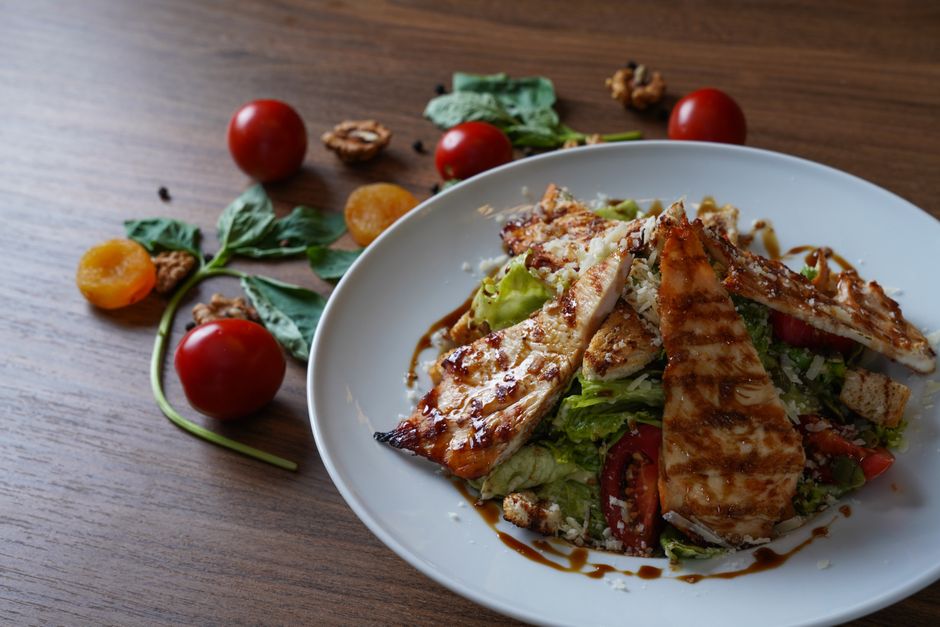
Balsamic glaze is not keto-friendly. A typical serving carries roughly 6 to 10 grams of carbohydrate per tablespoon, almost all of it sugar, and that is enough to disrupt ketosis for many people eating 20 to 30 grams of net carbs a day. Traditional balsamic vinegar is a different story, but the glaze sold in squeeze bottles is essentially reduced vinegar with sugar added back in.
The confusion is understandable. Both products sit on the same grocery shelf and both say “balsamic.” One is a fermented vinegar with modest carbs. The other is a sweet syrup designed to drizzle over food. If you are tracking carbs carefully, that distinction matters more than almost any other swap in your kitchen.
What Is Balsamic Glaze Carbs And Why Is It So High?
Balsamic glaze is made by cooking down balsamic vinegar until it thickens into a syrup. That reduction concentrates the naturally occurring sugars in the vinegar. Many commercial producers also add sugar, glucose syrup, or grape must during or after reduction to make it pourable and shelf-stable.
Traditional balsamic vinegar of Modena is made from cooked grape must and aged for years. It is naturally sweet because grape must is concentrated grape juice. Even the traditional product, which contains no added sugar, is high in naturally occurring sugars. The inexpensive “balsamic vinegar” most Americans buy is wine vinegar with grape must added for color and sweetness.
Here is the part that surprises people. The glaze is not just vinegar with a little sweetness. It is a concentrated sugar product with vinegar flavor. A single tablespoon can deliver more carbohydrate than a full cup of most green vegetables.
Exact carb counts vary by brand because recipes differ. Rather than trusting a number from memory, read the nutrition panel on the bottle you actually own. The label is the only reliable source for that specific product.
Is Balsamic Glaze Keto Carbs And Low Carb Swaps Worth Knowing?
For most people following a ketogenic diet, regular balsamic glaze does not fit. One or two tablespoons can consume a meaningful share of a daily carb allowance that many keto eaters keep between 20 and 30 grams of net carbs.
The math is unforgiving. If a tablespoon of glaze carries 8 grams of carbohydrate and your daily target is 25 grams, a single drizzle uses nearly a third of your budget for a condiment. That is a poor trade when the same volume of olive oil, mustard, or a vinegar-based dressing adds almost nothing.
There is a second reason to be cautious. Sugar-dense foods can trigger cravings and make it harder to stay in ketosis, even when the portion looks small. A thin drizzle on a plate of roasted vegetables feels minor. The carbohydrate load is not.
This does not mean balsamic flavor is off the table. It means the glaze form is the problem, not the vinegar itself.
How Many Carbs Are in Regular Balsamic Vinegar?
Plain balsamic vinegar contains far fewer carbs than glaze. A typical tablespoon of commercial balsamic vinegar provides roughly 2 to 3 grams of carbohydrate. Traditional aged balsamic made from grape must runs higher because the must is concentrated grape juice.
That difference is why some keto eaters use small amounts of plain balsamic vinegar in dressings without trouble. A teaspoon or two stirred into olive oil adds flavor with a modest carb cost. The glaze, by contrast, is concentrated sweetness.
Read labels carefully here. Bottles labeled “balsamic vinegar” vary widely. Some are thin and acidic. Others are thick and syrupy even without the word glaze on the front. If the first ingredient is grape must or sugar, treat it more like the glaze category than the vinegar category.





What Are the Best Low Carb Swaps for Balsamic Glaze?
Several alternatives deliver the tangy, slightly sweet depth people want from balsamic without the sugar load. None of them taste identical, but each works in specific contexts.
- Plain balsamic vinegar with olive oil. Whisk a small amount of balsamic vinegar into olive oil for a dressing. The carb count stays low if you keep the vinegar portion modest.
- Red wine vinegar or apple cider vinegar. Both are low in carbohydrate and bring acidity. They lack balsamic’s sweetness, so a pinch of salt and a good olive oil help balance them.
- Balsamic vinegar reduced at home without added sugar. Simmering plain balsamic vinegar concentrates its natural sugars too, so this still raises the carb density. It is lower than commercial glaze but not carb-free.
- Commercial sugar-free glazes. Some products replace sugar with sweeteners. Carb counts vary by brand and sweetener type, so check the label and note that some sugar alcohols can cause digestive discomfort in larger amounts.
A practical approach many people use is to treat balsamic as a seasoning rather than a sauce. A few drops of plain vinegar go a long way. The glaze format encourages pouring, which is exactly the problem.
Does Balsamic Glaze Fit a Low Carb Diet That Is Not Strict Keto?
It can fit a moderate low carb diet more easily than strict keto. If you are eating 75 to 100 grams of carbohydrate a day, a tablespoon of glaze is a small fraction of your total. The tradeoff is simply whether you want to spend those carbs on a condiment.
Context matters. A person eating a large salad with protein and plenty of vegetables has more room than someone eating a small meal. The glaze itself is not the issue in a moderate plan. Portion control is.
One clarification worth making. “Low carb” has no single legal definition. Different clinicians and diet plans set different thresholds. What counts as low carb for you depends on your target, and a condiment that fits one person’s plan may not fit another’s.
What Should You Check on a Balsamic Glaze Label?
The nutrition panel is your most reliable guide. Look at total carbohydrate and sugars per serving, then check what the serving size actually is. Many labels list a teaspoon rather than a tablespoon, which makes the numbers look smaller than a realistic pour.
Scan the ingredient list next. If sugar, glucose syrup, or concentrated grape must appears early, the product is sweet by design. Ingredients are listed by weight, so position on the list tells you how much of the product is sugar.
Watch for the word “reduced” on the front of the bottle. It usually means the vinegar was cooked down, which concentrates sugars even without added sweetener. That is not automatically a problem, but it changes the carb math.
Finally, measure rather than pour. A drizzle from the bottle is hard to estimate, and estimates tend to run low. A measuring spoon takes a few seconds and gives you an honest number.
Is Balsamic Vinegar Healthy Enough to Keep in Your Kitchen?
Balsamic vinegar has a long culinary history and fits well in most eating patterns when used in reasonable amounts. Some research suggests vinegar consumption may modestly affect blood sugar responses to meals, though the evidence is not strong enough to treat vinegar as a treatment for anything.
The larger point is that vinegar is not the problem. Added sugar is. A bottle of plain balsamic vinegar in your pantry is a versatile ingredient. A bottle of sweetened glaze is closer to a dessert topping in carb terms.
If you enjoy balsamic flavor, keep the vinegar and skip the glaze. That single change removes most of the carbohydrate load without giving up the taste you were after.
Frequently Asked Questions
Is balsamic glaze keto-friendly?
No, regular balsamic glaze is not keto-friendly for most people because it is high in sugar and can carry roughly 6 to 10 grams of carbohydrate per tablespoon. Plain balsamic vinegar is a lower-carb option by comparison.
How many carbs are in a tablespoon of balsamic glaze?
A typical tablespoon provides about 6 to 10 grams of carbohydrate, mostly sugar, though the exact amount varies by brand. Check the nutrition panel on your specific bottle for an accurate figure.
Can I use regular balsamic vinegar on keto?
Small amounts of plain balsamic vinegar can fit a keto plan because it has far fewer carbs than glaze, around 2 to 3 grams per tablespoon for many commercial products. Traditional aged balsamic made from grape must is higher in natural sugar.
What is a good low carb substitute for balsamic glaze?
Plain balsamic vinegar whisked with olive oil, red wine vinegar, or apple cider vinegar are common lower-carb alternatives. Sugar-free glazes exist but vary by brand, so read the label before relying on them.
