
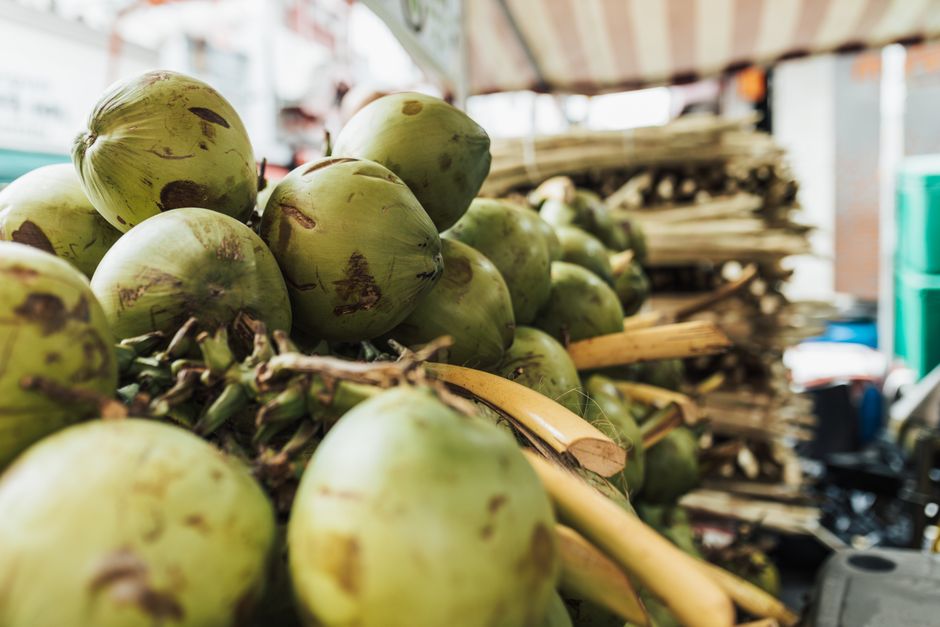
Bai coconut water is a flavored coconut water drink, not pure coconut water straight from the nut. It contains real coconut water as its base ingredient, but it also contains added sugar in most varieties, natural flavors, and added caffeine in some lines. Whether it is good for you depends entirely on which version you pick and what you compare it to. Plain coconut water has real nutritional value. A sweetened, caffeinated Bai drink sits much closer to a soft drink than to a health beverage.
What Is Actually in Bai Coconut Water?
Bai describes its coconut water products as containing coconut water, filtered water, and natural flavors. The company’s branding emphasizes antioxidants from coffee fruit and, in some products, added caffeine. That framing has led many people to treat Bai as a wellness drink. The ingredient list tells a more ordinary story.
The base is coconut water, which naturally contains potassium, some sodium, and a small amount of sugar. To that, Bai adds sweeteners. Some varieties use cane sugar. Others use a mix of sugar and stevia leaf extract, a plant-based sweetener. The result is a drink that tastes sweeter and more consistent than coconut water poured from a fresh coconut, which varies in flavor and can taste flat or slightly salty.
One point that gets lost in the marketing: coconut water’s natural electrolytes are present in modest amounts. It is not a sports drink replacement in any meaningful sense. The electrolyte content of a flavored, diluted coconut water drink is lower still.
Is Bai Coconut Water Good For You? A Nutrition Breakdown
Plain, unsweetened coconut water is a reasonable low-calorie drink. It provides potassium, a mineral most Americans do not get enough of, and it contains no added sugar. Those are real, if modest, benefits. Bai coconut water is a different product because of what is added to it.
Added sugar is the main issue. The American Heart Association recommends that women limit added sugar to no more than 25 grams per day and men to no more than 36 grams per day. Sweetened beverages are the single largest source of added sugar in the typical US diet, and a flavored coconut water drink contributes to that total the same way any sweetened drink does. The body does not distinguish between sugar from a “natural” coconut drink and sugar from any other source.
Natural flavors are also worth understanding. The term covers a wide range of ingredients derived from plant or animal sources. It does not mean the flavoring is nutritionally beneficial, and it does not tell you what the flavoring actually is. That is a labeling standard, not a health claim.
Antioxidants from coffee fruit appear in Bai’s marketing. Coffee fruit does contain antioxidant compounds. Whether drinking them in this form produces any measurable health benefit in humans has not been established in large clinical trials. Biological plausibility is not the same as proven benefit.
Does Bai Coconut Water Have Caffeine?
Some Bai coconut water products contain added caffeine, and some do not. This varies by product line and has changed over time as the company has reformulated. You have to read the label on the specific bottle in front of you.
For people who are sensitive to caffeine, this matters. Caffeine can disrupt sleep, especially when consumed in the afternoon or evening. It can also raise heart rate and blood pressure modestly in some people. If you are pregnant, breastfeeding, or managing a heart condition, added caffeine in a drink you assumed was caffeine-free is an easy thing to miss.
The caffeine in these products comes from added sources, not from the coconut water itself. Coconut water does not naturally contain caffeine. If a coconut water drink gives you a lift, something was added to make that happen.





How Does It Compare to Plain Coconut Water?
The comparison is not close. Plain coconut water is one ingredient. Bai coconut water is coconut water plus sweeteners, natural flavors, and sometimes caffeine. If your goal is hydration with minimal added sugar, plain unsweetened coconut water is the better choice. If your goal is a sweet, flavored drink, Bai is a reasonable option among sweetened beverages, but it is not a health food.
| Feature | Plain Coconut Water | Bai Coconut Water |
|---|---|---|
| Added sugar | None | Present in most varieties |
| Natural flavors | None | Present |
| Caffeine | None | In some products |
| Potassium | Naturally present | Lower due to dilution |
| Antioxidant marketing | Not applicable | Coffee fruit extract |
One clarification worth making: coconut water itself is not a superior hydration drink for most everyday situations. For typical hydration needs, water works fine. Coconut water’s potassium content is its main nutritional feature, and you can get potassium from bananas, beans, potatoes, and leafy greens just as easily.
Who Should Be Careful With It?
People with kidney disease need to be cautious with coconut water in general. Coconut water is high in potassium, and impaired kidneys may not clear excess potassium efficiently. This is a genuine clinical concern, not a hypothetical one. If you have kidney disease, talk to your doctor before drinking coconut water regularly.
People watching their blood sugar should treat sweetened Bai coconut water like any other sweetened drink. It contributes to added sugar intake and can affect blood glucose. The caffeine in some varieties is another consideration for anyone managing blood pressure, anxiety, or sleep problems.
For most healthy adults, an occasional Bai coconut water is not dangerous. The question is whether it belongs in your daily routine as a “healthy” choice. The label does not support that framing.
What About the “Antioxidant” and “Hydration” Claims?
Bai’s marketing leans on two ideas: antioxidants and hydration. Both deserve scrutiny.
Antioxidants in food and drink are real. Whether a specific antioxidant from a specific product produces a health benefit in humans is a separate question that requires clinical trials. For coffee fruit extract specifically, the human evidence is limited. No large trials have confirmed that drinking it improves any health outcome.
Hydration claims are similarly loose. Any drink with water in it hydrates you. Coconut water does contain electrolytes, but in amounts too small to matter for most people eating a normal diet. If you are sweating heavily for hours, a properly formulated electrolyte drink will do more. For a walk around the block, water is enough.
The pattern here is common in the beverage industry. Take a real ingredient, attach real-sounding science, and let the consumer fill in the rest. The ingredient is real. The implied benefit usually is not.
Is There a Healthier Way to Drink Coconut Water?
If you like coconut water, the simplest upgrade is to buy plain, unsweetened coconut water and read the label to confirm there is no added sugar. Some brands add sugar and call the product “coconut water” anyway. The ingredient list is the only reliable guide.
If you want flavor, adding a squeeze of lime or a few frozen berries to plain coconut water gives you flavor without the added sugar or natural flavors. If you want caffeine, coffee or tea gives you caffeine with fewer added ingredients and a much longer track record of study.
None of this is dramatic. It is just a matter of matching what you drink to what you actually want from it.
Frequently Asked Questions
Is Bai coconut water actually healthy?
It is not a health food. Plain coconut water has modest nutritional value, but most Bai varieties add sugar and natural flavors, and some add caffeine.
Does Bai coconut water have added sugar?
Most varieties do. Some use cane sugar, and some use a mix of sugar and stevia, so check the label on the specific product you buy.
Is coconut water better than sports drinks?
For everyday hydration, plain water works fine. For heavy sweating over long periods, a properly formulated electrolyte drink is more effective than coconut water.
Can I drink Bai coconut water every day?
An occasional one is not a problem for most healthy adults. Drinking it daily adds up in added sugar, and the caffeine in some varieties may affect sleep or blood pressure.
