
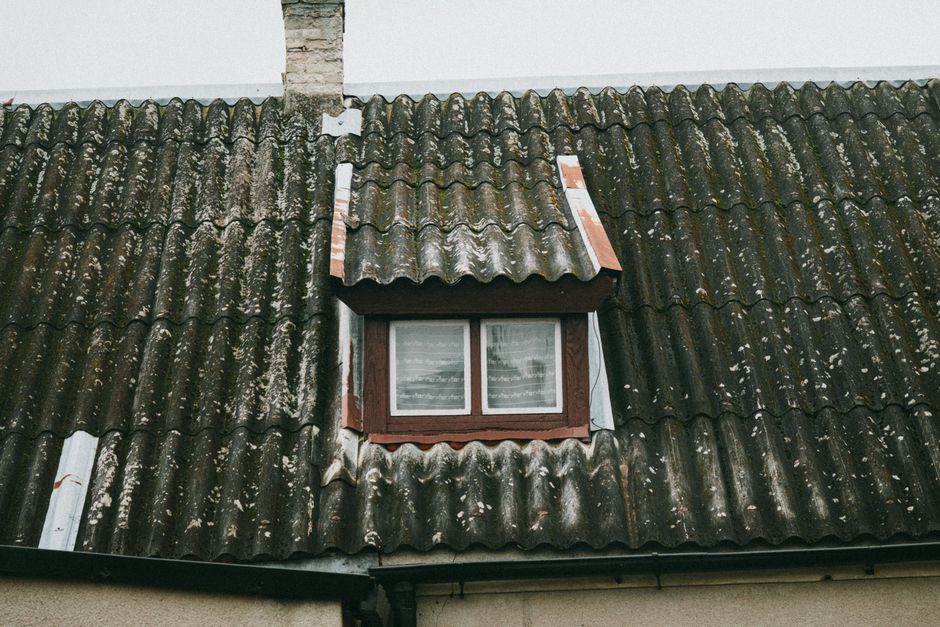
Asbestos is dangerous to both touch and inhale, but the risks are completely different. Touching asbestos can irritate your skin, but it does not cause cancer. Inhaling asbestos fibers is the real danger — it can cause lung cancer, mesothelioma, and asbestosis. The lungs have no way to push out these sharp fibers once they get in. Your skin, however, protects you from most harm on contact.
What Happens When Asbestos Touches Your Skin?
Direct skin contact with asbestos usually causes minor irritation. The fibers are sharp and can poke into the outer layer of skin. This can lead to redness, itching, or a rash. Some people develop small bumps that look like calluses.
These skin reactions are not dangerous in the long term. The fibers do not travel through your skin into your bloodstream. Your skin acts as a barrier. Once you wash the area, the irritation typically goes away within a few days. The American Academy of Dermatology notes that asbestos-related skin issues are rarely serious.
There is one exception worth knowing about. People who work with asbestos for many years can develop asbestos warts. These are hard, raised growths where fibers get embedded in the skin. Even these warts are not cancerous. They can be removed by a doctor if they bother you.
What Happens When You Inhale Asbestos Fibers?
Inhaling asbestos is a completely different story. The fibers are microscopic — about 0.1 to 10 microns wide. For comparison, a human hair is about 70 microns wide. You cannot see these fibers floating in the air.
Once you breathe them in, they travel deep into your lungs. The fibers are sharp and durable. Your lungs cannot break them down or push them out. They stay there for decades. Over time, they cause inflammation and scarring.
Research published in the Journal of the National Cancer Institute found that asbestos exposure is the leading cause of mesothelioma, a rare and aggressive cancer. The CDC reports that about 3,000 people in the U.S. are diagnosed with mesothelioma each year. Almost all of them were exposed to asbestos through inhalation.
Lung cancer rates are also significantly higher in people with asbestos exposure. The World Health Organization classifies all forms of asbestos as carcinogenic to humans. This classification is based on inhalation, not skin contact.
Is Asbestos Dangerous To Touch Skin Vs Lungs — A Direct Comparison
Here is a clear breakdown of how the two exposure routes compare:
| Exposure Route | Immediate Effect | Long-Term Risk |
|---|---|---|
| Skin contact | Irritation, itching, rash | Very low — no cancer risk |
| Inhalation | None — fibers are invisible | High — lung cancer, mesothelioma, asbestosis |
| Ingestion (swallowing) | None | Low — possible link to colon cancer, but evidence is weak |
This table makes one thing clear: your lungs are the primary target. Skin contact is a nuisance. Inhalation can kill you. The reason is simple biology. Your skin sheds dead cells constantly, pushing fibers away. Your lungs have no such mechanism.





How Do Asbestos Fibers Damage Lung Tissue?
Asbestos fibers are not chemically toxic. They cause harm through physical damage. Think of them like tiny glass needles. When they lodge in lung tissue, your immune system tries to attack them. The immune cells cannot digest the fibers. They die and release inflammatory chemicals.
This cycle repeats for years. Scar tissue builds up around the fibers. The medical term for this is asbestosis. It makes your lungs stiff and less efficient at transferring oxygen. Symptoms include shortness of breath, a persistent cough, and chest pain. These symptoms often appear 20 to 40 years after the first exposure.
Some studies suggest that certain types of asbestos, like crocidolite (blue asbestos), are more dangerous than others. But all types are harmful when inhaled. The National Institute for Occupational Safety and Health recommends avoiding any airborne asbestos exposure.
Can Asbestos Fibers Get Into Your Body Through Skin?
This is a common concern. People worry that touching asbestos will let fibers enter their body. The short answer is no. Your skin is an effective barrier. The outer layer, called the stratum corneum, is made of dead cells packed tightly together. Fibers cannot pass through it.
There is one scenario where this changes. If you have an open wound, a fiber could theoretically enter your body. Even then, the risk is very low. The fiber would likely get trapped in the wound and cause a local infection, not a systemic problem. No studies have shown that asbestos entering through broken skin causes cancer.
Some people report that asbestos fibers cause a burning sensation on skin. This is likely due to physical irritation, not chemical damage. Washing with soap and water removes the fibers. Do not scrub hard, as that can push fibers deeper into skin folds.
What Should You Do If You Touch Asbestos?
If you accidentally touch asbestos, do not panic. The risk is minimal. Follow these steps:
- Wash the area with mild soap and cool water. Do not use hot water — it opens pores and can trap fibers.
- Do not scratch. Scratching can push fibers into your skin.
- Dry the area with a clean towel. Throw the towel away in a sealed plastic bag.
- If irritation lasts more than a few days, see a doctor. This is rare but possible.
If you were in a room where asbestos was disturbed, you may have also inhaled fibers. In that case, leave the area immediately. Seal the room off and call a licensed asbestos abatement professional. Do not try to clean it yourself. Vacuuming or sweeping can send fibers back into the air.
The Environmental Protection Agency recommends that homeowners never disturb asbestos-containing materials. If you suspect asbestos in your home — in old insulation, floor tiles, or pipe wrap — leave it alone. Undisturbed asbestos is generally safe. Disturbed asbestos is not.
Common Misconceptions About Asbestos Exposure
Many myths circulate about asbestos. Here are three that need correcting.
Myth: One exposure to asbestos will give you cancer. This is not true. Cancer from asbestos usually requires repeated, long-term exposure. People who worked in asbestos mines or factories for years are at the highest risk. A single brief encounter is unlikely to cause disease.
Myth: Wearing a dust mask protects you from asbestos. Standard dust masks do not filter out asbestos fibers. You need a respirator with a P100 or HEPA filter. These are rated for asbestos and other fine particles. Even then, proper fit is essential.
Myth: Asbestos is banned in the United States. This is partially true but misleading. The EPA banned most new uses of asbestos in 1989. But products that were already in use, like brake pads and roofing materials, were allowed to stay. Asbestos is still imported for certain industrial uses. The 2024 EPA rule strengthened the ban, but legacy asbestos in older buildings remains a concern.
Who Is Most at Risk From Asbestos?
Certain groups face higher risks. Construction workers, shipyard workers, and firefighters are at the top of the list. These jobs involve disturbing old building materials. The Occupational Safety and Health Administration estimates that 1.3 million workers in the U.S. are exposed to asbestos on the job.
Family members of workers are also at risk. Fibers can cling to clothing and shoes. When workers come home, they bring asbestos into the house. This is called para-occupational exposure. It has caused cases of mesothelioma in spouses and children of workers.
People living near asbestos mines or processing plants have higher rates of asbestos-related diseases. A study published in Environmental Health Perspectives found elevated mesothelioma rates in communities near natural asbestos deposits in California.
Frequently Asked Questions
Can you get cancer from touching asbestos once?
No. Skin contact with asbestos does not cause cancer. The fibers cannot pass through your skin into your body.
How long does it take for asbestos to harm your lungs?
It typically takes 20 to 40 years for asbestos-related diseases like mesothelioma or asbestosis to develop after inhalation.
Is it safe to live in a house with asbestos tile?
Yes, as long as the tile is intact and undisturbed. Asbestos only becomes dangerous when it is damaged and fibers become airborne.
Can washing your hands remove asbestos fibers?
Yes, washing with soap and water removes most fibers from skin. Use cool water and avoid scrubbing to prevent embedding fibers deeper.
