
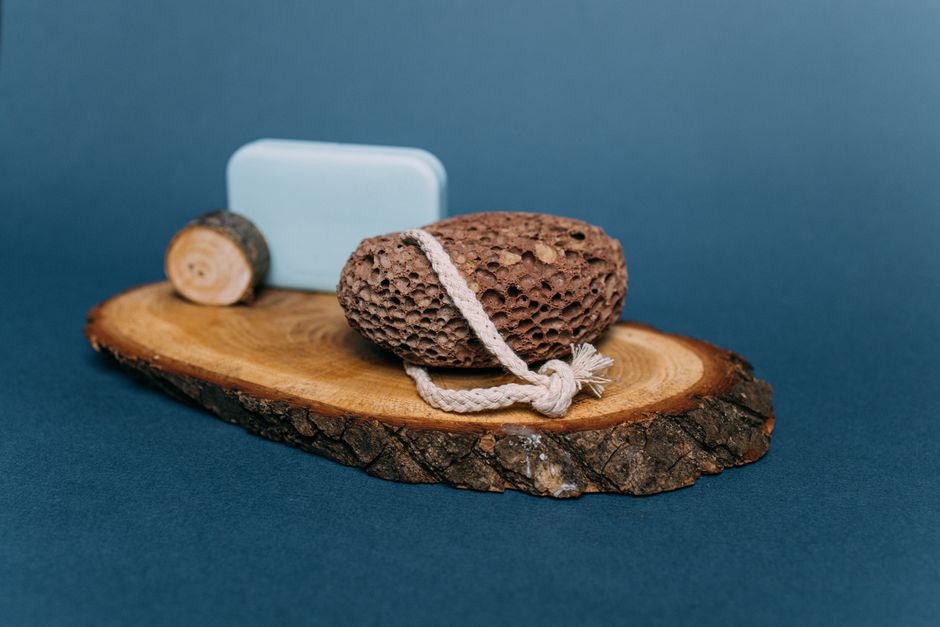
Pumice stone is not toxic. It is a natural volcanic glass foam, and it does not contain chemical toxins that leach into your skin or the air you breathe. However, using it incorrectly can cause physical harm, such as skin abrasions, and inhaling large amounts of pumice dust over time can irritate the lungs. The real risks are physical, not chemical.
What Is Pumice Stone Made Of?
Pumice forms when volcanic lava cools rapidly with gas bubbles trapped inside. The result is a light, porous rock that is rough to the touch. It is mostly made of silica, which is the same compound found in sand and quartz.
Silica itself is not poisonous. The concern with silica arises only when it is inhaled as fine dust in large amounts over many years, such as in mining or sandblasting jobs. That is a different situation from rubbing a pumice stone on your heel in the shower.
Is Pumice Stone Toxic To Skin?
No, pumice stone is not toxic to skin. It contains no chemical additives, dyes, or preservatives. It is a raw mineral product.
The risk is mechanical, not chemical. Pumice is abrasive. It removes dead skin by physically scraping it away. If you press too hard or rub for too long, you can remove living skin underneath. That causes soreness, redness, and sometimes bleeding.
People with thin skin, diabetes, or poor circulation should be especially careful. A small cut from a pumice stone can become a serious infection if you have reduced blood flow or delayed healing. If you have neuropathy, meaning reduced feeling in your feet, you may not notice that you have scraped yourself until it is already irritated.
Can Pumice Stone Cause Lung Damage?
Inhaling large amounts of pumice dust can irritate the lungs. This is a real concern for workers who cut, grind, or crush pumice for a living. It is not a realistic concern for someone using a pumice stone on their feet at home.
When you use a pumice stone wet, as most people do, the water traps the dust particles. Very little becomes airborne. The small amount of dust that does float up is unlikely to reach the deep parts of your lungs in a harmful amount.
Occupational studies have looked at workers in pumice mines and processing plants. Some research suggests that long-term exposure to pumice dust can cause respiratory symptoms like coughing or wheezing. The evidence is not as strong or as clear as it is for crystalline silica, which is a known cause of lung disease. Pumice contains amorphous silica, which is generally considered less hazardous than the crystalline form.





Is Pumice Stone Safe To Use Every Day?
Daily use is usually unnecessary and can irritate your skin. Most dermatologists suggest using a pumice stone two to three times per week at most. This gives your skin time to recover between sessions.
Your skin naturally sheds dead cells and replaces them. If you scrub every day, you interrupt that cycle. The skin may respond by thickening, which creates a cycle of more scrubbing and more thickening. This is counterproductive.
Soak the area in warm water for five to ten minutes before using the stone. This softens the skin and makes the job easier. Use light pressure and short strokes. If it hurts, you are pressing too hard.
What Are The Signs You Used A Pumice Stone Wrong?
Pain during use is the clearest sign. A pumice stone should feel rough but not painful. If you feel a sharp sting, stop immediately.
Redness that lasts more than a few hours after use is another sign. Some pinkness is normal because you have removed surface layers. Deep red patches or streaks suggest you have scraped too deep.
Bleeding means you have removed living skin. Clean the area with soap and water, apply an antibiotic ointment if you have one, and cover it with a bandage. Do not use the pumice stone again until the area has fully healed.
If you notice signs of infection, such as increasing pain, warmth, pus, or red streaks spreading from the area, see a healthcare provider. This is especially important for people with diabetes.
Who Should Avoid Pumice Stones?
People with diabetes should talk to their doctor before using a pumice stone on their feet. Diabetes can reduce blood flow and sensation in the feet. A minor injury can escalate into a serious complication.
People with thin or fragile skin, such as older adults or those on long-term steroid medications, should use extra caution. Their skin tears more easily.
People with eczema or psoriasis should avoid pumice on active flare areas. The abrasive action can worsen inflammation and spread irritation. Some dermatologists recommend pumice for thick psoriasis plaques on the palms or soles, but only when the skin is not actively inflamed.
If you have a fungal infection like athlete’s foot, do not use a pumice stone on the infected area. The stone can spread fungal spores to other parts of your foot. Treat the infection first, then address the dead skin.
How To Clean And Care For Your Pumice Stone
Pumice stones are porous. They trap dead skin cells and moisture, which makes them a breeding ground for bacteria and fungi if not cleaned regularly.
Rinse the stone thoroughly after each use and let it air dry completely. Do not store it in a damp shower caddy where it stays wet. A dry stone is a much less hospitable environment for microbes.
Once a week, you can sanitize the stone by soaking it in a solution of one part bleach to nine parts water for about five minutes. Rinse it very well afterward. Alternatively, you can run it through the dishwasher on the top rack, though this may wear the stone down faster.
Replace your pumice stone every few months. The stone wears down with use, becoming smoother and less effective. Cracks and crevices that cannot be cleaned are a sign it is time for a new one.
Are There Safer Alternatives To Pumice Stones?
Foot files with metal or ceramic surfaces are a common alternative. They are easier to clean because they are non-porous. You can sanitize them with rubbing alcohol between uses.
Chemical exfoliants containing urea or lactic acid can soften thick skin without any abrasion. These are applied as creams or lotions. They work by breaking down the protein bonds that hold dead skin cells together. They are a good option for people who cannot tolerate physical scrubbing.
Some research suggests that urea creams are effective for reducing callus thickness, but results vary by product concentration and how consistently they are used. A podiatrist or dermatologist can recommend a specific product.
For severe calluses, a healthcare professional can trim the thickened skin with a sterile blade. Do not attempt to do this yourself at home. The risk of cutting yourself is high, especially on the feet where vision and reach are limited.
What About Pumice In Cosmetic Products?
Many exfoliating scrubs and soaps contain powdered pumice. The particles are small and suspended in a cream or gel base. This dilutes the abrasive effect compared to rubbing a solid stone directly on your skin.
These products carry the same basic risk: over-scrubbing can irritate the skin. But because the pumice is mixed with other ingredients, it is generally gentler. Follow the product instructions and stop if your skin becomes sore.
There is no evidence that pumice in cosmetics is absorbed through the skin in any meaningful amount. The particles are far too large to penetrate the skin barrier.
Frequently Asked Questions
Frequently Asked Questions
Can pumice stone cause cancer?
No study has linked pumice stone use to cancer. Pumice does not contain known carcinogens that absorb through the skin.
Is it safe to use pumice stone on your face?
Facial skin is much thinner than foot skin, and pumice is too abrasive for most faces. Use a gentle chemical exfoliant or a soft washcloth instead.
Can pumice stone damage your nails?
Rubbing a pumice stone directly on nails can thin them and cause splitting. Use it only on the skin around the nail, not on the nail plate itself.
How often should you replace a pumice stone?
Replace it every two to three months, or sooner if it develops cracks that cannot be cleaned. A worn-down stone also becomes less effective at removing dead skin.
