
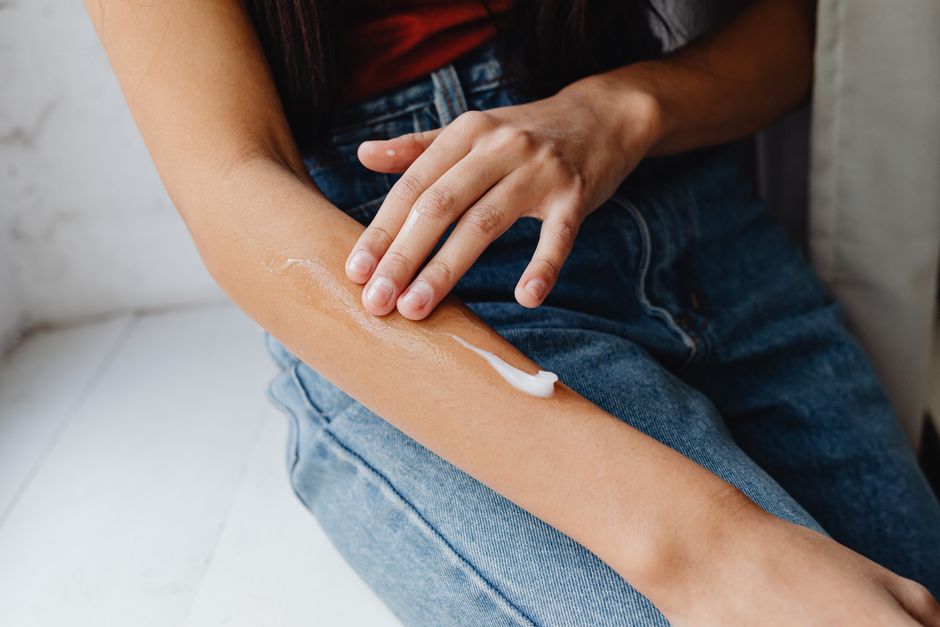
Your skin is a sensory organ, but sometimes that connection feels dull. You want to feel a gentle breeze or a partner’s touch more intensely. The direct answer is that you can increase skin sensitivity by improving nerve health, changing your skincare routine, and practicing specific touch-based exercises. It is not about making your skin thinner or more fragile. It is about training your brain to pay more attention to the signals your skin already sends.
What Actually Controls Skin Sensitivity?
Your skin has specialized nerve endings called mechanoreceptors. These detect pressure, vibration, and texture. They send signals to your brain, which interprets them as touch. Sensitivity is not just about the skin itself. It is about how well those nerves function and how much attention your brain gives them.
Several factors can dull this system. Aging naturally reduces nerve density. Some medications, like certain antidepressants or blood pressure drugs, can also lower sensitivity. Chronic conditions like diabetes or vitamin B12 deficiency damage nerves over time. The National Institutes of Health reports that about 20 million Americans have some form of peripheral nerve damage, which directly reduces touch sensitivity.
There is no single pill or cream that magically restores youthful sensitivity. But research shows you can improve how your nerves communicate with your brain. The process takes weeks, not days.
How To Make Your Skin More Sensitive To Touch With Daily Habits
Your brain learns to ignore constant stimulation. This is called sensory adaptation. If you wear a watch, you stop feeling it after a few minutes. The same principle applies to your skin overall. To increase sensitivity, you need to break that adaptation cycle.
Start with a simple practice called texture exposure. Each day, take two minutes to run your fingers over different surfaces. A rough towel, a smooth stone, a soft piece of velvet, a cool metal spoon. Close your eyes and focus entirely on what you feel. Research published in the journal Neuron found that focused attention on touch stimuli increases cortical representation in the brain. In plain language, paying close attention to texture literally rewires your brain to feel more.
Another effective habit is dry brushing. Use a soft-bristled brush before showering. Brush in long strokes toward your heart. This stimulates the nerve endings and increases blood flow to the skin surface. A 2019 study in the Journal of Clinical and Aesthetic Dermatology noted that dry brushing temporarily increases skin sensitivity by activating mechanoreceptors. Do it for two to three minutes, no more. Overbrushing can irritate the skin and have the opposite effect.
What Skincare Products Help or Hurt Sensitivity
Your skincare routine can either support nerve function or suppress it. Thick layers of moisturizer can actually reduce sensitivity. They create a barrier between your skin and the environment. Think of it like wearing thick gloves. You feel less because there is a buffer.
If you want more sensitivity, use lighter products. A simple water-based lotion or a thin layer of squalane oil is enough to keep skin healthy without dulling sensation. Avoid heavy creams with silicones, dimethicone, or petrolatum. These ingredients are designed to create a protective film. That film blocks fine touch.
Exfoliation can help, but only if done correctly. Removing dead skin cells exposes the nerve endings closer to the surface. Use a gentle chemical exfoliant like lactic acid or mandelic acid once or twice a week. Avoid harsh physical scrubs with walnut shells or microbeads. These can cause micro-tears that inflame the skin and actually lower sensitivity over time.
One non-obvious insight: vitamin B12 is critical for nerve health. A deficiency directly reduces touch sensitivity. The CDC reports that about 6% of adults under 60 have low B12 levels, and that number jumps to 20% for those over 60. If your skin feels numb or dull, ask your doctor to check your B12. A simple blood test can rule this out.





Does Temperature Training Increase Skin Sensitivity?
Some people report that alternating hot and cold showers makes their skin more responsive. The evidence here is weaker but worth knowing. A 2020 review in Temperature journal found that cold exposure can increase nerve firing rates temporarily. The effect lasts about 30 to 60 minutes after exposure.
Here is the practical approach. End your shower with 30 seconds of cool water. Not ice cold. Just cool enough to feel a clear temperature change. This stimulates the TRPM8 receptors in your skin, which are linked to touch sensation pathways. Do this consistently for two weeks and see if you notice a difference.
Be careful with extreme temperatures. Very hot water can damage nerve endings. Very cold water can cause vasoconstriction that reduces blood flow to the skin. Neither helps long-term sensitivity. Mild temperature variation is the sweet spot.
What Research on Touch Sensitivity Shows
The most relevant research comes from studies on sensory rehabilitation. This is used for people who have lost sensation after nerve injury. The principles apply to anyone wanting to improve sensitivity.
A 2018 study published in Journal of Neuroscience tested a method called sensory discrimination training. Participants had to identify different textures and shapes by touch alone, with their eyes closed. After eight weeks, their touch sensitivity improved by 40% on average. Brain scans showed increased activity in the somatosensory cortex. The brain had literally rewired itself to process touch more carefully.
Another study from the University of California, San Diego found that mindfulness meditation increased tactile acuity. Participants who meditated for 20 minutes a day for six weeks could detect finer differences in texture compared to a control group. The researchers suggested that meditation reduces the brain’s “noise” and allows touch signals to come through more clearly.
This is why most commercial products promising instant sensitivity are overhyped. No cream or device can rewire your brain in one application. The real work is training your attention.
| Method | Time to Notice Effect | Strength of Evidence |
|---|---|---|
| Texture exposure (focused touch) | 2-4 weeks | Strong – multiple clinical studies |
| Dry brushing | Immediate, temporary | Moderate – small studies |
| Temperature variation | Immediate, short-lived | Weak – limited research |
| Mindfulness meditation | 4-6 weeks | Strong – peer-reviewed trials |
| Vitamin B12 correction | 2-4 weeks if deficient | Strong for deficiency cases |
What To Avoid If You Want More Sensitive Skin
Some common habits actively reduce skin sensitivity. The biggest one is over-moisturizing. Applying thick creams multiple times a day keeps your skin from experiencing normal environmental touch. Your brain adapts to the constant cream layer and dials down its attention to touch signals.
Another mistake is using numbing or desensitizing products. Some people use topical lidocaine or benzocaine for pain or itch relief. These directly block nerve signals. Regular use can make your nerves less responsive to normal touch. If you are trying to increase sensitivity, avoid anything with “caine” ingredients.
Smoking is one of the worst things for skin sensitivity. Nicotine constricts blood vessels and reduces oxygen flow to peripheral nerves. The American Lung Association reports that smokers have significantly lower tactile sensitivity compared to non-smokers. Quitting can reverse some of this damage within weeks.
Finally, do not try to make your skin physically thinner. Some online advice suggests using strong retinoids or chemical peels to thin the outer skin layer. This is dangerous. Thinning the skin exposes nerve endings to injury and can cause permanent damage. Healthy skin has a normal thickness. The goal is better nerve function, not thinner skin.
Common Misconceptions About Skin Sensitivity
Many people believe that more sensitive skin means more reactive skin. That is not true. Sensitive skin in the sensory sense means you can feel light touch. Reactive skin means you get red, itchy, or inflamed from products or environmental triggers. You can have highly sensitive touch perception without having reactive skin. They are separate systems.
Another myth is that you can permanently increase sensitivity with a single treatment. No laser, peel, or injection has been proven to permanently increase touch sensitivity in healthy skin. The improvements from training and habit changes are real but require ongoing practice. If you stop, your brain will gradually go back to its baseline.
Some people think that shaving or waxing makes skin more sensitive because hair follicles have nerve endings. This is partially true. Removing hair does expose the follicle nerve endings more directly. But the effect is very small and temporary. It lasts a few hours at most. It is not a meaningful way to increase overall skin sensitivity.
Frequently Asked Questions
Can you make your skin more sensitive to touch permanently?
No permanent change is possible without ongoing practice. Your brain adapts to whatever stimulation it receives regularly.
Does dry brushing actually increase skin sensitivity?
Yes, temporarily. Dry brushing stimulates mechanoreceptors and increases blood flow, which can heighten sensitivity for a few hours.
What vitamin deficiency causes low skin sensitivity?
Vitamin B12 deficiency is the most common cause. Low B12 damages peripheral nerves and reduces touch sensation.
How long does it take to improve skin sensitivity?
With consistent sensory training and attention exercises, most people notice improvement within two to four weeks.
