
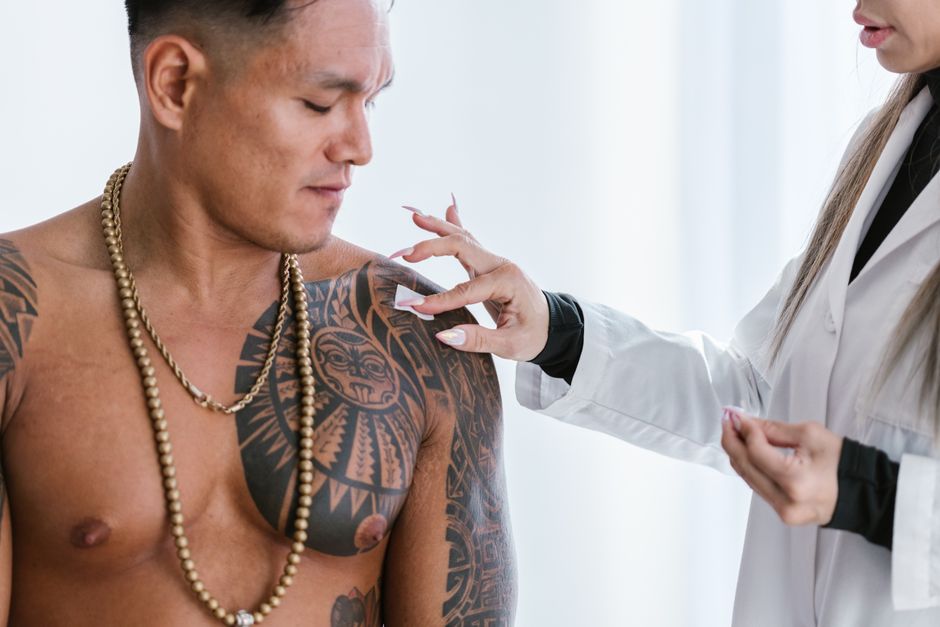
Aquaphor is one of the most common products people reach for when they get a new tattoo. It can work well for tattoo aftercare, but it is not the best choice for every stage of healing, and using too much can cause problems. Aquaphor is a good option during the early healing phase when the skin is open and needs a protective barrier, but many artists now recommend lighter, tattoo-specific ointments or fragrance-free lotions instead. If you use it, the key is a very thin layer, applied only after washing, and only for the first few days.
Is Aquaphor Good For A Tattoo?
Aquaphor is a petroleum-based ointment, and petroleum jelly has a long history in wound care because it holds moisture in and keeps outside irritants out. That basic function is useful for a fresh tattoo, which is essentially a controlled wound in the upper layer of skin.
Whether it is “good” depends on how you use it and when. Used correctly — a thin layer, on clean skin, for a short period — it can support early healing. Used heavily or for too long, it can clog pores, trap bacteria, and interfere with the skin’s natural shedding process. That is the honest middle ground. Aquaphor is not a miracle product, and it is not dangerous either. It is a tool that works when used with some care.
Many professional tattoo artists still recommend it. Others have moved toward lighter products. Both approaches can produce good results, which tells you the product matters less than the technique.
What Is Aquaphor and What Does It Do?
Aquaphor Healing Ointment is a water-free, petroleum-based ointment. Its main ingredient is petrolatum, often called petroleum jelly. It also contains mineral oil, ceresin, lanolin alcohol, panthenol, glycerin, and bisabolol.
Petrolatum works as an occlusive agent. That means it forms a physical barrier on the skin’s surface. It does not add much water to the skin on its own. Instead, it slows water from escaping, which keeps the skin underneath from drying out. This is why it is used for minor cuts, burns, and cracked skin.
Panthenol and glycerin are added for mild moisture-attracting and soothing properties. Lanolin alcohol is a common skin conditioner. None of these ingredients are unique to tattoo healing, and none are specifically designed for it.
One clarification worth knowing: petroleum jelly is not “suffocating” the skin in a harmful way when used in a thin layer. Skin does not breathe through its surface the way lungs do. The real risk with heavy application is trapping moisture and bacteria, not cutting off oxygen.
Pros and Cons of Using Aquaphor on a Tattoo
Here is a balanced look at what it does well and where it falls short.
Pros
- Creates a strong barrier that helps hold moisture in the healing skin
- Widely available and affordable
- Fragrance-free, which matters because fragrance can irritate a fresh tattoo
- Recommended by many experienced tattoo artists
- Thick enough that a small amount goes a long way
Cons
- Easy to apply too much, which can clog pores and trap bacteria
- Heavy texture can feel greasy and may stain clothing or bedding
- Contains lanolin alcohol, which some people are allergic or sensitive to
- Not formulated specifically for tattoos
- Can slow the natural peeling and flaking stage if applied too thickly
The biggest practical problem is overuse. A thick layer does not heal a tattoo faster. It creates a wet, occlusive environment that bacteria can thrive in.





How to Use Aquaphor on a Tattoo
The method matters more than the product. Here is the general approach that most artists and aftercare guidance describe.
Wait until your artist tells you to start. Many artists apply their own bandage or wrap and give you specific instructions. Follow those first. If your artist does not give instructions, a common approach is to begin after the initial bandage comes off, often within the first day.
Wash your hands first. Then gently wash the tattoo with lukewarm water and a small amount of fragrance-free, mild soap. Pat it dry with a clean paper towel. Do not rub.
Apply a very thin layer of Aquaphor. “Thin” means you can barely see it — just a light sheen, not a visible coating. A dab the size of a pea is enough for a palm-sized area. Blot off any excess with a clean paper towel.
Do this two to three times a day for the first few days. After roughly three to five days, many artists suggest switching to a lighter, fragrance-free moisturizer or lotion as the tattoo begins to peel. Continue moisturizing for a couple of weeks as the skin finishes healing.
Stop using Aquaphor if you notice increased redness, swelling, warmth, or pus. Those are signs of possible infection and need medical attention, not more ointment.
When Should You Avoid Aquaphor?
Aquaphor is not right for everyone. If you have a known allergy or sensitivity to lanolin, petrolatum, or any ingredient in the product, do not use it. A patch test on a small area of normal skin before your tattoo is a reasonable precaution.
People with very oily or acne-prone skin sometimes find heavy ointments cause breakouts around the tattoo. In that case, a lighter product may be more comfortable.
If your tattoo shows signs of infection — spreading redness, swelling, heat, pus, or fever — stop applying ointment and contact a healthcare provider. Do not try to treat an infection with more Aquaphor.
Also avoid using it on a tattoo that is already fully healed. Once the skin has closed and the peeling stage is done, a normal moisturizer is enough. There is no benefit to keeping a healed tattoo coated in petroleum jelly.
Alternatives to Aquaphor for Tattoo Aftercare
Aquaphor is one option among several. Here is how it compares to other common choices.
| Product Type | Texture | Typical Use | Notes |
|---|---|---|---|
| Petroleum-based ointment (Aquaphor) | Heavy, occlusive | First few days | Strong barrier; easy to overapply |
| Tattoo-specific ointment | Medium | First week | Formulated for tattoos; varies by brand |
| Fragrance-free lotion | Light | After peeling starts | Good for the later healing stage |
| Plain petroleum jelly | Very heavy | First few days | Similar function; fewer added ingredients |
There is no strong evidence that any one of these heals tattoos faster or better than the others. What matters most is keeping the area clean, lightly moisturized, and protected from sun and irritation. Tattoo-specific products are popular, but many of their added botanical ingredients have little clinical research behind them for wound healing.
The Bottom Line on Aquaphor and Tattoos
Aquaphor can be a reasonable choice for the first few days of tattoo healing when applied in a thin layer to clean skin. Its petroleum base helps hold moisture in and keep irritants out. The main risks come from using too much or using it for too long.
Follow your artist’s instructions first, since they know your specific tattoo and how it was done. If you are unsure whether a product is right for you, ask. And if anything looks infected, see a healthcare provider rather than adjusting your ointment routine.
Frequently Asked Questions
Is Aquaphor good for tattoos?
Aquaphor can work well for the first few days of healing when applied in a very thin layer to clean skin. It is less ideal for later stages, when a lighter moisturizer is usually better.
How often should I apply Aquaphor to a new tattoo?
Most guidance suggests applying a thin layer two to three times a day for the first few days, after gently washing the tattoo. Always follow your tattoo artist’s specific instructions if they differ.
Can Aquaphor ruin a tattoo?
Aquaphor will not ruin a tattoo when used correctly, but applying too much can clog pores, trap bacteria, and irritate the skin. Overuse is the main problem, not the product itself.
How long should I use Aquaphor on a tattoo?
Many artists recommend using it for about three to five days, then switching to a lighter, fragrance-free lotion as the tattoo begins to peel. Stop sooner if you notice signs of irritation or infection.
