
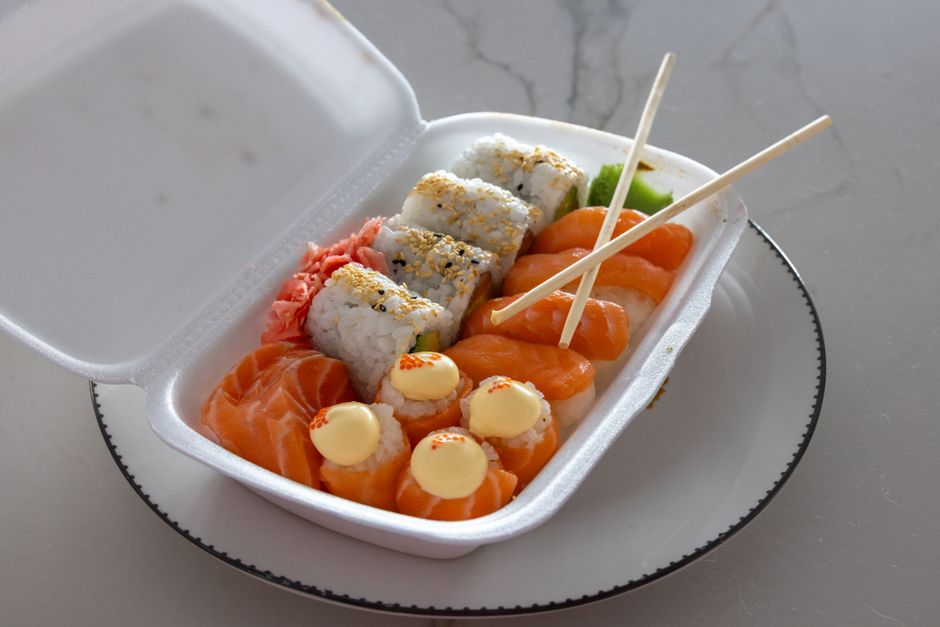
Sushi is often seen as a light, healthy meal. But the fat content varies wildly depending on what you order. A simple piece of salmon nigiri has a very different fat profile than a spicy tuna roll loaded with mayo. Here are the key facts: plain fish nigiri and sashimi are naturally low in fat, with most of that fat being healthy omega-3s. However, many popular rolls are not low-fat at all because of added sauces, fried tempura, and cream cheese.
How Much Fat Is In Sushi Rolls Nigiri More? Key Facts by Type
The fat in sushi comes from three main places: the fish itself, the rice, and the added ingredients. The fish is where the healthy fats live. The rice is mostly carbohydrate with a tiny amount of fat. The added ingredients—mayonnaise, cream cheese, tempura batter, and drizzled sauces—are where the fat content can spike dramatically.
Here is a breakdown of what you are actually eating when you order different types of sushi:
- Sashimi (plain sliced fish): The lowest fat option. Just the fish and nothing else. A 3-ounce serving of salmon contains about 7 grams of fat, mostly unsaturated. Tuna is leaner, with about 1 gram of fat per 3 ounces.
- Nigiri (fish over rice): Adds a small amount of rice. The fat content remains close to the fish alone because the rice contributes less than 1 gram of fat per piece.
- Maki rolls (seaweed outside, rice and filling inside): This is where the range gets wide. A simple cucumber or avocado roll is low in fat. A roll with tempura shrimp or spicy mayo can contain 15 to 25 grams of fat per roll.
- Specialty rolls: These are the highest-fat options. They often include multiple sauces, fried elements, and cream cheese. A single specialty roll can contain more fat than a fast-food burger.
The key takeaway is that sushi is not automatically healthy. It depends entirely on the ingredients in the roll.
Which Fish Are Highest and Lowest in Fat?
Fish fat is mostly unsaturated, meaning it is the type of fat linked to heart health. But the amount varies by species.
Fatty fish are the stars of the omega-3 world. Salmon, mackerel, and yellowtail (hamachi) are the highest in fat. A 3-ounce piece of farmed Atlantic salmon has about 11 grams of fat. Mackerel is similar. These fats are the reason fish is recommended in heart-healthy diets.
Lean fish are much lower in fat. Tuna, snapper, and halibut are examples. A 3-ounce piece of tuna has about 1 gram of fat. You still get protein, but you miss out on the omega-3s that fatty fish provide.
Shrimp and crab are also very low in fat. Imitation crab, which is common in California rolls, is made from white fish and starch. It is low in fat but also low in the beneficial omega-3s found in fatty fish.
If you want the health benefits of fish fat, choose salmon, mackerel, or yellowtail. If you are watching total fat intake, choose tuna or snapper.
Why Some Rolls Are Much Higher in Fat Than Others
The fish is rarely the problem. The problem is what gets added to the roll.
Spicy mayo is one of the biggest culprits. It is typically made of mayonnaise and sriracha. Mayonnaise is almost pure oil. A single tablespoon of regular mayonnaise contains about 11 grams of fat. A roll with a generous drizzle of spicy mayo can easily add 20 grams of fat before you even count the fish.
Tempura is the second major source. Tempura batter is flour and water, but it is deep-fried. The frying process adds significant oil. A tempura shrimp roll adds several grams of fat just from the fried coating.
Cream cheese is another hidden source. Philadelphia rolls and other cream cheese-based rolls add about 10 grams of fat per ounce of cream cheese. This is mostly saturated fat, which is the type you want to limit.
Sweet sauces like eel sauce are lower in fat but high in sugar. They do not add much fat, but they add calories. A roll can easily have 300 to 500 calories and 20 grams of fat when you combine these ingredients.
Some research suggests that people underestimate the calorie and fat content of sushi because it is perceived as healthy. A single specialty roll can contain as many calories as a full meal.





How to Estimate Fat Content When Ordering
You do not need to memorize every roll’s nutrition facts. You just need to know what to look for.
Ask for sauce on the side. This gives you control over how much you add. A roll with sauce on the side can have half the fat of the same roll with sauce already drizzled on top.
Choose rolls with simple ingredients. A tuna roll, salmon roll, or cucumber roll are low-fat options. They contain fish, rice, and seaweed. Nothing else.
Look for the word “crispy” or “crunchy.” These usually mean fried. Spicy crunch rolls, crispy shrimp rolls, and similar names are high in fat from the frying oil.
Be careful with avocado. Avocado is a healthy fat, but it is still fat. A half avocado contains about 15 grams of fat. Avocado rolls are not low-fat, even though the fat is the unsaturated kind.
Brown rice is not a lower-fat option. Brown rice has slightly more fat than white rice, but the difference is less than 1 gram per serving. Choosing brown rice changes the fiber content, not the fat content.
What About Omega-3 Fatty Acids?
The fat in fish is not the same as the fat in mayonnaise. This distinction matters.
Omega-3 fatty acids are polyunsaturated fats. They are called essential because your body cannot make them. You must get them from food. Research consistently shows that omega-3s from fish are linked to lower risk of heart disease.
The American Heart Association recommends eating fish, particularly fatty fish, at least two times per week. Sushi is a convenient way to get this fish intake.
However, the omega-3 benefit can be undone by the unhealthy fats in the sauces. If you eat a spicy salmon roll with extra mayo, you are getting omega-3s from the salmon but also getting a large dose of oil from the mayonnaise. The net effect on your heart health is unclear.
For maximum benefit, choose nigiri or sashimi made from fatty fish. This gives you the omega-3s without the added sauces.
Is Sushi Fat Healthy Fat?
This is the most common question people ask. The answer is that it depends on the roll.
The fat in the fish is healthy. It is unsaturated and contains omega-3s. The fat in the rice is negligible. The fat in avocado is healthy. It is monounsaturated, the same type of fat found in olive oil.
The fat in mayonnaise, cream cheese, and fried tempura is not in the same category. Mayonnaise is usually made with soybean oil. Cream cheese is high in saturated fat. Fried foods contain trans fats and oxidized oils depending on the oil used and how long it has been heated.
So a salmon nigiri roll has healthy fat. A spicy tuna roll with extra mayo has a mix of healthy fat from the tuna and less healthy fat from the mayo. A tempura shrimp roll with cream cheese has mostly unhealthy fat.
The evidence does not support the idea that all sushi fat is good fat. The source of the fat matters as much as the amount.
Practical Tips for Lower-Fat Sushi Choices
If you want to enjoy sushi while keeping fat intake moderate, these choices are the most reliable:
- Order sashimi or nigiri instead of rolls. This removes the sauces and fried elements entirely.
- Choose rolls with a single simple filling like tuna, salmon, or cucumber.
- Ask for no spicy mayo. Request regular soy sauce, wasabi, and pickled ginger instead.
- Avoid rolls with “crunch,” “crispy,” “tempura,” or “spicy” in the name.
- Limit yourself to one specialty roll and balance it with a simple roll or sashimi.
These tips do not require you to give up sushi. They just help you make informed choices.
What About Reduced-Fat Sushi Options at Grocery Stores?
Packaged sushi from grocery stores is a different situation. These products often have nutrition labels, which makes it easier to compare.
Check the label for total fat and saturated fat. A single packaged roll can range from 3 grams of fat to over 20 grams. The label will tell you exactly what you are getting.
Be aware that packaged sushi often comes with soy sauce and wasabi. These add sodium but not fat. The fat is in the roll itself.
Some grocery store sushi is made with less sauce than restaurant versions. Others use more. The only way to know is to read the label.
Frequently Asked Questions
Is sushi high in fat?
Plain fish sushi like nigiri and sashimi is low in fat. Rolls with mayonnaise, cream cheese, or fried tempura can be high in fat.
Which sushi roll has the least fat?
A simple tuna roll or cucumber roll has the least fat, usually around 2 to 5 grams per roll. These contain only fish, rice, and seaweed.
Is the fat in sushi healthy?
The fat in fish and avocado is healthy unsaturated fat. The fat in mayonnaise, cream cheese, and fried coatings is not considered healthy in the same way.
How much fat is in a salmon avocado roll?
A salmon avocado roll typically contains around 10 to 15 grams of fat. Most of this comes from the avocado and the salmon, which are both sources of unsaturated fat.
