
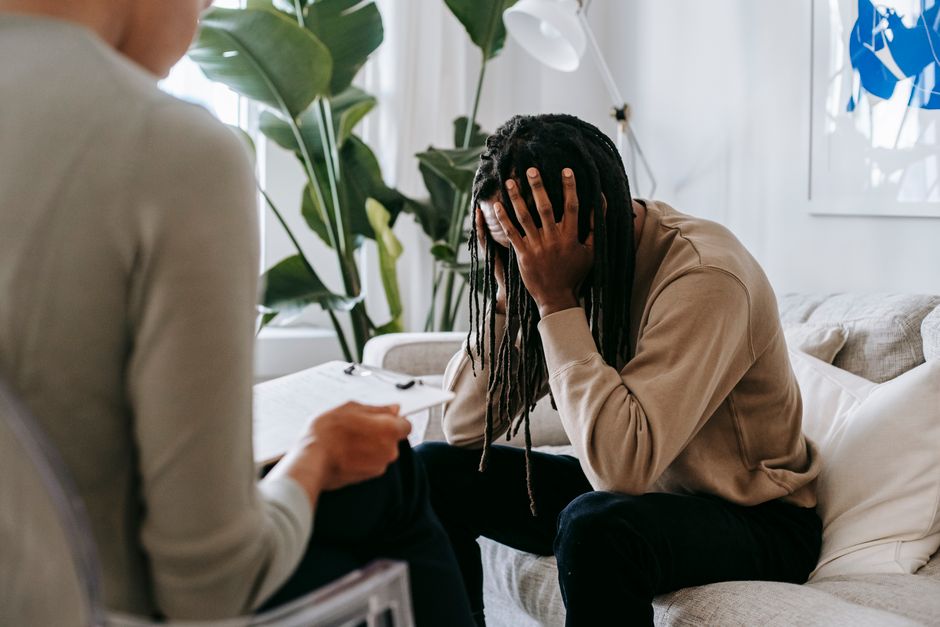
Social anxiety can make everyday situations feel overwhelming, but there are real, practical steps you can take to manage it. The most effective approach combines gradual exposure to feared situations, learning to challenge anxious thoughts, and practicing calming techniques that help your body settle. Start with small, manageable goals, be consistent, and remember that improvement is a process, not an overnight change.
What Is Social Anxiety and Why Does It Happen?
Social anxiety is more than just feeling shy. It is an intense, persistent fear of being watched, judged, or evaluated by others. People with social anxiety often worry they will do something embarrassing or that others will notice their anxiety.
This fear is rooted in the brain’s threat detection system. When you enter a social situation, your brain signals danger, which triggers a physical response. Your heart beats faster, your palms sweat, and your breathing becomes shallow. This is the fight-or-flight response, and while it is helpful in real danger, it is not helpful when you are simply giving a presentation or making small talk.
The good news is that this response can be managed. The brain is capable of learning new patterns, and with practice, social situations can feel less threatening over time.
What To Do If You Have Social Anxiety Real Steps
The most proven approach for social anxiety is gradual exposure. This means facing feared situations in a structured, step-by-step way rather than avoiding them. Avoidance feels good in the moment but reinforces the anxiety over time. Exposure does the opposite — it teaches your brain that the situation is not as dangerous as it feels.
Start by making a list of social situations that cause you anxiety. Rank them from least to most frightening. Then work through the list, starting with the easiest. For example, if making eye contact is hard, practice it for a few seconds with a cashier. If speaking in meetings is terrifying, start by asking one small question.
Stay in each situation long enough for your anxiety to naturally decrease. This usually takes several minutes. If you leave too quickly, your brain learns that leaving was what made you feel better, which reinforces the fear. Each time you stay, you are building evidence that you can handle the situation.
It is also helpful to practice relaxation techniques before and during exposure. Slow, deep breathing can lower your heart rate and reduce physical symptoms. Try breathing in for four counts, holding for four, and breathing out for six. This activates the body’s calming response and makes it easier to stay in the moment.
How To Challenge Anxious Thoughts
Anxious thoughts are often distorted. People with social anxiety tend to overestimate how noticeable their anxiety is and how negatively others will judge them. This is sometimes called the spotlight effect — the feeling that everyone is watching you when they are not.
One practical way to challenge these thoughts is to ask yourself three questions. First, what evidence do I have that this thought is true? Second, what evidence do I have that it is not true? Third, what would I tell a friend who had this same thought?
Another technique is to test your predictions. Before a social situation, write down what you think will happen. For example, “People will notice I am nervous and think I am weird.” After the situation, review what actually happened. Most people find that their predictions were worse than reality. This builds evidence against the anxious thought and makes it easier to challenge next time.
It is important to note that this is not about positive thinking. It is about accurate thinking. The goal is not to tell yourself everything will be perfect. The goal is to recognize that your anxious predictions are often exaggerated and that you can cope with discomfort.




Can Therapy and Medication Help?
Cognitive behavioral therapy, or CBT, is the most well-studied treatment for social anxiety. CBT helps you identify the thoughts and behaviors that keep anxiety going and replace them with healthier patterns. It typically includes exposure exercises and can be done individually or in a group setting.
Some people also benefit from medication. Selective serotonin reuptake inhibitors, or SSRIs, are commonly prescribed for social anxiety. They work by increasing serotonin levels in the brain, which can reduce anxiety over time. These medications take several weeks to work and are not a quick fix.
Beta-blockers are another option. They reduce the physical symptoms of anxiety, such as a racing heart and trembling hands. Doctors sometimes prescribe them for specific situations, like public speaking, rather than for daily use. They do not address the underlying thoughts, but they can make it easier to get through a challenging event.
If you are considering medication, talk to a doctor or psychiatrist. They can help you weigh the benefits and risks based on your specific situation. Never start or stop medication without medical supervision.
What Lifestyle Habits Support Recovery
Regular exercise has a measurable effect on anxiety. Physical activity releases endorphins, which improve mood, and it also burns off the excess adrenaline that fuels anxious feelings. Even a 20-minute walk can make a difference. Exercise is not a replacement for treatment, but it is a strong complement.
Sleep matters too. Poor sleep makes the brain more reactive to threats and less able to regulate emotions. Most adults need seven to nine hours of sleep per night. If anxiety keeps you awake, try a consistent bedtime routine and avoid screens in the hour before bed.
Caffeine can worsen anxiety symptoms. It increases heart rate and can trigger the same physical sensations as a panic response. If you notice that coffee or energy drinks make your anxiety worse, consider reducing your intake or switching to decaf. Alcohol can also be problematic. It may reduce anxiety in the moment, but it often increases it the next day as the body processes it.
When To Seek Professional Support
If social anxiety is interfering with your work, relationships, or daily life, it is worth seeking professional help. This is especially true if you are avoiding important activities, feeling depressed, or using alcohol or drugs to cope with social situations.
A primary care doctor can be a good starting point. They can screen for anxiety, rule out other conditions, and refer you to a mental health specialist. Psychologists and licensed therapists can provide CBT and other evidence-based treatments. Psychiatrists can prescribe medication if needed.
There is no shame in seeking help. Social anxiety is a medical condition, not a personal weakness. Treatment is effective, and many people see significant improvement within a few months of starting therapy or medication. If you are in crisis or having thoughts of self-harm, contact a crisis line or go to an emergency room immediately.
Frequently Asked Questions
How long does it take to overcome social anxiety?
Most people see noticeable improvement within 8 to 12 weeks of consistent therapy or structured self-help. Full recovery takes longer and varies by individual, but the skills you learn continue to build over time.
Can social anxiety go away on its own?
Social anxiety rarely disappears without active effort because avoidance tends to reinforce the fear. With consistent practice and the right strategies, symptoms can reduce significantly or even resolve completely.
Is social anxiety the same as being an introvert?
No. Introversion is a personality trait, while social anxiety is a fear-based condition. Introverts may enjoy solitude, but they do not necessarily fear social situations. Someone with social anxiety wants to connect but feels intense fear about doing so.
What is the fastest way to calm down before a social event?
Slow breathing is the quickest physical intervention. Breathe in for four counts, hold for four, and exhale for six. This activates the body’s relaxation response and can reduce symptoms within a few minutes.
