
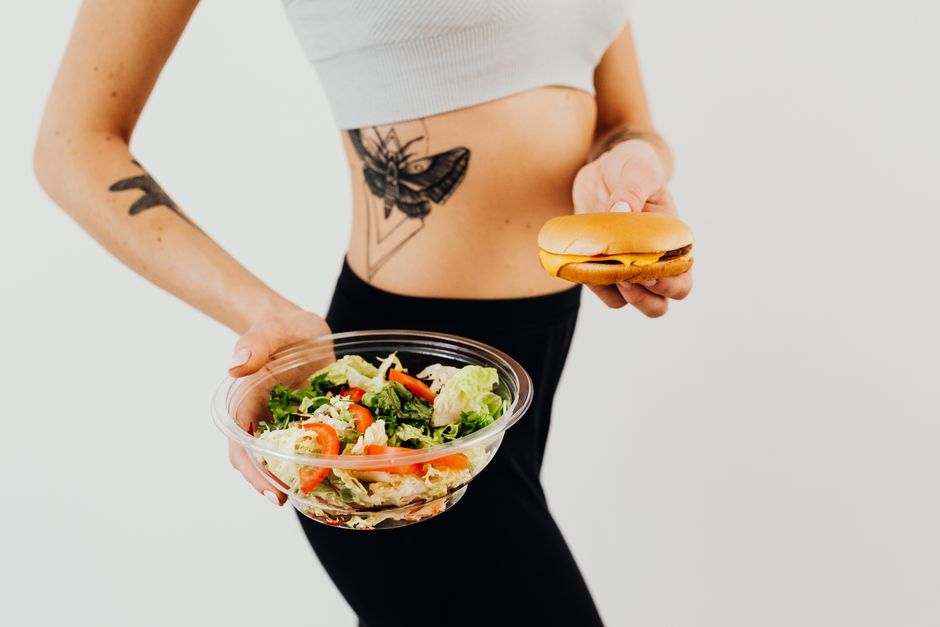
Most fast food is processed, but not all of it fits the same definition. The word “processed” covers a wide range, from lightly prepared items to heavily manufactured ones. A grilled chicken filet and a chicken nugget are both fast food, but they are not processed to the same degree. Understanding the difference matters for making informed choices.
Is All Fast Food Processed Not Exactly Heres Why
No, not all fast food is processed in the same way. The term “processed food” includes anything changed from its original state, which means even washing and cutting vegetables counts as processing. However, the concern for health is usually about ultra-processed foods, which contain ingredients you would not typically find in a home kitchen.
Fast food restaurants use processed ingredients for consistency, speed, and cost control. But a plain grilled chicken sandwich, a side salad, or a baked potato is far less processed than a breaded and fried chicken sandwich with special sauce. The processing spectrum matters more than the simple label.
What Does Processed Food Actually Mean?
Food processing exists on a spectrum. The NOVA classification system, used by nutrition researchers, sorts foods into four groups. Group 1 is unprocessed or minimally processed food like fresh fruit, vegetables, and raw meat. Group 2 includes culinary ingredients like salt, sugar, and oil. Group 3 is processed food, which combines groups 1 and 2, such as canned vegetables or freshly baked bread.
Group 4 is ultra-processed food. These products undergo industrial processes and contain additives like preservatives, artificial colors, flavors, and emulsifiers. Many fast food items fall into this category, but not all of them do. A grilled chicken breast with a simple seasoning blend is closer to group 1 or 3, depending on how it is prepared.
Which Fast Food Items Are Least Processed?
Some fast food menu items are minimally processed. Grilled meats, plain vegetables, and basic salads are the closest to whole foods. A grilled chicken sandwich without sauce, a side of apple slices, or a plain baked potato are relatively unprocessed options.
Even these items may have some processing. The chicken may be marinated or injected with a salt solution. The apple slices might have a preservative to prevent browning. But these are still far less processed than items like chicken nuggets, which contain reformed meat mixed with binders and additives.
Some research suggests that diets high in ultra-processed foods are linked to higher calorie intake and weight gain. A study published in Cell Metabolism found that people ate more calories when their diet consisted of ultra-processed foods compared to unprocessed foods, even when meals were matched for calories, sugar, fat, and fiber.





How Much Processing Happens in Fast Food Preparation?
Fast food restaurants rely on centralized food production. Many items arrive at the restaurant pre-made or partially prepared. Buns are baked off-site. Sauces come in bags. Meat patties are formed at processing plants. This system creates consistency across thousands of locations.
Some cooking does happen in the restaurant. Grilling, frying, and assembling occur on-site. But the raw ingredients themselves often undergo significant processing before they arrive. The level of processing depends on the specific ingredient and the restaurant’s supply chain.
For example, a hamburger patty may be ground beef with nothing added, or it may contain fillers and preservatives depending on the chain. Some chains advertise “100% beef” patties, meaning no other ingredients are added. Others use patties with additives to improve texture and shelf life.
What Makes Ultra-Processed Fast Food Different?
Ultra-processed fast food contains ingredients you would not use at home. Common additives include:
- Emulsifiers to blend water and oil that would normally separate
- Preservatives to extend shelf life
- Artificial colors to create a consistent appearance
- Flavor enhancers like monosodium glutamate (MSG)
- Sugars and syrups in unexpected places like buns and sauces
These ingredients serve a purpose in commercial food production. They keep products stable, safe, and consistent. But they also change how the food affects your body. Ultra-processed foods are often softer and easier to eat quickly, which may lead to faster eating and reduced fullness signals.
Some research indicates that ultra-processed foods may affect appetite-regulating hormones differently than unprocessed foods. The exact mechanisms are still being studied, but the evidence points toward these foods being easier to overconsume.
Is Fast Food Nutritionally Different from Other Processed Food?
Fast food is not categorically different from other processed food. A frozen pizza from the grocery store and a fast food pizza share similar processing levels and nutritional profiles. The distinction between “fast food” and “processed food” is more about where you eat it than what is in it.
What makes fast food uniquely challenging is the combination of factors. Fast food meals often pair high-calorie items with sugary drinks and large portion sizes. The convenience and low cost encourage frequent consumption. But the processing level itself is similar to many grocery store convenience foods.
Nutritional quality varies widely across fast food menus. A grilled chicken salad with light dressing can be a reasonable meal. A double cheeseburger with large fries and a soda is a different story. The processing level and the nutritional content do not always align perfectly.
How to Identify Less Processed Fast Food Options
Reading fast food nutrition information is the most reliable way to understand what you are eating. Most chains publish ingredient lists and allergen information online. Look for items with shorter ingredient lists and ingredients you recognize.
Some practical strategies for choosing less processed fast food:
- Choose grilled or baked items over breaded and fried ones
- Ask for sauces and dressings on the side
- Select water, unsweetened tea, or diet drinks instead of sugary sodas
- Look for fruit or vegetable sides instead of fries
- Check if the menu lists calorie counts or ingredient information
These choices do not make fast food whole food. They simply move you toward the less processed end of the spectrum. A grilled chicken sandwich is still a restaurant-prepared meal with added sodium, but it is less processed than a fried and breaded option.
Does Processing Level Matter for Health?
Evidence increasingly suggests that ultra-processed food consumption is associated with poorer health outcomes. Some studies link high intake of ultra-processed foods to increased risk of obesity, type 2 diabetes, and cardiovascular disease. However, these studies are observational, meaning they show associations rather than proof of causation.
The research on ultra-processed foods is still developing. Some scientists argue that the processing level itself is harmful, while others believe the nutrient profile matters more. A highly processed food that is high in fiber and protein may be better than a minimally processed food that is mostly sugar and refined starch.
What is clear is that many fast food items are high in sodium, saturated fat, and added sugar regardless of processing level. These nutrients are linked to health problems when consumed in excess. Reducing frequency of fast food consumption and choosing less processed options when you do eat out are both reasonable strategies.
Frequently Asked Questions
Is all fast food ultra-processed?
No. Some fast food items like grilled chicken, plain salads, and fruit sides are minimally processed. The majority of fast food menu items, especially breaded and fried options, are ultra-processed.
What is the difference between processed and ultra-processed food?
Processed food has been changed from its original state, like canned beans or baked bread. Ultra-processed food undergoes industrial processing and contains additives like preservatives, artificial colors, and emulsifiers that you would not find in a home kitchen.
Can fast food be part of a healthy diet?
Occasional fast food can fit into a balanced diet if you choose less processed options and watch portion sizes. Regular consumption of fast food is linked to higher intake of sodium, saturated fat, and added sugar.
Are frozen meals from the grocery store healthier than fast food?
Not necessarily. Many frozen meals are ultra-processed and contain similar levels of sodium and additives as fast food. The healthiest choice depends on the specific ingredients and nutrient content of each product.
