
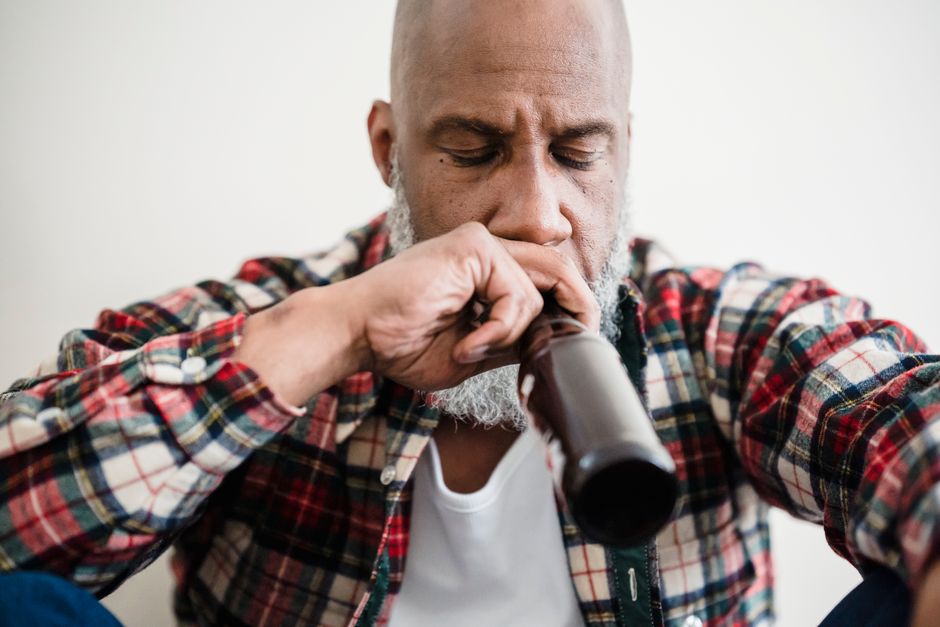
Alcoholism is a mental disorder. The medical community classifies it as a mental health condition, specifically a substance use disorder. It is not a moral failing or a simple lack of willpower. This article explains why it is classified this way, what causes it, and how it is treated.
Why Is Alcoholism Considered A Mental Disorder?
Alcoholism changes how the brain works. Over time, heavy drinking alters the brain’s chemistry and structure. These changes affect judgment, impulse control, and the ability to manage stress.
The American Psychiatric Association publishes the Diagnostic and Statistical Manual of Mental Disorders, or DSM-5. This manual lists alcohol use disorder as a diagnosable mental health condition. The World Health Organization also classifies it as a disorder in its International Classification of Diseases.
This classification matters. It means alcoholism is a legitimate medical condition, not a character flaw. It also means people with alcoholism deserve the same access to medical care as people with any other illness.
What Causes Alcoholism?
There is no single cause of alcoholism. It develops from a mix of genetic, environmental, and psychological factors.
Genetics
Genes play a significant role. Research shows that having a family history of alcoholism increases a person’s risk. Some people inherit genes that make them more sensitive to alcohol’s rewarding effects or less sensitive to its unpleasant effects.
But genetics are not destiny. Many people with a family history never develop the disorder.
Brain Chemistry
Alcohol affects the brain’s reward system. It triggers the release of dopamine, a chemical that produces feelings of pleasure. For some people, this reward response is stronger, making alcohol more appealing and harder to resist.
With repeated use, the brain adapts. It needs more alcohol to achieve the same effect. This is called tolerance, and it is a key step toward dependence.
Psychological Factors
Mental health conditions often co-occur with alcoholism. Depression, anxiety, and post-traumatic stress disorder are common among people who develop alcohol problems. Some people drink to manage uncomfortable emotions or to cope with past trauma.
This can create a dangerous cycle. Alcohol may temporarily ease symptoms, but it often makes depression and anxiety worse over time.
Environmental Influences
Environment matters too. Growing up in a home where heavy drinking is normal increases risk. So does living in a culture or social circle where drinking is expected or encouraged.
Stressful life events, such as job loss, divorce, or the death of a loved one, can also trigger heavy drinking that progresses to a disorder.
How Does Alcoholism Develop Over Time?
Alcoholism does not happen overnight. It typically develops in stages.
First comes experimentation or social drinking. Then comes increased frequency or quantity. A person may start drinking alone or at unusual times. Tolerance builds, and more alcohol is needed to feel the same effects.
Next comes dependence. The body and brain begin to rely on alcohol to function normally. When alcohol is unavailable, withdrawal symptoms appear. These can include sweating, shaking, nausea, and anxiety. In severe cases, withdrawal can be life-threatening.
Finally comes addiction. The person loses control over their drinking despite negative consequences. They may continue drinking even when it damages their health, relationships, or career.
Not everyone follows this exact path. Some people develop problems quickly, while others drink heavily for years without becoming dependent. But this general pattern is well established in clinical research.





What Are The Warning Signs?
Recognizing the signs of alcoholism early can lead to earlier treatment. Some common warning signs include:
- Drinking more or for longer than intended
- Wanting to cut down but being unable to
- Spending a lot of time drinking or recovering from drinking
- Cravings or strong urges to drink
- Continuing to drink despite problems at work, home, or school
- Giving up important activities to drink
- Needing more alcohol to feel the same effect
- Experiencing withdrawal symptoms when not drinking
Having one or two of these signs does not automatically mean someone has alcohol use disorder. But having several suggests a problem that deserves professional evaluation.
How Is Alcoholism Treated?
Alcoholism is treatable. Many people recover and lead healthy, sober lives. Treatment usually involves a combination of approaches tailored to the individual.
Detoxification
The first step is often detoxification, commonly called detox. This is the process of removing alcohol from the body. Detox should be done under medical supervision because withdrawal can be dangerous.
Medications can help manage withdrawal symptoms and prevent complications. Medical supervision is especially important for people with a long history of heavy drinking.
Behavioral Therapy
Therapy is a core component of treatment. Cognitive behavioral therapy, or CBT, helps people identify the thoughts and triggers that lead to drinking. It teaches coping skills and strategies to prevent relapse.
Motivational interviewing is another effective approach. It helps people build internal motivation to change their drinking behavior.
Medications
The FDA has approved several medications for alcohol use disorder. Naltrexone reduces cravings and blocks the rewarding effects of alcohol. Acamprosate helps reduce withdrawal symptoms and stabilize brain chemistry. Disulfiram causes unpleasant reactions when alcohol is consumed.
These medications are not cures. They are tools that work best when combined with therapy and support.
Support Groups
Peer support is valuable. Alcoholics Anonymous and other 12-step programs provide community and accountability. SMART Recovery is an alternative that focuses on self-empowerment and evidence-based techniques.
These groups are not substitutes for professional treatment, but they can be powerful complements to it.
Is Alcoholism A Mental Disorder Causes And Treatment: Recovery Is Possible
Recovery looks different for everyone. Some people achieve complete abstinence. Others reduce their drinking to safe levels, though this is not recommended for people with a history of dependence.
Relapse is common but not a failure. It is a sign that the treatment plan needs adjustment. Many people try multiple times before achieving lasting recovery.
Treatment works. Studies consistently show that people who receive professional treatment for alcohol use disorder have better outcomes than those who try to quit on their own. The combination of medication, therapy, and support offers the best chance of long-term success.
If you or someone you know is struggling with alcohol, talk to a healthcare provider. Treatment is available, and recovery is achievable.
Frequently Asked Questions
Is alcoholism a mental illness or a disease?
Alcoholism is both a mental disorder and a disease. It is classified as a substance use disorder in the DSM-5, and it involves changes in brain function that meet the medical definition of a disease.
Can alcoholism be cured?
Alcoholism is treatable but not cured in the traditional sense. Many people achieve long-term recovery through treatment, but the risk of relapse can remain for years.
What is the most effective treatment for alcoholism?
The most effective treatment combines medication, behavioral therapy, and peer support. The exact combination varies by person, and treatment plans should be developed with a healthcare provider.
Is alcoholism genetic?
Genetics play a significant role in risk, but they do not guarantee the disorder will develop. Environmental and psychological factors also contribute to whether someone develops alcoholism.
