
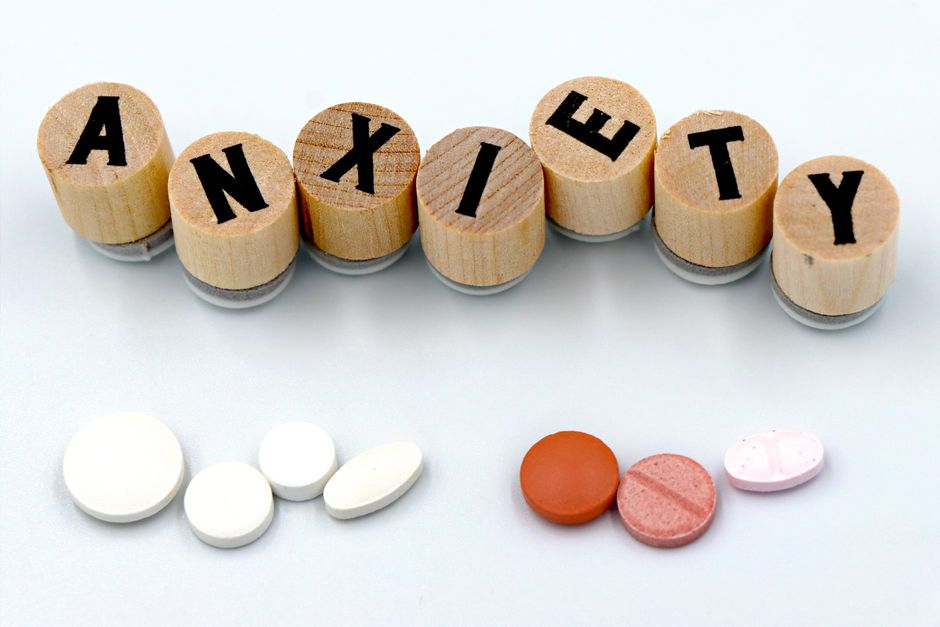
Yes, anxiety disorder is a mental disorder. The National Institute of Mental Health (NIMH) and the American Psychiatric Association both classify it as one. It is not just normal worry or stress. It is a medical condition that affects how your brain processes fear and threat. Millions of adults in the United States live with it. And the good news is that treatment works for most people.
What Exactly Is an Anxiety Disorder?
An anxiety disorder is more than feeling nervous before a big meeting. It is a diagnosable condition where fear and worry are intense and do not go away. These feelings are strong enough to interfere with daily life — work, school, relationships, and even sleep.
The Diagnostic and Statistical Manual of Mental Disorders (DSM-5) lists several types. Generalized anxiety disorder (GAD) means constant worry about many things. Panic disorder involves sudden attacks of intense fear. Social anxiety disorder is a fear of being judged by others. Specific phobias are fears of certain objects or situations. Each has its own set of symptoms, but they all share this: the fear is out of proportion to the actual threat.
Research published in JAMA Psychiatry found that about 19% of US adults had an anxiety disorder in the past year. That is roughly 1 in 5 people. So if you have it, you are far from alone.
How Is Anxiety Disorder Different from Normal Anxiety?
Everyone feels anxious sometimes. It is a normal human response to danger or stress. Your heart races before a job interview. Your stomach knots up before a test. That is your body’s alarm system working as it should.
An anxiety disorder is when the alarm system is broken. It goes off when there is no real danger. Or it stays on long after the threat is gone. The key difference is impairment. Does the anxiety stop you from doing things you want to do? Do you avoid situations because of fear? Do you spend hours each day worrying about things that most people would not worry about?
The CDC reports that people with anxiety disorders often have trouble with daily tasks. They may miss work. They may avoid social events. They may struggle with basic responsibilities. That is the line between normal anxiety and a disorder.
Another difference is time. Normal anxiety passes when the stressful event ends. An anxiety disorder lasts for months or years without treatment.
Is Anxiety Disorder Really a Mental Disorder? The Clinical Answer
The answer from every major medical organization is yes. The World Health Organization (WHO) includes anxiety disorders in its International Classification of Diseases. The American Psychiatric Association includes them in the DSM-5. Both are the standard reference books for diagnosing mental health conditions.
Some people hesitate to call it a mental disorder because they think it means something is wrong with their character. That is not what the term means. A mental disorder is a medical condition that affects thinking, emotion, or behavior. It is not a moral failing. It is not a sign of weakness.
Brain imaging studies show real physical differences in people with anxiety disorders. The amygdala — the part of the brain that processes fear — is often more active. The prefrontal cortex, which helps calm fear, may be less active. These are biological changes you can see on a scan. They are not something you can just “think your way out of.”
Calling it a mental disorder matters because it opens the door to treatment. Insurance covers it. Doctors take it seriously. Research funding goes toward it. Without the diagnosis, millions of people would be told to just “relax” when they need real medical help.
-
 Can You Join the Military with Anxiety Disorder? The Real Answer
 -
What Is Generalized Anxiety Disorder? The Real Answer
-
Is Generalized Anxiety Disorder a Disability? The Real Answer
-
Is Germaphobia A Mental Illness Or Anxiety Disorder?
-
Pineal Guardian X Reviews: Does This Liquid Brain Drop Actually Work?





What Causes an Anxiety Disorder?
There is no single cause. Most researchers agree it comes from a mix of factors.
Genetics plays a role. Studies of twins show that if one twin has an anxiety disorder, the other is more likely to have one too. The risk is higher for identical twins than for fraternal twins. That points to a genetic link.
Brain chemistry matters. Neurotransmitters like serotonin, dopamine, and gamma-aminobutyric acid (GABA) help regulate mood and fear. When these chemicals are out of balance, anxiety can spike.
Life experiences can trigger the onset. Trauma, abuse, the death of a loved one, divorce, or job loss are common triggers. Chronic stress — like financial problems or a demanding job — can also wear down your ability to cope.
Personality is a factor too. People who are naturally more shy or sensitive may be at higher risk. But this does not mean you caused your disorder. It just means your brain was already wired a certain way, and life events pushed it over the edge.
One thing is clear: it is not your fault. The research does not support the idea that anxiety disorders come from bad parenting, laziness, or a weak character.
What Treatments Actually Work?
Treatment for anxiety disorders is well-studied and effective. The two main approaches are therapy and medication. Many people use both.
Cognitive behavioral therapy (CBT) is the most researched form of therapy for anxiety. A review of studies in the Cochrane Database of Systematic Reviews found that CBT works better than no treatment for most anxiety disorders. It helps you identify and change the thought patterns that feed fear. It also teaches you to face feared situations gradually, so your brain learns that nothing bad happens.
Medication can help too. Selective serotonin reuptake inhibitors (SSRIs) are the most common first-line drugs. They increase serotonin levels in the brain. Examples include fluoxetine (Prozac) and sertraline (Zoloft). Serotonin-norepinephrine reuptake inhibitors (SNRIs) like venlafaxine (Effexor) are also used. Benzodiazepines like alprazolam (Xanax) work fast but are generally prescribed only for short-term use because of addiction risk.
Some people report benefits from lifestyle changes like regular exercise, better sleep, and mindfulness meditation. These can help, but the evidence is not as strong as it is for therapy and medication. They are best used as additions to professional treatment, not replacements.
| Treatment | How It Works | Strength of Evidence |
|---|---|---|
| Cognitive behavioral therapy | Changes thought patterns and behaviors | Strong — multiple clinical trials support it |
| SSRI medications | Increases serotonin in the brain | Strong — FDA-approved and widely studied |
| Exercise | Reduces stress hormones and boosts mood | Moderate — some studies show benefit |
| Mindfulness meditation | Trains the brain to focus on the present | Moderate — helpful but not a standalone treatment |
| Benzodiazepines | Calms the nervous system quickly | Strong for short-term use; limited for long-term |
What to Avoid When You Have an Anxiety Disorder
Some things make anxiety worse, even if they feel helpful in the moment.
- Avoid alcohol and cannabis. Many people use them to calm down. But research shows they can actually increase anxiety over time. Alcohol disrupts sleep and changes brain chemistry. Cannabis can trigger panic attacks in some people.
- Avoid excessive caffeine. Caffeine stimulates the nervous system. For someone with an anxiety disorder, that can feel like a panic attack. Cutting back or switching to decaf can make a real difference.
- Avoid avoidance. This is the biggest trap. When you avoid a situation that makes you anxious, you feel relief. But your brain learns that the situation is dangerous. Over time, your world gets smaller and smaller. Therapy helps you break this cycle.
- Avoid unproven supplements. The market is full of products that claim to cure anxiety. As of 2026, there is no clinical evidence that most of them work. Some can even interact with medications. Talk to your doctor before trying anything.
Common Misconceptions About Anxiety Disorders
There is a lot of bad information out there. Here are some of the most common myths.
Myth: Anxiety disorder is just being dramatic. This is false. It is a real medical condition with physical changes in the brain. People do not choose to have it. Telling someone to “calm down” is like telling someone with a broken leg to “walk it off.”
Myth: Medication will change your personality. This is widely claimed, but strong evidence is limited. Most people on SSRIs do not feel like a different person. They feel like themselves without the constant fear. If a medication does not feel right, there are other options.
Myth: You can cure it with positive thinking alone. Some people report that positive affirmations help them cope. But there is no evidence that they cure an anxiety disorder. Professional treatment is still the most reliable path to recovery.
Myth: Once you have it, you have it forever. This is not true. Many people recover completely. Others learn to manage their symptoms so well that the disorder no longer controls their life. Treatment works.
Frequently Asked Questions
Is anxiety disorder considered a mental illness?
Yes, it is classified as a mental illness by both the American Psychiatric Association and the World Health Organization.
Can anxiety disorder go away on its own?
Some people experience symptoms that lessen over time, but most need treatment to recover fully.
What is the difference between anxiety and an anxiety disorder?
Normal anxiety is temporary and tied to a specific stressor, while an anxiety disorder is persistent and interferes with daily life.
Is anxiety disorder a disability?
Yes, severe anxiety disorder can qualify as a disability under the Americans with Disabilities Act if it substantially limits major life activities.
