
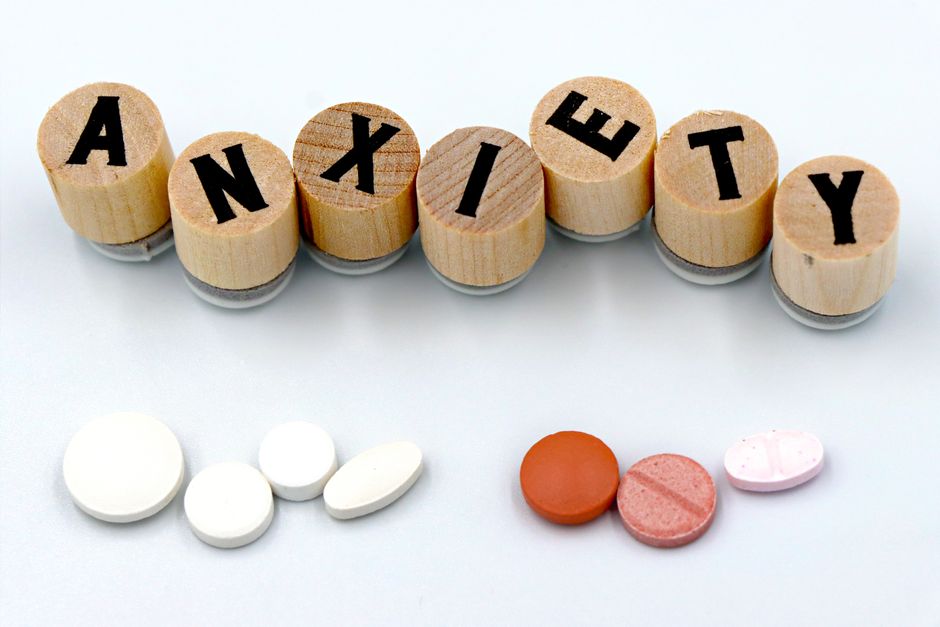
An anxiety disorder is a mental health condition where fear, worry, and dread become overwhelming and interfere with daily life. It is not just feeling stressed or nervous before a big event — it is a persistent state that can make work, relationships, and even simple tasks feel impossible. The main causes include genetics, brain chemistry, and life experiences like trauma. Treatment typically involves therapy, medication, or a combination of both, and most people improve significantly with the right help.
What Exactly Is an Anxiety Disorder?
An anxiety disorder goes far beyond normal nervousness. Everyone feels anxious sometimes. That is a normal human response to stress. But an anxiety disorder means the fear response stays turned on even when there is no real threat. The body remains in a state of high alert for weeks, months, or years.
The National Institute of Mental Health (NIMH) defines anxiety disorders as conditions where intense fear or worry does not go away and gets worse over time. This is different from temporary worry about a job interview or a medical test. With an anxiety disorder, the worry is out of proportion to the actual situation and hard to control. It can cause physical symptoms like a racing heart, sweating, dizziness, and trouble sleeping.
Anxiety disorders are the most common mental health condition in the United States. The NIMH reports that about 19% of US adults had an anxiety disorder in the past year. That is roughly 1 in 5 people. Many of them do not seek treatment because they think it is just stress or that they should handle it on their own. But untreated anxiety disorders can lead to depression, substance use, and a lower quality of life.
What Are the Main Causes of Anxiety Disorders?
There is no single cause. Research shows it is usually a mix of factors. Genetics play a role. If a close family member has an anxiety disorder, your risk is higher. But having the genes does not guarantee you will develop it. Environment and life experiences matter just as much.
Brain chemistry is another piece of the puzzle. The brain uses chemicals called neurotransmitters to send signals. Serotonin, dopamine, and norepinephrine are involved in mood and fear responses. When these chemicals are out of balance, the brain may overreact to stress. This is why medications that adjust neurotransmitter levels can help.
Trauma is a major trigger. People who experience abuse, violence, or a serious accident have a higher chance of developing an anxiety disorder. Chronic stress from work, money problems, or relationship issues can also push someone over the edge. The body can only handle so much before the alarm system breaks.
Medical conditions can cause anxiety too. Thyroid problems, heart arrhythmias, and even vitamin deficiencies can mimic or trigger anxiety symptoms. A good doctor will rule out these physical causes before diagnosing an anxiety disorder.
What Are the Different Types of Anxiety Disorders?
Anxiety is not one single condition. It comes in several forms, each with its own pattern of symptoms. Knowing the type matters because treatment can be tailored to fit.
Generalized Anxiety Disorder (GAD) is chronic worry about many things — health, money, family, work — for at least six months. The worry is hard to stop and comes with physical symptoms like muscle tension, fatigue, and irritability. GAD affects about 3% of US adults in a given year.
Panic Disorder involves sudden, intense fear attacks that peak within minutes. These panic attacks can include chest pain, heart palpitations, shortness of breath, and a feeling of doom. Many people mistake them for heart attacks and end up in the emergency room. Panic disorder affects about 2-3% of adults.
Social Anxiety Disorder is an intense fear of being judged or embarrassed in social situations. It goes beyond shyness. People with this condition may avoid parties, meetings, or even eating in public. It affects about 7% of adults in the US.
Specific Phobias are extreme fears of specific things like heights, spiders, flying, or needles. The fear is out of proportion to the actual danger. Phobias are common and often start in childhood.
Agoraphobia is fear of places where escape might be hard, like crowds, bridges, or public transportation. It can become so severe that a person cannot leave their home.
There is also Separation Anxiety Disorder and Selective Mutism, which are more common in children but can persist into adulthood.
| Type | Key Feature | Approximate Lifetime Prevalence |
|---|---|---|
| Generalized Anxiety Disorder | Chronic worry about many topics | ~9% of US adults |
| Panic Disorder | Sudden panic attacks | ~5% of US adults |
| Social Anxiety Disorder | Fear of social judgment | ~12% of US adults |
| Specific Phobia | Intense fear of one thing | ~12% of US adults |
| Agoraphobia | Fear of being trapped | ~2% of US adults |
Data from the NIMH and the National Comorbidity Survey. These numbers are estimates and overlap is common — many people have more than one type.





What Treatments Actually Work for Anxiety Disorders?
The most effective treatment is usually a combination of therapy and medication. But which one you start with depends on how severe your symptoms are and what you prefer.
Cognitive Behavioral Therapy (CBT) is the gold standard. Research published in JAMA Internal Medicine found that CBT works as well as medication for many anxiety disorders and has longer lasting effects. CBT teaches you to identify and challenge the distorted thoughts that drive anxiety. You also learn behavioral techniques like gradual exposure — facing feared situations in small, safe steps. The skills you learn in CBT last a lifetime.
Medication is another strong option. The most common are SSRIs (selective serotonin reuptake inhibitors) like sertraline (Zoloft) and fluoxetine (Prozac). These are antidepressants that also work well for anxiety. They take 4-6 weeks to start working. SNRIs like venlafaxine (Effexor) are also effective. Benzodiazepines like alprazolam (Xanax) work fast but are addictive and only meant for short-term use. The American Psychiatric Association recommends SSRIs or SNRIs as first-line treatment.
Lifestyle changes help but are not a cure on their own. Regular exercise, enough sleep, and reducing caffeine can lower the overall level of anxiety. Mindfulness meditation has some evidence behind it — a 2014 meta-analysis in JAMA Internal Medicine found it moderately effective for anxiety. But for moderate to severe cases, lifestyle changes alone are rarely enough.
What does not work? Avoiding triggers. Many people try to cope by staying away from what scares them. This provides short-term relief but makes the anxiety worse over time. The brain learns that the only way to feel safe is to avoid, which shrinks your world. Exposure therapy, done with a therapist, is the opposite approach and it works.
What Are the Side Effects of Anxiety Treatments?
No treatment is free of side effects. Knowing what to expect helps people stick with it.
SSRIs and SNRIs commonly cause nausea, headache, sleep changes, and sexual problems. These side effects often improve after the first few weeks. Some people gain weight. A small number feel more anxious when they first start taking the medication — this usually passes. Never stop these medications suddenly. That can cause withdrawal symptoms like dizziness, flu-like feelings, and anxiety spikes.
Benzodiazepines cause drowsiness, confusion, and memory problems. They are highly addictive. The CDC warns against using them long-term, especially in older adults who are at higher risk for falls and cognitive decline. They should only be used occasionally or as a bridge while waiting for an SSRI to work.
Therapy side effects are different but real. CBT can be emotionally exhausting. Facing fears is hard. Some people feel worse before they feel better. This is normal and usually temporary. A good therapist will pace the work so it is challenging but not overwhelming.
There is also the risk of no response. About 30-40% of people do not improve enough with the first medication or therapy they try. That does not mean they are hopeless. It often means they need a different approach or a combination of treatments. Research shows that switching medications or adding another type of therapy helps many of these people.
What Should You Avoid When Dealing With Anxiety?
Avoid self-medicating with alcohol or marijuana. Alcohol is a depressant that can temporarily calm nerves, but it disrupts sleep and makes anxiety worse the next day. A study in the journal Depression and Anxiety found that people with anxiety disorders are 2-3 times more likely to develop alcohol use disorder. Marijuana can help some people relax in the moment, but regular use is linked to higher anxiety and panic attacks long-term.
Avoid relying on caffeine. Caffeine triggers the same fight-or-flight response as anxiety. For someone with an anxiety disorder, even one cup of coffee can cause jitters, a racing heart, and panic-like symptoms. The American Psychiatric Association notes that caffeine can worsen anxiety and trigger panic attacks in susceptible people.
Avoid searching for reassurance on the internet. It is common to Google symptoms over and over. This is called reassurance seeking and it feeds the anxiety cycle. You feel better for a moment, then the doubt returns and you search again. It never ends. A therapist can help you break this habit.
Avoid trying to “tough it out” alone. Anxiety disorders are medical conditions, not character flaws. The NIMH emphasizes that early treatment leads to better outcomes. Waiting years to get help only makes the condition harder to treat.
Common Misconceptions About Anxiety Disorders
One major misconception is that anxiety disorders are just “being dramatic” or “weak.” This is false. Anxiety disorders have a biological basis. Brain scans show that the amygdala — the fear center — is overactive in people with anxiety disorders. This is not a choice.
Another misconception is that medication changes your personality. SSRIs do not change who you are. They reduce the volume of the fear signal so you can think clearly. People often report feeling like themselves again — just without the constant worry.
Some people believe that if therapy does not work quickly, it is not working at all. CBT usually takes 8-20 sessions to show meaningful results. Some people need more. Progress is not always linear. Having a bad week does not mean treatment is failing.
Finally, many people think anxiety disorders cannot be cured. That is not true. With proper treatment, most people experience significant improvement. The term “cure” is tricky because some people may have relapses during stressful times. But they learn skills to manage those relapses. Living well with anxiety is absolutely possible.
Frequently Asked Questions
Can anxiety disorders go away on their own?
Some mild cases improve without treatment, but most do not. Untreated anxiety tends to become chronic and can worsen over time.
What is the difference between anxiety and an anxiety disorder?
Anxiety is a normal response to stress. An anxiety disorder is when the fear is excessive, lasts a long time, and interferes with daily life.
How long does it take for anxiety medication to work?
SSRIs and SNRIs typically take 4 to 6 weeks to start reducing symptoms. Full effects may take 8 to 12 weeks.
Is therapy or medication better for anxiety?
Both are effective. Therapy teaches lasting skills, while medication can provide faster relief. Many people benefit most from using both together.
