
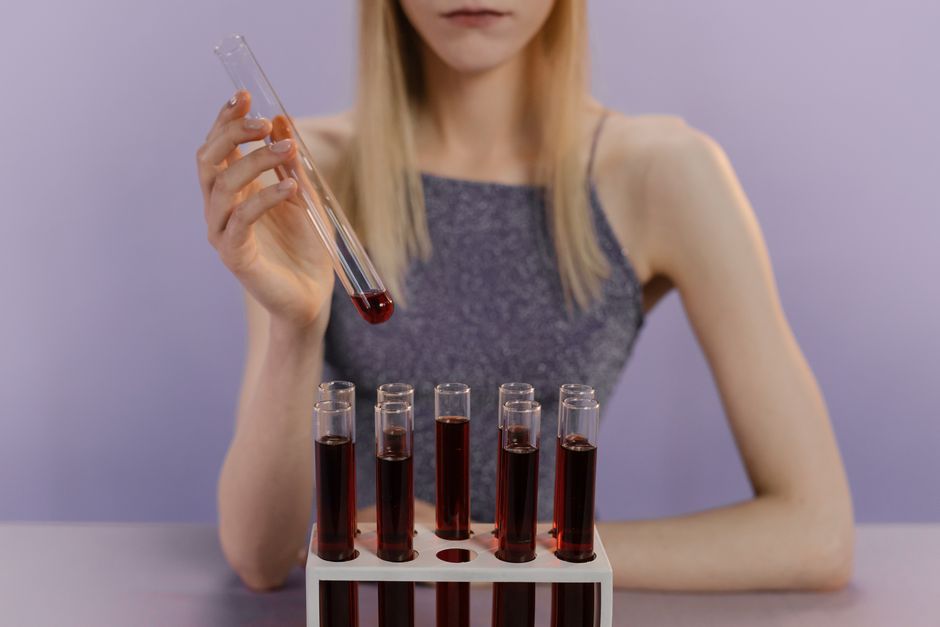
Alcohol is a blood thinner. It reduces the ability of platelets in your blood to stick together and form clots. This effect is temporary and depends on how much you drink and how recently you drank. While this sounds simple, the real answer involves how alcohol works in your body, how long the effect lasts, and why mixing alcohol with actual blood-thinning medications can be dangerous.
How Does Alcohol Thin Your Blood?
Blood clotting is a complex process. When you get a cut, platelets rush to the site and clump together. They form a plug that stops the bleeding. Alcohol interferes with this process.
Alcohol makes platelets less sticky. It also affects the proteins in your blood that help clots form. The result is that your blood takes longer to clot than it normally would. This is why alcohol is technically a blood thinner.
The effect is dose-dependent. A single drink has a mild effect. Several drinks have a stronger effect. The more alcohol in your system, the more it interferes with clotting.
This effect is not permanent. It lasts only as long as alcohol is actively in your bloodstream. Once your liver processes the alcohol, your blood returns to its normal clotting ability.
How Long Does the Blood-Thinning Effect Last?
The blood-thinning effect of alcohol lasts as long as alcohol is present in your system. Your liver processes roughly one standard drink per hour. A standard drink is 12 ounces of beer, 5 ounces of wine, or 1.5 ounces of distilled spirits.
If you have two drinks, the effect lasts roughly two hours after your last drink. If you have four drinks, the effect lasts longer. This timeline varies from person to person based on body size, sex, and liver health.
Some research suggests that regular heavy drinking can cause longer-lasting changes to platelet function. But for most people, the blood-thinning effect is temporary and fades as the alcohol leaves your system.
Is Alcohol a Safe Blood Thinner?
No. Alcohol is not a safe or useful blood thinner. It is an unpredictable one. You cannot control how much it thins your blood, and the effect varies from day to day.
Prescription blood thinners like warfarin, apixaban, and rivaroxaban are carefully dosed. Doctors monitor their effects with blood tests. Alcohol has no such precision.
Drinking alcohol for its blood-thinning effect is not recommended by any medical authority. The risks of alcohol consumption — liver damage, addiction, accidents, and increased cancer risk — far outweigh any potential benefit to your blood.
There is no evidence that drinking alcohol reduces your risk of heart attacks or strokes from blood clots. While some studies have suggested that light drinking is linked to lower heart disease rates, those studies have serious limitations. The evidence is mixed, and recent research has questioned whether any amount of alcohol is beneficial for heart health.





What Happens When You Mix Alcohol with Blood Thinner Medication?
Mixing alcohol with prescription blood thinners is dangerous. Both reduce your blood’s ability to clot. Together, the effect can be too strong.
This can lead to excessive bleeding. Even a minor cut can bleed heavily. More seriously, you could experience internal bleeding in your stomach, intestines, or brain without knowing it.
The interaction depends on the specific medication. Warfarin is particularly sensitive to alcohol. Alcohol can change how your liver processes warfarin, making the drug’s effect unpredictable.
Newer blood thinners like apixaban and rivaroxaban are less affected by alcohol. But the combined effect on bleeding risk is still a concern. Most doctors advise limiting or avoiding alcohol entirely while taking any blood thinner.
If you take blood thinners and drink alcohol, talk to your doctor. They can tell you what amount, if any, is safe for your specific situation. Do not assume that a small amount of alcohol is fine just because you have been taking the medication for a while.
Can Alcohol Cause Bleeding Problems?
Yes. Heavy drinking can cause serious bleeding problems even without prescription blood thinners. This is especially true for people with liver disease.
Your liver produces many of the proteins needed for blood clotting. Chronic heavy drinking damages the liver. A damaged liver cannot produce these proteins effectively. This can lead to a condition where your blood does not clot properly.
Heavy drinkers may also develop low platelet counts. Platelets are the cells that form the initial plug at a bleeding site. Without enough platelets, bleeding takes longer to stop.
These effects are different from the temporary blood-thinning effect of a single drinking session. They are long-term consequences of alcohol abuse. They can be life-threatening, especially if combined with falls or injuries.
What Are the Signs of Dangerous Bleeding?
If you drink heavily or take blood thinners, you should know the signs of dangerous bleeding. Some signs are obvious. Others are not.
Obvious signs include:
- Bleeding that does not stop after applying pressure for several minutes
- Large bruises that appear without any known injury
- Blood in your stool, which may look black and tarry
- Blood in your urine
- Coughing up blood
Less obvious signs include severe headache, dizziness, weakness, and abdominal pain. These can indicate internal bleeding. If you experience any of these symptoms after drinking, seek medical attention immediately.
This is especially important if you take blood thinners. The combination of alcohol and blood thinners can cause bleeding that requires emergency treatment.
Is Alcohol Blood Thinning? What the Evidence Shows
Research consistently shows that alcohol reduces platelet aggregation. This is the medical term for platelets clumping together. The effect is real and measurable in laboratory tests.
However, the clinical significance is less clear. No major medical organization recommends alcohol as a blood thinner. The evidence that alcohol prevents blood clots in real-world situations is not strong.
Some studies have linked moderate drinking to lower rates of ischemic stroke, which is caused by blood clots. But the same studies show that heavy drinking increases stroke risk. The relationship is not simple, and the overall evidence does not support drinking alcohol for cardiovascular benefit.
What is clear is this: alcohol is an anticoagulant in the laboratory sense. It thins your blood. But it is not a medication, and it should not be used as one.
Frequently Asked Questions
How much alcohol does it take to thin your blood?
Even a single standard drink has a measurable effect on platelet function. The effect increases with the amount of alcohol consumed.
Is it safe to drink alcohol while taking blood thinners?
Most doctors advise limiting or avoiding alcohol while taking blood thinners because the combined effect increases bleeding risk. Talk to your doctor about what is safe for your specific medication.
Does alcohol thin your blood permanently?
No. For most people, the effect lasts only as long as alcohol is in your system. Chronic heavy drinking can cause longer-lasting damage to your blood’s clotting ability.
Can alcohol cause a stroke from thinning the blood?
Heavy drinking increases the risk of both bleeding strokes and clot-related strokes. The relationship between alcohol and stroke is complex, and heavy drinking is consistently linked to higher stroke risk.
