
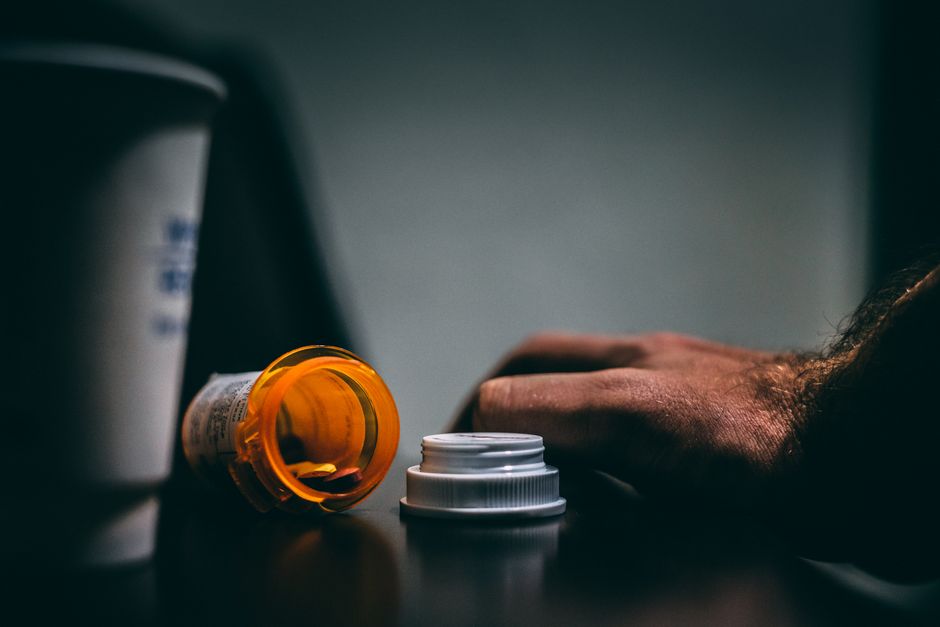
Yes, alcohol is a drug. The National Institute on Drug Abuse and the World Health Organization both classify alcohol as a drug because it changes how the brain works. It is a depressant that slows down brain activity, even though small amounts can feel stimulating at first. This classification is not a matter of opinion. It is a medical and scientific fact.
What Makes Alcohol a Drug?
A drug is any substance that changes how your body or mind works when you take it. Alcohol fits that definition completely. When you drink, ethanol enters your bloodstream and travels to your brain within minutes.
Alcohol affects several brain chemicals. It boosts GABA, a chemical that slows brain activity down. It also reduces glutamate, which normally excites the brain. This combination produces the relaxed, slowed-down feeling people associate with drinking. The sense of energy or confidence people feel early in the evening comes from alcohol suppressing the parts of the brain that control judgment and inhibition. That is not stimulation. That is your brain’s brakes being released.
Because alcohol changes mood, coordination, reaction time, and decision-making, it meets the standard definition of a psychoactive drug. Psychoactive means it alters brain function and changes perception, mood, or consciousness.
How Alcohol Affects the Body
Alcohol is absorbed mostly in the stomach and small intestine. The liver processes about 90 percent of it. The remaining 10 percent leaves through urine and breath. This is why breathalyzer tests work.
The effects start with the brain. Judgment and coordination are the first things affected. As blood alcohol concentration rises, speech may slur, balance worsens, and reaction time slows. At very high levels, alcohol can suppress the parts of the brain that control breathing and heart rate. This is how alcohol poisoning causes death.
Alcohol also affects the body beyond the brain. It irritates the stomach lining, which can cause nausea and vomiting. It increases urine production, leading to dehydration. It dilates blood vessels near the skin, which makes people feel warm even though their core body temperature is dropping.
Long-term heavy drinking damages the liver, heart, and pancreas. It raises the risk of several types of cancer, including breast, colon, and liver cancer. The evidence for these risks is strong and consistent across decades of research.
Is Alcohol Addictive?
Yes. Alcohol use disorder is a recognized medical condition. It is the medical term for what people commonly call alcoholism or alcohol addiction.
Alcohol is addictive because it triggers the brain’s reward system. It causes the release of dopamine, the chemical associated with pleasure and motivation. Over time, the brain adapts to repeated alcohol exposure. It needs more alcohol to get the same effect. This is called tolerance.
When someone who drinks heavily stops suddenly, they can experience withdrawal. Symptoms range from anxiety and sweating to seizures and hallucinations. In severe cases, alcohol withdrawal can be life-threatening and requires medical supervision.
Not everyone who drinks develops alcohol use disorder. But alcohol is one of the most commonly misused substances in the United States. It is also one of the few drugs where withdrawal can be fatal without medical treatment.





How Alcohol Compares to Other Drugs
Alcohol is often not thought of as a drug because it is legal and socially accepted. But legally and medically, it sits in the same category as other depressants like benzodiazepines and barbiturates.
Here is how alcohol compares to other common substances:
- Alcohol — Depressant. Legal for adults 21 and over. Highly addictive. Withdrawal can be fatal.
- Nicotine — Stimulant. Legal for adults. Highly addictive. Withdrawal is not fatal but is intensely uncomfortable.
- Caffeine — Stimulant. Legal for all ages. Mildly addictive. Withdrawal causes headaches and fatigue but is not dangerous.
- Opioids — Depressants. Legal by prescription. Highly addictive. Withdrawal is severe but rarely fatal. Overdose can stop breathing.
- Benzodiazepines — Depressants. Legal by prescription. Addictive. Withdrawal can be fatal, similar to alcohol.
The main difference between alcohol and many other drugs is legal status, not pharmacology. Alcohol causes more deaths and health problems in the United States than most illegal drugs combined, largely because it is so widely available and accepted.
Why People Do Not Think of Alcohol as a Drug
Cultural acceptance plays a huge role. Alcohol is served at weddings, business dinners, and religious ceremonies. It is advertised during sports events and featured in movies and television. People grow up seeing adults drink alcohol as a normal part of life.
Language also matters. People say “drinking” or “having a few beers,” not “using alcohol.” The word drug carries stigma. Calling alcohol a drug feels uncomfortable to many people because it challenges a deeply ingrained social norm.
But the discomfort does not change the biology. Alcohol is a drug whether it is consumed at a family gathering or alone. Its effects on the brain are identical regardless of the setting.
There is also a legal distinction. The United States government regulates alcohol separately from other drugs through the Alcohol and Tobacco Tax and Trade Bureau. This creates the impression that alcohol is a different category of substance. It is not. It is simply regulated differently.
Is Alcohol More Dangerous Than Other Drugs?
Danger depends on how you measure it. In terms of harm to the individual and society, alcohol ranks near the top. It contributes to liver disease, heart disease, cancer, car crashes, violence, and fetal alcohol syndrome.
Alcohol is also unique in how quickly it impairs function. A person can be legally impaired after two drinks in an hour, depending on body weight and other factors. This impairment increases the risk of accidents and injuries.
However, alcohol is not the most potent or rapidly addictive drug. Opioids and methamphetamine produce stronger immediate effects and faster addiction. What makes alcohol so harmful is its availability. Because it is legal and widely used, far more people are exposed to it, and far more people experience its harms.
The evidence consistently shows that alcohol is a leading preventable cause of death worldwide. Public health organizations rank it among the most harmful drugs when combining harm to the user and harm to others.
Does Moderate Drinking Have Health Benefits?
This is a common question, and the answer has changed in recent years. Older research suggested that moderate drinking might protect against heart disease. This idea was widely reported and became popular.
More recent and more rigorous studies have cast serious doubt on that conclusion. Some research indicates that the apparent heart benefits of moderate drinking may be due to flaws in how earlier studies were designed. People who do not drink at all often include former heavy drinkers who quit for health reasons. This makes non-drinkers look less healthy than they actually are.
The current scientific consensus is that no level of drinking is completely risk-free. The World Health Organization has stated that the safest level of alcohol consumption is none. This does not mean that one glass of wine with dinner will harm most people. It means that the health risks of alcohol start at the first drink and increase with each additional drink.
If you drink, the general guidance is to keep intake low. But there is no amount of alcohol that is recommended for health reasons. The evidence does not support drinking to improve your health.
How to Know If Your Drinking Is a Problem
Alcohol use disorder exists on a spectrum. It ranges from mild to severe. The diagnostic criteria include drinking more than intended, being unable to cut down, spending a lot of time drinking or recovering from drinking, and continuing to drink despite problems it causes.
Other signs include needing more alcohol to feel effects, experiencing withdrawal symptoms when not drinking, and giving up activities in favor of drinking. If drinking is causing problems at work, home, or in relationships, that is a warning sign.
Healthcare providers use standardized questionnaires to screen for alcohol problems. These tools are simple and can be done in a doctor’s office. If you are concerned about your drinking, talking to a healthcare provider is a reasonable first step. Treatment options include counseling, support groups, and medications that reduce cravings.
Alcohol is a drug. Understanding that fact does not require judgment. It simply helps people make informed decisions about their health.
Frequently Asked Questions
Is alcohol classified as a drug by the government?
Yes, alcohol is classified as a depressant drug by federal agencies including the National Institute on Drug Abuse. It is regulated separately from other drugs, but it is legally and medically recognized as a drug.
Can you become addicted to alcohol?
Yes, alcohol is highly addictive and can lead to alcohol use disorder. It changes brain chemistry in ways that make repeated use more likely and stopping more difficult.
Is alcohol withdrawal dangerous?
Yes, severe alcohol withdrawal can be life-threatening and may cause seizures or hallucinations. Anyone with heavy daily drinking should seek medical supervision before stopping.
Does any amount of alcohol have health benefits?
No amount of alcohol is considered completely risk-free by current public health guidance. Earlier claims about heart benefits from moderate drinking have not held up in more rigorous research.
