
Yes, venous insufficiency can cause neuropathy, but it is not the most common cause. The connection exists and is real, but the way it develops is different from the nerve damage caused by diabetes or other metabolic conditions. Understanding the difference matters for anyone dealing with tingling, numbness, or burning in the legs.
What Is Venous Insufficiency?
Venous insufficiency means the veins in your legs are not pushing blood back to your heart as well as they should. Veins have one-way valves inside them. These valves open to let blood flow upward and then close to stop it from falling back down. When these valves weaken or fail, blood pools in the lower legs.
This pooling raises pressure inside the veins. Over time, that pressure damages the walls of the veins and the tissues around them. Fluid can leak out of the veins into the surrounding skin and tissue. This is why venous insufficiency often causes swelling, skin discoloration, and varicose veins.
Venous insufficiency is common. It becomes more likely with age, pregnancy, prolonged standing, and a family history of vein problems. Obesity also increases the risk because extra weight puts more pressure on the veins in the legs.
How Can Venous Insufficiency Cause Neuropathy?
The link between venous insufficiency and neuropathy comes down to pressure and poor tissue health. When blood pools in the lower legs, the pressure inside the veins stays high. This chronic high pressure can compress small nerves as they travel through the leg tissue.
There is also the matter of tissue swelling. Fluid that leaks out of veins builds up in the tissue. This swelling, called edema, puts physical pressure on nerves. Nerves do not handle compression well. Prolonged compression can disrupt how nerves send signals, leading to tingling, numbness, and burning sensations.
Another factor is reduced oxygen delivery. Venous insufficiency slows the exchange of oxygen and nutrients in the tissue. Nerves need a steady supply of oxygen to function properly. When the tissue around them is congested with fluid and poorly oxygenated, nerve function can decline.
This type of nerve problem is sometimes called venous neuropathy. It is not the same as peripheral neuropathy caused by diabetes, which damages nerves through high blood sugar levels. Venous neuropathy is more about physical pressure and tissue damage than direct nerve injury.
Symptoms of Venous Neuropathy
The symptoms of venous neuropathy overlap with other types of nerve problems, which can make it hard to identify. Common symptoms include tingling, numbness, burning, or a feeling like pins and needles in the lower legs and feet.
What makes venous neuropathy different is that it often comes with other signs of vein problems. Swelling in the ankles and calves is typical. The skin may look shiny, tight, or discolored. A brownish or reddish tint often appears around the ankles. The legs may feel heavy or achy, especially after standing for a while.
These symptoms tend to improve when you elevate your legs. When you lie down with your legs raised, gravity helps blood drain out of the lower legs. This reduces pressure and swelling. If symptoms ease with elevation, that is a strong clue that veins are involved.
Some people with venous insufficiency also develop restless legs syndrome. The urge to move the legs, especially at night, can be linked to the discomfort caused by poor blood flow. This is not true neuropathy, but it adds to the overall picture of leg discomfort.





How Doctors Diagnose Venous Neuropathy
Diagnosing venous neuropathy requires looking at both the veins and the nerves. A doctor will start with a physical exam. They will look for swelling, skin changes, varicose veins, and check your pulses.
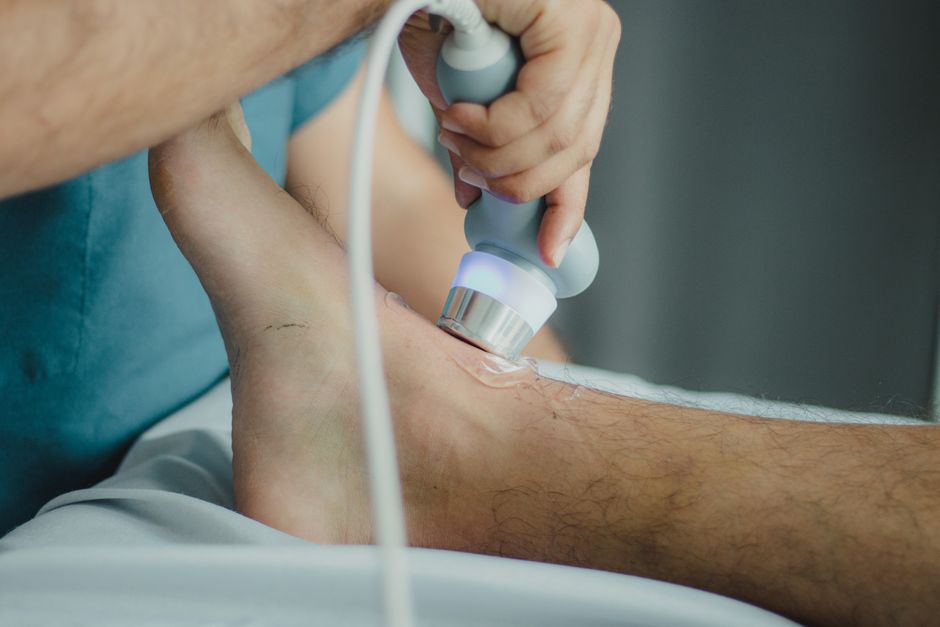
A venous ultrasound is the standard test for venous insufficiency. This imaging test shows how blood flows through your veins and whether the valves are working. It can reveal where blood is pooling and how severe the problem is.
For the nerve side, doctors may use a nerve conduction study or electromyography. These tests measure how well nerves transmit signals. They can show whether nerve damage is present and how severe it is.
The challenge is that many people have both venous insufficiency and another cause of neuropathy. Diabetes is the most common cause of peripheral neuropathy worldwide. If you have diabetes and venous insufficiency, both may be contributing to your symptoms. Your doctor will need to sort out which problem is driving your nerve symptoms.
Treatment Options for Venous Neuropathy
Treatment for venous neuropathy focuses on improving blood flow in the legs. The goal is to reduce pressure and swelling so nerves can recover. Unlike some forms of neuropathy, venous neuropathy can improve when the underlying vein problem is addressed.
Compression stockings are the first line of treatment. These stockings apply graduated pressure to the legs, with the most pressure at the ankle and less pressure higher up. This helps veins push blood upward and prevents fluid from pooling. Wearing them daily can reduce swelling and relieve pressure on nerves.
Elevation is another simple and effective measure. Raising your legs above heart level for 15 to 30 minutes several times a day helps drain blood and fluid out of the lower legs. Many people notice their symptoms improve with regular elevation.
Exercise helps too. Walking strengthens the calf muscles, which act as a pump for venous blood. When your calf muscles contract, they squeeze the veins and push blood upward. Regular walking can significantly improve venous return.
For more severe cases, medical procedures can help. Endovenous ablation uses heat or laser to close off damaged veins. Sclerotherapy involves injecting a solution that makes the vein collapse and fade. These procedures redirect blood to healthier veins and can reduce the pressure that contributes to neuropathy.
Surgery is reserved for the most severe cases. Venous bypass or vein stripping are options when other treatments fail. These are major procedures, so doctors usually try conservative treatments first.
Can Compression Stockings Reverse Nerve Damage?
Compression stockings can relieve symptoms, but whether they reverse nerve damage depends on how long the nerves have been compressed and how severe the damage is. Some research suggests that reducing pressure and improving blood flow can allow nerves to recover function.
Nerves are resilient. When the source of compression is removed, they can regenerate and restore function. However, this recovery takes time. Nerves grow at a rate of about one millimeter per day. If a nerve has been compressed for years, full recovery may not be possible.
Early treatment gives the best chance of recovery. The longer nerves are compressed and poorly oxygenated, the more likely permanent damage becomes. If you have symptoms of venous neuropathy, addressing the vein problem sooner rather than later is important.
When to See a Doctor
You should see a doctor if you have persistent tingling, numbness, or burning in your legs, especially if you also have swelling or skin changes. These symptoms can indicate venous insufficiency or another condition that needs treatment.
Seek urgent care if you have sudden leg swelling, severe pain, or a change in skin color. These can be signs of a blood clot, which is a medical emergency. Blood clots require immediate treatment to prevent serious complications.
Also see a doctor if your symptoms are getting worse despite home measures like elevation and compression. Progressive symptoms may indicate the vein problem is worsening or that another condition is at play.
Can Venous Insufficiency Cause Neuropathy in Other Parts of the Body?
Venous insufficiency causes neuropathy only in the legs, specifically the lower legs and feet. The pressure and tissue changes from venous insufficiency are localized to the areas where blood pools. It does not cause nerve problems in the hands, arms, or face.
If you have neuropathy symptoms in your hands or other parts of your body, venous insufficiency is not the cause. That points to a systemic condition like diabetes, vitamin deficiency, or an autoimmune disease. Your doctor will need to investigate other causes.
Frequently Asked Questions
Can venous insufficiency cause tingling in the feet?
Yes, venous insufficiency can cause tingling in the feet. The pressure and swelling from pooled blood can compress nerves in the lower legs and feet, leading to tingling sensations.
Is venous neuropathy reversible?
Venous neuropathy can improve when the vein problem is treated early. Reducing pressure and swelling allows nerves to recover, but long-standing compression may cause permanent damage.
What is the difference between venous neuropathy and diabetic neuropathy?
Venous neuropathy comes from physical pressure and poor tissue oxygenation due to blood pooling. Diabetic neuropathy comes from high blood sugar directly damaging nerve fibers throughout the body.
Do compression stockings help nerve pain from venous insufficiency?
Compression stockings can help by reducing swelling and pressure on nerves. Many people experience symptom relief with regular use, though results vary depending on how severe the nerve compression is.
