
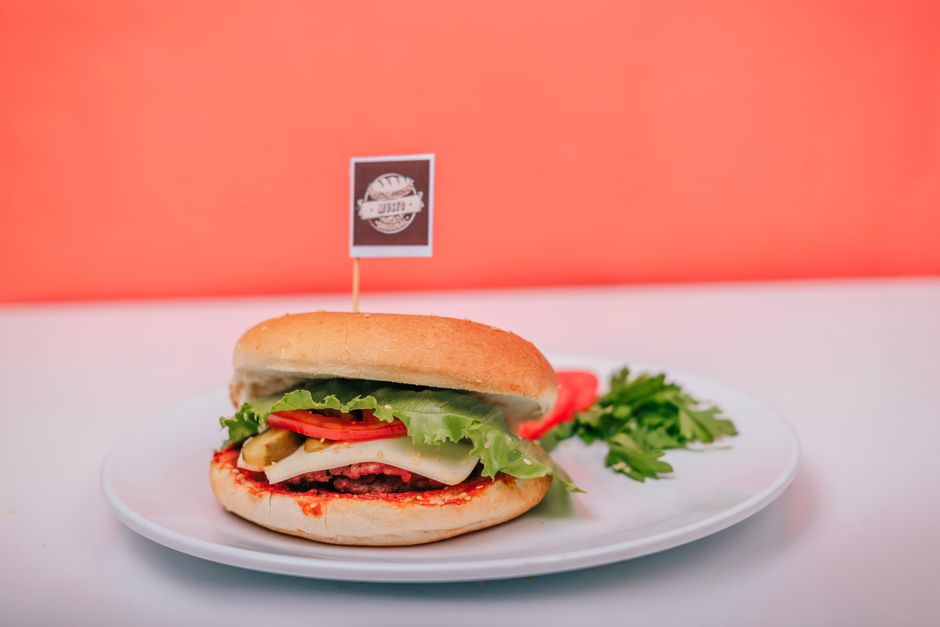
A veggie burger can be a healthy choice, a highly processed one, or something in between — the patty itself doesn’t determine that. What matters is the ingredient list, the protein source, the sodium level, and what you pile on top of it. Some veggie burgers are built from whole beans, lentils, and vegetables, while others are ultra-processed blends of isolated proteins, oils, and binders designed to mimic meat.
The short answer: a veggie burger is only as healthy as its ingredients and your overall diet. A bean-based patty with modest sodium can be a solid protein source. A highly processed patty loaded with sodium and saturated fat is closer to fast food than a health food — even if the package says “plant-based.”
What Is Actually in a Veggie Burger?
“Veggie burger” is not a regulated term. It can describe almost anything shaped like a patty.
At one end are patties made from recognizable ingredients: black beans, chickpeas, lentils, brown rice, mushrooms, onions, and spices. At the other end are engineered products using soy protein isolate, pea protein isolate, methylcellulose, and added oils to replicate the texture and juiciness of beef.
Both types can legally carry the same “plant-based” label. The nutrition differences between them can be substantial.
Ingredients to look for on a label:
- Whole legumes or vegetables listed first (beans, lentils, chickpeas, mushrooms)
- Whole grains like brown rice, oats, or quinoa
- Real seasonings and spices rather than flavoring agents
- A short ingredient list you can actually read
Ingredients that signal heavy processing:
- Protein isolates (soy protein isolate, pea protein isolate)
- Methylcellulose and other synthetic binders
- Added oils high in saturated fat (coconut oil, palm oil)
- Long lists of stabilizers, natural flavors, and preservatives
None of these ingredients are inherently dangerous. But a longer, more industrial ingredient list usually means more sodium, more added fat, and fewer intact nutrients from whole plants.
How Much Protein and Fiber Does a Veggie Burger Have?
Protein and fiber vary widely, and the gap between products is large enough to matter.
Bean- and lentil-based patties typically deliver a meaningful amount of fiber because the legumes are intact. Fiber supports digestion, feeds gut bacteria, and helps with satiety. Most Americans fall short of recommended fiber intake, so a bean-based patty can help close that gap.
Protein content depends heavily on the base. Patties built on isolated soy or pea protein often match or exceed the protein in a beef patty. Patties made mostly from vegetables and rice can be quite low in protein — sometimes only a few grams per serving.
Here is the practical problem: a veggie burger is rarely eaten alone. It goes on a bun, often with cheese, mayo, and fries. Those additions can add more calories, sodium, and saturated fat than the patty itself. A modest patty can become a heavy meal once it’s assembled.
Read the Nutrition Facts panel rather than the front of the box. Front-of-package claims like “plant-based” or “made with real vegetables” say nothing about protein, fiber, or sodium.
Is a Veggie Burger Healthier Than a Beef Burger?
Not automatically. The comparison depends entirely on which products you’re comparing.
Compared with a beef burger, a bean-based veggie burger generally has less saturated fat and more fiber. That is a real advantage for heart health, since saturated fat intake is linked to LDL cholesterol, and fiber is linked to better cardiovascular outcomes.
But some highly processed plant-based patties are engineered to sizzle and bleed like beef. To do that, manufacturers add coconut oil and other saturated fats. A few of these products contain saturated fat levels comparable to a beef patty. Some also contain more sodium than a beef patty.
So the honest answer is: a whole-food veggie burger is usually the better choice. A highly processed plant-based patty is not necessarily better than beef, and in some cases it’s worse on sodium and saturated fat.
One clarification worth making: “plant-based” describes where ingredients come from, not how healthy the final product is. A potato chip is plant-based. So is a donut. The label tells you the source, not the nutritional quality.




What About Sodium and Additives?
Sodium is the most common weak point in veggie burgers, and it’s easy to miss.
Processed patties rely on salt for flavor and preservation. Some frozen veggie burgers contain a substantial share of the daily sodium limit in a single patty — before the bun, cheese, or condiments are added. Federal dietary guidance recommends limiting sodium to 2,300 mg per day for most adults, and the American Heart Association suggests an ideal limit closer to 1,500 mg for people with high blood pressure.
If you eat a veggie burger with 400–500 mg of sodium, that’s a manageable portion of the day. If the patty alone carries 700 mg or more, the meal can climb quickly once you add a bun and toppings.
Additives like methylcellulose and protein isolates have been used in food for decades and are generally recognized as safe by regulators. That said, “generally recognized as safe” is not the same as “studied for long-term health effects.” The evidence on how ultra-processed plant foods affect health over many years is still developing, and some research suggests heavy consumption of ultra-processed foods is associated with worse health outcomes. That research is observational, which means it shows association, not causation.
How Do You Choose a Healthier Veggie Burger?
The label does most of the work for you if you know what to check.
Start with the ingredient list. If beans, lentils, or vegetables appear first, you’re likely looking at a less processed product. If the list leads with protein isolates and oils, you’re looking at an engineered one.
Then check three numbers on the Nutrition Facts panel:
- Protein — aim for a patty that contributes meaningfully to your meal, especially if it’s your main protein source
- Fiber — higher is generally better, and bean-based patties tend to win here
- Sodium — lower is better, since toppings and buns add more
Also glance at saturated fat. If a patty gets a large share of its calories from coconut or palm oil, its saturated fat can approach that of beef.
Finally, think about the whole plate. A veggie burger on a whole-grain bun with avocado, tomato, and leafy greens is a different meal than the same patty with cheese, mayo, and a side of fries. The patty is one component, not the whole story.
Can a Veggie Burger Fit Into a Healthy Diet?
Yes — and for many people it already does.
Legume-based veggie burgers can be a convenient source of plant protein and fiber. They fit well into vegetarian and vegan eating patterns, and they can help people reduce red meat intake, which is associated with lower risk of some chronic diseases.
The key is frequency and context. A bean-based veggie burger a few times a week, alongside vegetables, whole grains, and other protein sources, fits comfortably into most healthy eating patterns. A highly processed patty eaten daily with fries is a different situation.
If you’re using veggie burgers as your main protein source, pay attention to total protein intake across the day, since some patties are low in it. And if you have high blood pressure or heart disease, sodium and saturated fat deserve extra attention.
Veggie burgers are neither a health food by default nor a junk food by default. They are a category, and the category spans a wide range. Reading the label tells you which end of that range you’re holding.
Frequently Asked Questions
Are veggie burgers healthy?
Some are, and some are not — it depends on the ingredients. Bean- and lentil-based patties with modest sodium are generally a healthier choice than highly processed patties high in sodium and saturated fat.
Is a veggie burger healthier than a beef burger?
Not always. A whole-food veggie burger usually has less saturated fat and more fiber than beef, but some processed plant-based patties contain saturated fat and sodium levels comparable to or higher than a beef patty.
How much protein is in a veggie burger?
It varies widely by product. Patties made with isolated soy or pea protein can match beef for protein, while vegetable- and rice-based patties may contain only a few grams per serving.
Are veggie burgers high in sodium?
Many are. Some frozen veggie burgers contain a large share of the daily sodium limit in a single patty, before you add a bun, cheese, or condiments.
