
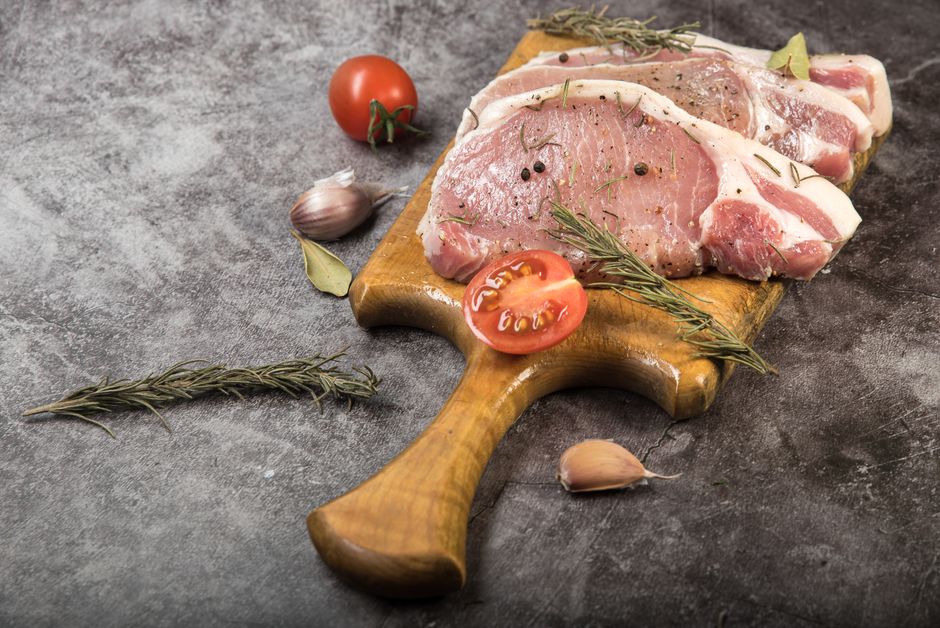
Pork chops are one of the most common cuts of meat in American kitchens, yet they carry a confusing reputation. Some people avoid them because they think pork is inherently fatty. Others treat them as a lean, affordable protein. The truth sits somewhere in the middle, and it depends heavily on the cut, the trim, and how you cook it. A pork chop can be a genuinely healthy part of a balanced diet, or it can be a high-fat, high-sodium meal, and the difference often comes down to which chop you buy and what you do with it.
What Is a Pork Chop, Exactly?
A pork chop is a slice cut perpendicular to the spine of a pig, usually from the loin area that runs along the back. That location matters because the loin is one of the leaner regions of the animal. A chop typically includes a section of the eye muscle, sometimes a bit of the tenderloin, and often a rim of fat along one edge plus a bone.
Because chops come from different spots along the loin, they vary a lot. The main types you will see at a butcher counter or grocery store include:
- Loin chop — a general cut from the center of the loin, usually with a T-shaped bone.
- Rib chop — cut from the rib section, often with more marbling and a richer flavor.
- Center-cut loin chop — the leanest and most uniform, with a bone on one side.
- Sirloin chop — from the rear of the loin, slightly tougher with more connective tissue.
- Boneless chop — the same loin meat with the bone removed, convenient but not nutritionally different.
The bone itself adds no meaningful nutrition. It can affect cooking time and flavor perception, but it does not change the protein, fat, or calorie content of the meat.
Is A Pork Chop Healthy? The Nutritional Breakdown
A trimmed, cooked pork chop is a strong source of complete protein and several micronutrients, and its fat content depends almost entirely on how much visible fat is left on the cut. A lean, trimmed chop is comparable to a skinless chicken breast in many respects.
According to USDA nutritional data, a 3-ounce (85-gram) serving of cooked, lean, broiled pork chop contains roughly 22 to 24 grams of protein. That is a substantial amount for a single serving and provides all nine essential amino acids the body cannot make on its own.
Here is a general comparison of key nutrients across common lean proteins, per 3-ounce cooked serving. Values are approximate and vary by cut and preparation:
| Nutrient | Lean pork chop (trimmed) | Skinless chicken breast | Lean beef (sirloin) |
|---|---|---|---|
| Protein | ~22–24 g | ~24–26 g | ~22–24 g |
| Total fat | ~5–8 g | ~3–4 g | ~6–9 g |
| Saturated fat | ~2–3 g | ~1 g | ~2–3 g |
| Calories | ~140–180 | ~120–140 | ~150–180 |
| Thiamin (B1) | High | Low | Moderate |
| Selenium | High | Moderate | High |
| Zinc | Moderate–high | Low–moderate | High |
Pork is especially notable for thiamin, a B vitamin involved in converting food into usable energy. Pork contains more thiamin than most other common meats, which is a genuine nutritional point in its favor. It also supplies selenium, zinc, phosphorus, and several B vitamins including B6 and B12.
That said, a pork chop is not automatically lean. A rib chop with a thick fat cap and generous marbling can carry well over 250 calories and 15 or more grams of fat per serving. The cut and the trim are what separate a lean protein from a fatty one.
How Do Different Pork Chops Compare?
Not all chops are created equal, and the differences are large enough to matter if you are watching calories or saturated fat. The leanest options come from the center of the loin with visible fat trimmed away. The fattiest tend to come from the rib end.
Rib chops have more intramuscular fat, which is why they taste richer and stay juicy. That same fat raises the calorie and saturated fat content. Center-cut and boneless loin chops are leaner and drier, which means they benefit from careful cooking to avoid toughening.
A practical rule: the more white marbling and the thicker the outer fat rim, the higher the fat and calorie content. Trimming that outer rim before or after cooking removes a meaningful portion of the fat without sacrificing much protein.
Processed pork products are a separate category entirely. Bacon, ham, sausage, and cured deli meats are not the same as a fresh chop. They are typically much higher in sodium and often contain preservatives such as nitrates. The World Health Organization’s International Agency for Research on Cancer classifies processed meats as carcinogenic to humans, based on evidence linking them to colorectal cancer. Fresh, unprocessed pork like a chop is classified differently and is not grouped with processed meat in that finding.



Does Cooking Method Change How Healthy It Is?
Cooking method changes the final nutrition of a pork chop more than most people expect. Grilling, broiling, roasting, and pan-searing with minimal oil keep the fat content close to the meat’s natural level. Deep-frying, breading, or smothering in cream sauce adds substantial fat and calories that have nothing to do with the pork itself.
High-temperature cooking of any meat, including pork, can form compounds called heterocyclic amines and polycyclic aromatic hydrocarbons. These form when meat is cooked over open flame or at very high heat until charred. Some research suggests these compounds may be associated with increased cancer risk in high amounts, though the evidence in humans is not definitive and depends on many factors. Practical steps that reduce their formation include avoiding heavy charring, flipping meat frequently, and not cooking directly over an open flame for long periods.
Sodium is another lever. A plain roasted chop has relatively little sodium naturally. Marinating, brining, or using a commercial seasoning blend can add a lot. If sodium is a concern, seasoning with herbs, garlic, and pepper instead of salt-heavy rubs keeps the numbers down.
Is Pork Chop Good for You Compared to Other Meats?
A trimmed pork chop holds its own against chicken, turkey, and lean beef. It is higher in thiamin than chicken and comparable in protein. It is generally leaner than many cuts of beef and lamb. For people who want variety in their protein sources, it is a reasonable choice.
The comparison shifts once you move to processed pork. A fresh chop and a slice of bacon are both pork, but they are nutritionally very different foods. Judging pork by bacon, or bacon by a lean chop, is a category error. Fresh pork is not the same as cured or processed pork.
One non-obvious point: pork’s fat profile is not identical to beef’s. Pork fat contains a higher proportion of monounsaturated fat, similar in some ways to the fat in olive oil, though pork still contains saturated fat. This does not make pork a health food, but it does mean a lean chop is not the saturated-fat bomb it is sometimes made out to be.
Who Should Be Careful With Pork Chops?
For most people, a properly cooked pork chop fits comfortably into a balanced diet. There are a few groups who may want to pay closer attention.
- People watching saturated fat — choosing leaner cuts and trimming visible fat matters more than avoiding pork altogether.
- People managing sodium — skip brines and salty rubs, and check labels on any marinade.
- People with gout or high uric acid — pork, like all meats, contains purines, which can contribute to uric acid. Portion size and frequency matter here.
- Pregnant women and anyone at higher risk of foodborne illness — undercooked pork can carry parasites and bacteria. Pork should be cooked to a safe internal temperature. The USDA recommends a minimum internal temperature of 145°F (63°C) for whole cuts of pork, followed by a three-minute rest.
Food safety is not a minor point. Trichinosis, once a serious concern with pork, is now rare in commercially raised pork in the United States because of changes in farming and feeding practices. It has not disappeared entirely, and the safe-temperature guideline exists for good reason. Ground pork, like all ground meat, should be cooked to a higher temperature than whole cuts because bacteria can be distributed throughout the meat rather than just on the surface.
How Should You Choose and Cook a Pork Chop?
The healthiest pork chop starts at the store. Look for cuts labeled “lean” or “center-cut,” and choose chops with a thin fat rim rather than a thick one. If you can see heavy white marbling throughout the meat, expect more fat.
At home, trim the outer fat before cooking if you want the leanest result. Cook with dry heat — grilling, broiling, roasting, or pan-searing in a small amount of oil. Use a meat thermometer rather than guessing by color or time. Rest the meat after cooking for a few minutes so the juices redistribute.
Pair the chop with vegetables, whole grains, or a salad rather than fried sides or creamy sauces. The chop is only one part of the plate, and the rest of the meal shapes whether the overall dish is healthy.
Frequently Asked Questions
Is a pork chop healthy to eat every day?
A lean, trimmed pork chop can fit into a daily diet for most people, but variety in protein sources is generally recommended. Eating the same meat every day is not harmful on its own, but it can crowd out fish, legumes, and other foods that offer different nutrients.
Is pork chop healthier than chicken?
They are close, and the answer depends on the cut. A trimmed, lean pork chop is comparable to skinless chicken breast in protein and slightly higher in fat, but pork is notably higher in thiamin. Neither is clearly superior across the board.
Is pork high in cholesterol?
Pork contains cholesterol, as all animal meats do, but dietary cholesterol’s effect on blood cholesterol is smaller than once believed for most people. Saturated fat tends to have a larger impact, which is why trimming fat from a chop matters more than its cholesterol content.
What is the healthiest way to cook a pork chop?
Grilling, broiling, roasting, or pan-searing with minimal oil keeps added fat low. Avoid deep-frying, heavy breading, and creamy sauces, and cook the meat to a safe internal temperature of 145°F followed by a three-minute rest.
