
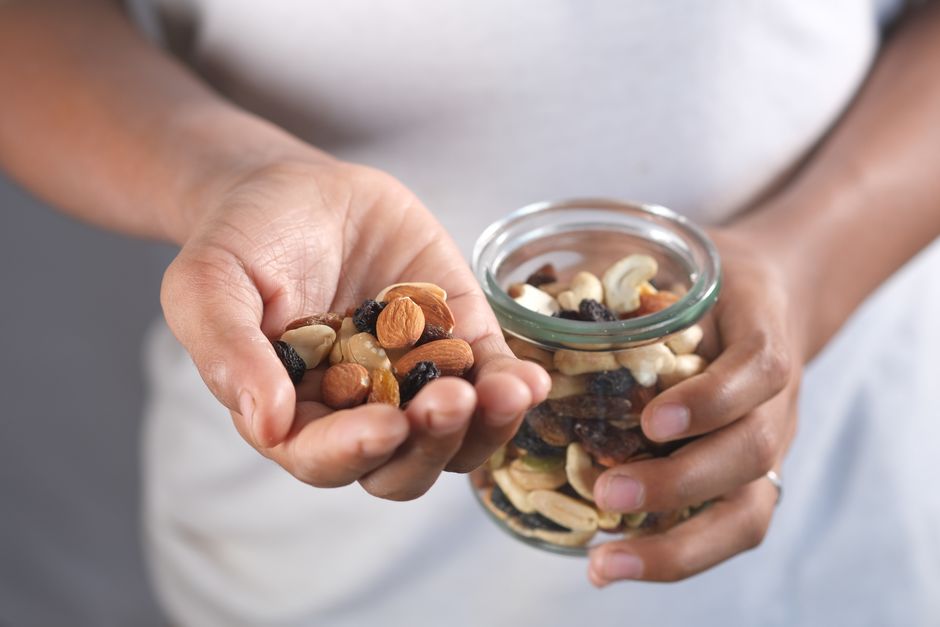
A peanut looks and tastes like a nut, but it is not one. Botanically, a peanut is a legume, not a tree nut. It belongs to the same family as beans, lentils, and peas. Understanding this difference matters for diet, allergies, and nutrition.
What Exactly Is a Peanut?
A peanut is the seed of a plant in the Fabaceae family, the same family that includes beans and peas. Unlike tree nuts that grow on trees, peanuts grow underground. The plant flowers above ground, and then the flower stalk bends down and buries the developing seed pod in the soil. That pod matures into the peanut you eat.
Because peanuts grow underground and are part of a legume family, botanists classify them as legumes, not nuts. This classification is not just academic. It affects how peanuts are digested, how they are used in cooking, and most importantly, how allergies to them work.
Is A Peanut A Nut Botanically?
No. Botanists reserve the term “true nut” for a hard-shelled fruit that does not split open to release its seed. Examples include acorns, chestnuts, and hazelnuts. Tree nuts like almonds, walnuts, and cashews are botanically drupes or seeds, not true nuts. But in common language and in food labeling, they are all called tree nuts.
Peanuts do not fit any of these categories. They are legumes. The seed pod splits open, and the seeds are loose inside. This is the same basic structure as a pea pod. So despite the name, a peanut is not a nut in any botanical sense.
Why Do People Think Peanuts Are Nuts?
The confusion comes from everyday language. Peanuts have a nut-like texture, a nutty flavor, and they are used in the same ways as tree nuts: in snacks, baked goods, and spreads. The word “nut” in “peanut” reinforces the idea. Culinary traditions group peanuts with nuts because they fill the same role in recipes.
Food labeling also blurs the line. In many countries, peanuts are listed separately from tree nuts on allergen labels. But in older cookbooks and common speech, peanuts were simply called nuts. This practical naming stuck even though it is botanically incorrect.




How Is a Peanut Allergy Different from Tree Nut Allergy?
Peanut allergy and tree nut allergy are caused by different proteins. The immune system reacts to proteins in peanuts that are not the same as those in walnuts, almonds, or cashews. This means a person can be allergic to peanuts but not to any tree nut, and vice versa.
However, about 30 to 40 percent of people with a peanut allergy also react to at least one tree nut. This is not due to the same protein, but because some people have separate allergies to both. The exact reason is not fully understood, but it is common enough that doctors often recommend allergy testing for tree nuts if a peanut allergy is confirmed. Having one allergy does not guarantee the other, but it does raise the risk.
Are There Nutritional Differences Between Peanuts and Tree Nuts?
Yes. Peanuts and tree nuts both offer healthy fats, protein, and fiber, but the amounts vary. Peanuts are generally higher in protein than most tree nuts. One ounce of peanuts provides about 7 grams of protein, while almonds provide about 6 grams, and walnuts about 4 grams.
Peanuts also contain more B vitamins, especially niacin and folate. Tree nuts tend to have more vitamin E, magnesium, and selenium. The fat in peanuts is mostly monounsaturated, similar to almonds. Tree nuts like walnuts are higher in polyunsaturated fats, including omega-3s.
Both are nutrient-dense foods. The differences are small enough that neither is clearly superior. Choosing a mix of peanuts and tree nuts gives you the widest range of nutrients.
Can Someone with a Peanut Allergy Eat Tree Nuts?
Not automatically. Because peanut allergy and tree nut allergy are separate conditions, some people with peanut allergy can safely eat tree nuts. But many others cannot, either because they are also allergic to tree nuts or because of possible cross-contamination in manufacturing.
The safest approach is to get tested by an allergist. Skin prick tests or blood tests can show which specific tree nuts, if any, trigger a reaction. Until then, doctors often advise avoiding all tree nuts if the peanut allergy is severe. This is a precaution, not a rule. Individual testing is the only way to know for sure.
Should You Avoid Peanuts If You Eat Tree Nuts?
No. If you have no allergy to peanuts, eating peanuts while eating tree nuts is perfectly safe. They are different foods from different plant families. The only reason to avoid peanuts with tree nuts would be if a recipe specifically calls for one or the other, or if you have a medical need to limit certain nutrients.
Some low-carb or ketogenic diets restrict legumes, including peanuts, because of their carb content. But for most people, peanuts are a healthy addition alongside tree nuts.
Frequently Asked Questions
Are peanuts and tree nuts the same?
No. Peanuts are legumes, while tree nuts are seeds or drupes that grow on trees. They come from different plant families.
Why are peanuts called nuts if they are legumes?
Because they are used and taste like nuts in cooking. Common language uses the word “nut” for any hard, edible kernel, even when the botanical classification is different.
Can you eat tree nuts if you are allergic to peanuts?
Maybe, but only after allergy testing. Many people with peanut allergy can safely eat tree nuts, but some cannot. Never assume it is safe without a doctor’s confirmation.
Are peanuts healthy to eat?
Yes. Peanuts are rich in protein, healthy fats, fiber, and several vitamins and minerals. They are a nutritious food when eaten in moderation as part of a balanced diet.
