
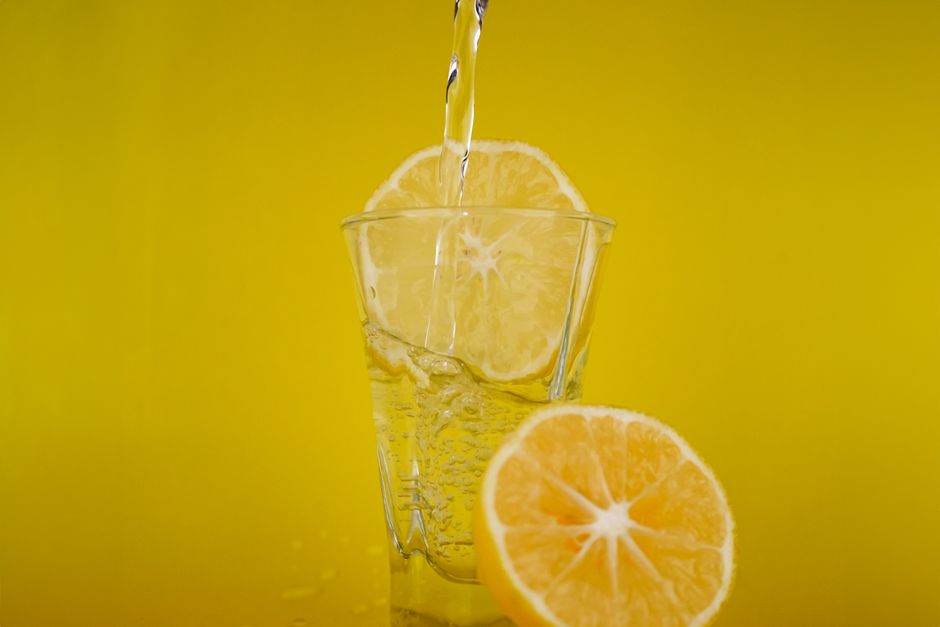
Lemons can help lower cholesterol, but the effect is modest and works best as part of a larger diet change. Research consistently shows that the vitamin C and plant compounds in lemons support heart health. However, drinking lemon water alone will not fix high cholesterol. The real benefit comes from replacing less healthy drinks with lemon water and adding lemon to a diet already rich in fruits and vegetables.
What does the science say about lemons and cholesterol?
Studies have found that citrus fruits like lemons can reduce total cholesterol and LDL (the “bad”) cholesterol. A 2015 study in rats showed that lemon peel extract lowered LDL and raised HDL (the “good”) cholesterol. Human studies are smaller but point in the same direction. One study of 30 people found that drinking lemon juice daily for four weeks lowered total cholesterol by about 8 percent. Another study looked at people with high cholesterol who drank lemon juice for eight weeks and saw a drop in LDL.
The effect is real but not dramatic. You cannot expect lemon water to replace medication. Statins lower LDL by 30 to 50 percent. Lemons lower it by single digits. That is still meaningful when combined with other healthy habits.
How do lemons affect cholesterol in the body?
Lemons contain several compounds that influence cholesterol. The main one is vitamin C. Vitamin C helps prevent LDL cholesterol from becoming oxidized. Oxidized LDL is more dangerous because it sticks to artery walls more easily. By reducing oxidation, vitamin C keeps LDL less harmful even if levels stay the same.
Lemons also contain pectin, a type of soluble fiber. Soluble fiber binds to cholesterol in the digestive tract and helps remove it from the body before it enters the bloodstream. A single lemon has about 1.5 grams of fiber, mostly in the pulp and pith. Juicing removes most of this fiber. You get more benefit by eating the whole lemon or at least including the pulp.
The flavonoids in lemons, especially hesperidin and naringenin, also play a role. These plant compounds reduce inflammation and improve how the body processes fats. Some research suggests they can lower cholesterol production in the liver.
Are Lemons Good For Cholesterol What Science Shows about daily intake?
The science shows that consistency matters more than quantity. Drinking lemon water once a week will not change your cholesterol. Using lemon daily for at least four weeks is where studies start to see effects.
One lemon per day appears to be the effective range. That provides about 30 to 40 milligrams of vitamin C and roughly 1.5 grams of fiber. The flavonoids are present in smaller amounts but still contribute. Squeezing half a lemon into water each morning is a reasonable target. Some people use lemon juice on salads or vegetables instead. Either way works.
There is no evidence that more lemons produce better results. Drinking lemon juice from ten lemons daily would not lower cholesterol ten times more. It would likely cause stomach irritation and enamel erosion from the acid. Stick to one lemon per day.




What happens to cholesterol when you replace sugary drinks with lemon water?
This is where lemons may have their biggest indirect effect. Many people drink soda, sweet tea, or fruit juice daily. Replacing those with lemon water removes a significant source of sugar and empty calories. High sugar intake raises triglycerides and LDL cholesterol while lowering HDL. Cutting sugar alone can improve cholesterol numbers.
A 12-ounce soda has about 39 grams of sugar. A glass of lemon water with fresh lemon has less than one gram. If you replace one soda per day with lemon water, you cut over 14,000 grams of sugar per year. That change alone can lower triglycerides by 10 to 15 percent in some people.
The lemon adds a small cholesterol benefit on top of that. But the removal of sugar is doing most of the work. Many articles about lemons and cholesterol ignore this factor. It matters more than the lemon itself.
Does lemon juice or lemon peel work better for cholesterol?
Lemon peel contains more fiber and flavonoids than the juice. The peel has about five times more pectin than the pulp. Animal studies often use lemon peel extract rather than juice. Human studies more commonly use juice because it is easier to consume regularly.
For practical purposes, using the whole lemon is best. Grate some zest into water or over food. Include the pulp when squeezing. Do not peel the lemon and discard the skin. The white pith under the peel is where most of the pectin sits.
Lemon juice alone still helps. It provides vitamin C and some flavonoids. It just misses the fiber component that directly binds cholesterol.
Can lemon water replace cholesterol medication?
No. This is a dangerous idea that circulates online. No study has shown that lemons can lower cholesterol enough to replace statins or other prescription medications. People with genetically high cholesterol or existing heart disease need medical treatment. Lemon water is a supportive habit, not a substitute.
Some people stop taking their medication after reading about natural remedies. That can cause cholesterol to rise quickly and increase heart attack or stroke risk. If you want to try lemon water for cholesterol, keep taking your medication and talk to your doctor about whether any adjustment is needed based on lab results.
What other lifestyle changes boost the effect of lemons on cholesterol?
Lemons work best alongside other evidence-based changes. A diet rich in soluble fiber from oats, barley, beans, and apples has a larger effect. Replacing saturated fats with unsaturated fats from olive oil, nuts, and fish also helps. Exercise raises HDL and lowers triglycerides. Weight loss of even 5 to 10 percent can improve total cholesterol.
The Mediterranean diet has the strongest evidence for cholesterol improvement. It includes plenty of fruits, vegetables, whole grains, and healthy fats. Adding lemon to this diet is natural and beneficial. But the diet itself is doing the heavy lifting.
Smoking cessation and moderate alcohol intake also matter. Smoking lowers HDL and damages artery walls. Alcohol in moderation may raise HDL, but more than one drink per day for women or two for men raises triglycerides and blood pressure.
Are there any risks to drinking lemon water daily?
Lemon water is safe for most people. The main concern is tooth enamel erosion. Lemon juice is acidic with a pH around 2.2. Frequent exposure can wear down enamel over time. Drink lemon water through a straw to minimize contact with teeth. Rinse your mouth with plain water afterward. Do not brush your teeth immediately after drinking lemon water. The acid softens enamel and brushing can damage it further. Wait at least 30 minutes.
Some people experience heartburn or acid reflux from lemon water. If you have GERD or a sensitive stomach, start with a smaller amount and see how you feel. Diluting one tablespoon of lemon juice in a full glass of water reduces the acidity.
There is no known interaction between lemons and cholesterol medications. But if you take medication for blood pressure or blood sugar, check with your doctor. Large amounts of lemon could theoretically affect potassium levels or interact with certain drugs.
Frequently Asked Questions
How much lemon water should I drink to lower cholesterol?
One lemon squeezed into water per day is enough to see a modest effect. Drinking more does not provide additional benefit and may damage tooth enamel.
How long does it take for lemons to lower cholesterol?
Studies show that drinking lemon water daily for four to eight weeks can lower cholesterol. Results vary by person and depend on diet and lifestyle.
Can lemon peel lower cholesterol better than lemon juice?
Lemon peel contains more fiber and flavonoids than the juice, so it may have a stronger effect. Using grated zest or including the pulp gives you more benefit than juice alone.
Does warm lemon water work better than cold lemon water for cholesterol?
There is no evidence that water temperature changes how lemons affect cholesterol. The active compounds in lemons are the same regardless of water temperature.
