
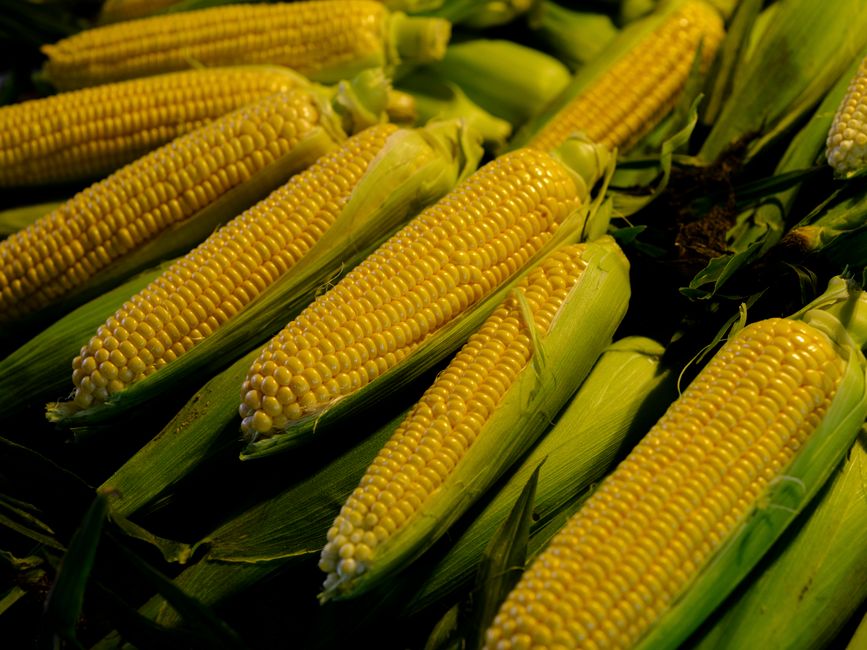
Many people assume corn is bad for cholesterol because it is a starchy vegetable. The short answer is no. For most people, corn does not raise cholesterol and can be part of a heart-healthy diet. The confusion comes from how corn is prepared and what is added to it.
Does Corn Raise Cholesterol Levels?
Research shows that whole corn does not raise cholesterol. Corn is a whole grain. The American Heart Association includes whole grains as part of a cholesterol-lowering diet. A 2019 study in the journal Nutrients found that whole-grain corn consumption was linked to lower total cholesterol and LDL cholesterol in some groups.
Corn contains fiber, which helps block some cholesterol from being absorbed into your bloodstream. One cup of corn has about 3.6 grams of fiber. That is not a huge amount, but it contributes to your daily needs. The fiber in corn is mostly insoluble, which helps digestion but does not directly lower cholesterol as strongly as soluble fiber from oats or beans.
What matters more is what you eat with corn. Butter, cream, cheese sauces, and frying oils add saturated fat. Saturated fat raises LDL cholesterol more than any other dietary component. Corn itself is not the problem. The toppings are.
What Does the Research on Corn and Cholesterol Actually Show?
Several studies have looked at corn specifically. A 2016 analysis in the Journal of Nutrition reviewed multiple trials on whole-grain corn. It found that eating whole-grain corn products led to lower total cholesterol and LDL cholesterol compared to refined grains. The effect was modest but consistent.
Another study from 2018 in Food & Function looked at corn bran specifically. Researchers found that corn bran lowered LDL cholesterol in people with mildly high cholesterol over four weeks. The effect was about a 5 percent reduction. That is not dramatic, but it is meaningful for a single food.
There is no strong evidence that corn oil raises cholesterol. In fact, corn oil is high in polyunsaturated fats, which can lower LDL cholesterol when they replace saturated fats. The American Heart Association recommends replacing saturated fats with polyunsaturated or monounsaturated fats. Corn oil fits that recommendation.
Is Corn Syrup or Processed Corn Bad for Cholesterol?
High-fructose corn syrup is different from whole corn. It is a sweetener made from corn starch. The evidence on high-fructose corn syrup and cholesterol is mixed. Some studies suggest it can raise triglycerides and LDL cholesterol, especially when consumed in large amounts. But the same is true for any added sugar.
The real issue is that high-fructose corn syrup adds empty calories to foods. It is found in sodas, candy, baked goods, and sugary cereals. These foods often lack fiber and other nutrients. A diet high in added sugars is linked to higher triglycerides, lower HDL cholesterol, and increased heart disease risk.
Processed corn products like corn chips, tortilla chips, and popcorn with butter or oil are where the risk lies. These foods are often high in saturated fat, sodium, and calories. A 2015 study in the American Journal of Clinical Nutrition found that people who ate more ultra-processed foods had higher LDL cholesterol and lower HDL cholesterol. Corn chips fall into that category when eaten regularly in large amounts.



How Does Corn Compare to Other Grains for Cholesterol?
Not all grains affect cholesterol the same way. Here is a quick comparison of common grains based on their fiber content and cholesterol effects.
| Grain | Fiber per cup (cooked) | Effect on LDL cholesterol |
|---|---|---|
| Oats | 4 grams | Moderate reduction due to beta-glucan |
| Barley | 6 grams | Moderate reduction due to beta-glucan |
| Brown rice | 3.5 grams | Mild reduction |
| Whole corn | 3.6 grams | Mild reduction |
| White rice | 0.6 grams | No effect or slight increase |
| Refined wheat | 1 gram | No effect or slight increase |
Corn is similar to brown rice in its effect on cholesterol. It is not as powerful as oats or barley, but it is better than refined grains like white rice or white bread. The key takeaway is that whole corn is a neutral to mildly beneficial food for cholesterol. Refined corn products are not.
What Are the Best Ways to Eat Corn for Heart Health?
Preparation matters more than the corn itself. Here are practical ways to eat corn without harming your cholesterol.
- Eat corn on the cob with minimal butter. Use herbs or a small amount of olive oil instead.
- Choose air-popped popcorn. Skip the butter and salt. Add nutritional yeast or spices for flavor.
- Use corn as a side dish instead of white rice or pasta. It adds fiber and volume.
- Add corn to salads, soups, or salsas. It provides texture and sweetness without added fat.
- Limit corn chips and tortilla chips. If you eat them, pair with salsa or guacamole instead of cheese sauce.
One common mistake is assuming that all corn products are the same. A bowl of whole corn kernels is very different from a bag of corn chips. The processing removes fiber and adds fat and sodium. Your body processes them differently.
Another non-obvious point is that corn can help with weight management when used correctly. A 2017 study in the Journal of Medicinal Food found that whole corn consumption was linked to lower body weight and waist circumference in some populations. Maintaining a healthy weight is one of the most effective ways to manage cholesterol. Corn itself is not a weight-loss food, but it can replace less healthy starches.
Common Misconceptions About Corn and Cholesterol
A widespread myth is that corn is a vegetable and therefore should be limited on a low-cholesterol diet. Corn is actually a whole grain. The USDA classifies it as both a vegetable and a grain depending on how it is used. But nutritionally, it behaves like a grain. Whole grains are recommended for heart health.
Another myth is that corn oil is bad because it is high in omega-6 fatty acids. Some people claim that omega-6 fats cause inflammation and raise heart disease risk. The evidence does not support this. A 2019 review in the Journal of the American Heart Association found that replacing saturated fat with polyunsaturated fats, including omega-6, lowered heart disease risk. The omega-6 concern is largely overhyped in the general population.
A third misconception is that GMO corn is harmful for cholesterol. There is no clinical evidence that genetically modified corn affects cholesterol differently than non-GMO corn. The safety of GMO foods is a separate issue from cholesterol. The FDA and World Health Organization have stated that approved GMO crops are safe for consumption. Cholesterol concerns should focus on diet patterns, not genetic modification.
What to Avoid When Eating Corn for Cholesterol Management
If you are watching your cholesterol, avoid these common corn preparations.
- Movie theater popcorn. A medium serving can have 20 grams or more of saturated fat from coconut oil and butter.
- Corn dogs. The batter is fried and the cornmeal is refined. The hot dog adds saturated fat and sodium.
- Creamed corn. Canned creamed corn often has added sugar, cream, and sodium.
- Cornbread made with butter, oil, or cheese. Traditional cornbread recipes are high in saturated fat.
- Frozen corn dishes with cheese sauces. These are often ultra-processed and high in saturated fat.
None of these foods are dangerous in small amounts. But if you eat them regularly, they can contribute to higher LDL cholesterol. The corn itself is not the issue. The added fats and sugars are.
One practical tip is to read labels on canned corn. Many brands add sugar or salt. Look for “no salt added” or “no sugar added” versions. Frozen corn without added sauces is also a good choice.
Can Corn Be Part of a Cholesterol-Lowering Diet?
Yes. The Mediterranean diet, which is widely recommended for heart health, includes whole grains like corn. The DASH diet also includes grains. Both diets emphasize whole foods over processed ones.
Corn provides B vitamins, magnesium, and antioxidants like lutein and zeaxanthin. These nutrients support overall health but do not directly lower cholesterol. The fiber and whole-grain status are what matter for cholesterol.
If you have high cholesterol, focus on the overall pattern of your diet. Replace refined grains with whole grains. Reduce saturated fat from butter, cheese, and fatty meats. Add more vegetables, fruits, and legumes. Corn can fit into this pattern as long as it is whole and minimally processed.
Frequently Asked Questions
Does corn oil raise cholesterol?
No. Corn oil is high in polyunsaturated fats, which can lower LDL cholesterol when used in place of saturated fats.
Is popcorn bad for high cholesterol?
Air-popped popcorn is fine. The problem is butter, oil, and salt added to movie theater or microwave popcorn.
Can I eat corn on a low cholesterol diet?
Yes. Whole corn is a whole grain and fits into a heart-healthy diet. Limit added butter and salt.
Does high-fructose corn syrup affect cholesterol?
High-fructose corn syrup can raise triglycerides and LDL when eaten in large amounts, like any added sugar.
