

A blood pressure reading of 124/69 mmHg falls into the elevated category, not the normal range. The top number (systolic) is slightly above the ideal threshold of 120, while the bottom number (diastolic) sits comfortably in the normal range. For most adults, this reading is not a medical emergency, but it is a signal to pay attention to your blood pressure habits moving forward.
What Do the Numbers 124 and 69 Actually Mean?
Blood pressure readings always have two numbers. The first number, 124, is your systolic pressure. It measures the force of blood against your artery walls when your heart beats and pumps blood out. The second number, 69, is your diastolic pressure. It measures the pressure in your arteries when your heart rests between beats.
Both numbers matter, but they tell different parts of the story. A systolic pressure of 124 is the number that places this reading in the elevated category. A diastolic pressure of 69 is well within the normal range, which is typically considered below 80.
Your arteries are elastic tubes. When pressure stays too high for years, those tubes become stiffer and can develop damage. This damage increases the risk of heart attack, stroke, and kidney problems. The systolic number often gets more attention in older adults because it tends to rise with age as arteries naturally stiffen.
Is 124 69 A Good Blood Pressure What It Means for Your Health
According to the American Heart Association and the American College of Cardiology guidelines, a normal blood pressure is below 120/80 mmHg. The elevated category starts at 120-129 systolic with a diastolic below 80. Your reading of 124/69 fits precisely into that elevated category.
Elevated blood pressure means you are not in the danger zone yet, but you are on the path toward it. People with elevated blood pressure are more likely to develop hypertension (stage 1 or stage 2) in the future compared to people with readings below 120/80. It is a warning sign, not a diagnosis of disease.
The good news is that elevated blood pressure does not typically require medication. Lifestyle changes are the first-line approach for this range. Many people can bring their systolic number back below 120 with consistent healthy habits.
One important detail: a single reading does not tell the whole story. Blood pressure fluctuates throughout the day. It rises with stress, physical activity, caffeine, and even during a conversation with your doctor. One reading of 124/69 does not mean your average blood pressure is elevated. Your doctor will typically confirm a diagnosis based on multiple readings taken on different occasions.
How Doctors Confirm High Blood Pressure
A single elevated reading is not enough for a diagnosis. Your doctor will want to see a pattern. This usually means taking your blood pressure at several office visits spaced days or weeks apart. Some doctors use 24-hour ambulatory monitoring, where you wear a device that takes readings throughout the day and night.
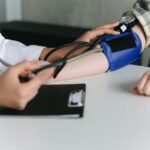
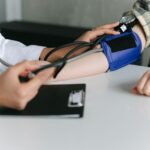
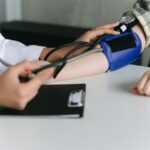
Home monitoring is also valuable. If you check your blood pressure at home, take it at the same time each day, sit quietly for five minutes first, and use a validated cuff that fits your arm properly. Avoid caffeine, exercise, and smoking for at least 30 minutes before measuring.
Your doctor will also consider your overall risk profile. A reading of 124/69 in a 35-year-old athlete carries different implications than the same reading in a 65-year-old with diabetes. Blood pressure is one piece of a larger picture that includes cholesterol, blood sugar, weight, smoking status, and family history.


Lifestyle Changes That Lower Elevated Blood Pressure
If your blood pressure runs consistently in the 120s systolic range, several evidence-based lifestyle changes can help bring it down. These are not speculative recommendations. Clinical research consistently supports their effectiveness.
- Reduce sodium intake. The average American consumes far more sodium than recommended. Cutting back to around 1,500-2,300 mg per day can lower systolic pressure by several points.
- Follow the DASH diet. The Dietary Approaches to Stop Hypertension eating plan emphasizes fruits, vegetables, whole grains, lean protein, and low-fat dairy. Studies show it lowers blood pressure within weeks.
- Increase physical activity. Regular aerobic exercise, such as brisk walking for 30 minutes most days, can lower systolic pressure by about 5-8 mmHg.
- Limit alcohol. More than one drink per day for women or two for men can raise blood pressure. Reducing intake often produces measurable improvement.
- Manage stress. Chronic stress contributes to elevated blood pressure, though the mechanism is complex. Relaxation techniques like deep breathing or meditation may help, though evidence for long-term blood pressure reduction is mixed.
- Maintain a healthy weight. Excess weight forces your heart to work harder. Losing even 5-10 pounds can produce a meaningful drop in blood pressure for overweight individuals.
Potassium also plays a role. Foods rich in potassium, such as bananas, sweet potatoes, spinach, and beans, help your kidneys excrete sodium and relax blood vessel walls. Most Americans get too little potassium rather than too much.
When Does Elevated Blood Pressure Become Hypertension?
Hypertension is diagnosed at 130/80 mmHg or higher. Stage 1 hypertension is 130-139 systolic or 80-89 diastolic. Stage 2 hypertension is 140/90 or higher. A hypertensive crisis is above 180/120 and requires immediate medical attention.
Your reading of 124/69 sits below the hypertension threshold. That is genuinely good news. But the gap between 124 and 130 is small. Without intervention, many people with elevated blood pressure progress to stage 1 hypertension within a few years.
Blood pressure tends to rise with age. The arteries naturally stiffen over time, which increases resistance to blood flow. This is why blood pressure screening becomes more important as you get older. A reading of 124/69 at age 40 may be your new normal by age 50 if you do not take preventive steps.
Some research suggests that even mild elevations in blood pressure, below the hypertension threshold, are associated with increased cardiovascular risk over decades. The relationship between blood pressure and heart disease risk is continuous. There is no sharp cliff where risk suddenly begins.
How Often Should You Check Your Blood Pressure?
For adults with normal blood pressure, checking once every 1-2 years during routine medical visits is reasonable. For those with elevated readings or other risk factors, more frequent checks are appropriate. Your doctor can recommend a schedule based on your individual situation.
Home monitoring is helpful for tracking trends, but it is not a substitute for professional evaluation. Home devices can be inaccurate if the cuff size is wrong or the device is not validated. If you use a home monitor, bring it to your doctor’s office occasionally to compare readings with their equipment.
Do not obsess over daily fluctuations. Blood pressure naturally varies. Morning readings tend to be higher than evening readings. A single high reading at home, without symptoms, is not a reason for alarm. Look at the overall pattern over weeks, not individual numbers.
What If Your Blood Pressure Stays Elevated Despite Lifestyle Changes?
Some people do everything right and still see their blood pressure creep up. Genetics play a significant role in blood pressure regulation. If you have a family history of hypertension, you may need to work harder to maintain healthy levels.
If lifestyle changes do not bring your systolic pressure below 120, your doctor may discuss medication. This decision depends on your overall cardiovascular risk, not just your blood pressure number. A person with elevated blood pressure plus diabetes or kidney disease may be treated more aggressively than someone with no other risk factors.
Medication for blood pressure is not a sign of failure. It is a tool to protect your heart, brain, and kidneys from long-term damage. Many people require medication as they age, even with excellent lifestyle habits. The goal is always to prevent complications, not to achieve a perfect number on the cuff.
Frequently Asked Questions
Is 124/69 blood pressure normal or high?
It is elevated, not normal. The systolic number of 124 falls in the elevated range of 120-129, while the diastolic number of 69 is normal. It is not hypertension, but it is above the ideal threshold of 120/80.
Can 124/69 blood pressure be lowered without medication?
Yes, in most cases. Reducing sodium, following the DASH diet, increasing physical activity, limiting alcohol, and managing weight can lower systolic pressure back below 120. Medication is not typically prescribed for readings in the elevated range unless other risk factors are present.
Should I worry about a blood pressure reading of 124/69?
No, this reading does not require immediate concern. It is a warning sign to adopt or maintain healthy habits, but it is not a medical emergency. Multiple readings over time give a more accurate picture than any single measurement.
What is the difference between 124/69 and 120/80?
The difference is small but meaningful. 120/80 is the upper limit of normal blood pressure. 124/69 falls into the elevated category because the systolic number exceeds 120, even though the diastolic number is well below 80. Both readings are far from the hypertension threshold of 130/80.
