
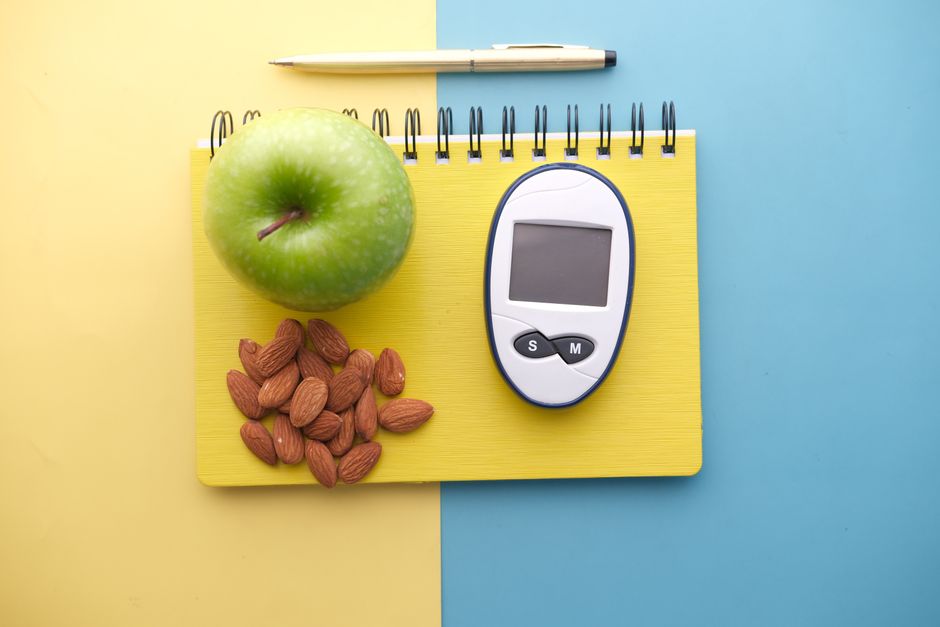
A blood sugar reading of 121 mg/dL is not normal, but it is not diabetes either — in most cases it falls into the prediabetes range. The number that matters is not 121 by itself. It is when you took the reading, what you ate beforehand, and whether this is a one-time result or a pattern.
If you tested fasting, 121 mg/dL is above the normal fasting range of 70 to 99 mg/dL. If you tested two hours after eating, 121 mg/dL is within the normal range of less than 140 mg/dL. The same number means two very different things depending on the test.
What Does a Glucose Reading of 121 mg/dL Mean?
The meaning depends entirely on the type of test. Blood glucose is measured in different ways, and each has its own reference range. A value of 121 mg/dL is read differently for each one.
Here are the standard ranges used by clinicians for adults without diabetes:
- Fasting glucose (no food for at least 8 hours): Normal is 70–99 mg/dL. Prediabetes is 100–125 mg/dL. Diabetes is 126 mg/dL or higher on two separate tests.
- Two-hour oral glucose tolerance test: Normal is under 140 mg/dL. Prediabetes is 140–199 mg/dL. Diabetes is 200 mg/dL or higher.
- Random glucose (any time of day): Under 140 mg/dL is generally considered normal. Over 200 mg/dL with symptoms suggests diabetes.
A fasting reading of 121 mg/dL sits in the prediabetes range. It is not diabetes. It is also not normal. It is a signal that your body is having more trouble managing blood sugar than it should.
One important clarification: a single 121 mg/dL reading does not diagnose anything. Diagnosis requires repeat testing. Blood sugar moves throughout the day in response to food, sleep, stress, exercise, illness, and medications. A doctor will typically confirm an abnormal result with a second test before drawing conclusions.
Is 121 Glucose High After Eating?
No. Two hours after a meal, 121 mg/dL is normal. The standard cutoff for normal post-meal glucose is below 140 mg/dL. A reading of 121 mg/dL falls comfortably inside that range.
Blood sugar naturally rises after you eat. The pancreas releases insulin, which moves glucose out of the bloodstream and into cells. In healthy people, this process brings glucose back down within about two hours. A post-meal reading of 121 mg/dL reflects that normal process working as it should.
Timing matters a great deal here. A reading taken 30 minutes after eating will look different from one taken two hours after eating. If you check at one hour, a higher number is expected and usually not concerning. The two-hour mark is the standard checkpoint because that is when glucose should have returned to near-baseline in people without diabetes.
What would be concerning after eating? A two-hour reading of 140–199 mg/dL falls into the prediabetes range. A reading of 200 mg/dL or higher suggests diabetes, particularly if confirmed on a second occasion.
What If 121 mg/dL Was a Fasting Reading?
This is where the number deserves attention. A fasting glucose of 121 mg/dL is above normal. It falls within the prediabetes range of 100–125 mg/dL.
Fasting glucose is measured after at least 8 hours without food. For most people, that means first thing in the morning before breakfast. In a person without diabetes, fasting glucose stays between 70 and 99 mg/dL because the liver releases a steady, controlled amount of glucose overnight to keep the brain and body supplied.
When fasting glucose creeps above 100 mg/dL, it usually means the body is becoming less responsive to insulin. The pancreas may still be producing insulin, sometimes even more than usual, but the cells are not responding to it as efficiently. This is called insulin resistance, and it is the core problem behind most prediabetes and type 2 diabetes.
A fasting reading of 121 mg/dL does not mean you have diabetes. It does mean the underlying process may already be underway. The good news is that prediabetes is often reversible with changes to diet, physical activity, and weight. The less good news is that without changes, prediabetes often progresses. Research consistently shows that a meaningful portion of people with prediabetes go on to develop type 2 diabetes, though the rate varies widely depending on lifestyle and other risk factors.



What Causes Blood Sugar to Reach 121 mg/dL?
Many things can push a single reading to 121 mg/dL. Some are temporary and harmless. Others reflect an ongoing pattern worth investigating.
Temporary causes include:
- Eating a meal high in refined carbohydrates or sugar shortly before testing
- Physical stress, illness, infection, or surgery
- Emotional stress, which triggers cortisol and raises glucose
- Poor sleep the night before
- Certain medications, including some steroids, diuretics, and antipsychotics
- Intense exercise, which can temporarily raise glucose in some people
Ongoing causes center on how the body handles glucose over time:
- Insulin resistance, often linked to excess weight around the abdomen
- Reduced insulin production from the pancreas
- Genetic predisposition to type 2 diabetes
- Long-term use of medications that affect glucose metabolism
- Other conditions such as polycystic ovary syndrome or Cushing’s syndrome
Age matters too. Glucose tolerance tends to decline gradually with age, which is why routine screening becomes more important after 35 and especially after 45.
When Should You See a Doctor About a 121 mg/dL Reading?
Any fasting glucose between 100 and 125 mg/dL is worth a conversation with a doctor. That includes 121 mg/dL. This is not an emergency. It is a reason to get proper testing and a clear picture of what is happening.
See a doctor promptly if you have a reading of 121 mg/dL alongside symptoms such as:
- Increased thirst that does not go away
- Frequent urination, especially at night
- Unexplained weight loss
- Blurred vision
- Persistent fatigue
- Slow-healing wounds or frequent infections
Those symptoms combined with elevated glucose could indicate diabetes rather than prediabetes, and they warrant timely evaluation.
If you have no symptoms and just noticed a 121 mg/dL fasting reading on a home meter, the next step is usually a lab-based test. Home meters are useful but not as precise as laboratory testing. A doctor may order a fasting plasma glucose test, an A1C test, or an oral glucose tolerance test to confirm what is going on.
An A1C test measures average blood sugar over the previous two to three months. It gives a broader view than a single reading. The standard A1C ranges are:
- Normal: below 5.7%
- Prediabetes: 5.7% to 6.4%
- Diabetes: 6.5% or higher
These are established diagnostic thresholds used across clinical practice. They are not adjusted based on a single home reading.
What Can You Do About Prediabetes-Range Glucose?
Prediabetes is one of the more actionable findings in medicine because lifestyle changes have been shown to make a real difference. Large clinical trials, including the Diabetes Prevention Program in the United States, found that structured lifestyle changes reduced the progression from prediabetes to type 2 diabetes more effectively than medication in many participants.
Those lifestyle changes generally involved modest weight loss, increased physical activity, and dietary improvements. The specifics matter less than consistency. Some approaches that have evidence behind them:
- Losing 5% to 7% of body weight if you are overweight
- Getting at least 150 minutes of moderate physical activity per week, such as brisk walking
- Reducing refined carbohydrates and added sugars
- Eating more fiber from vegetables, legumes, and whole grains
- Getting enough sleep and managing stress
No single food or supplement has been shown to reverse prediabetes on its own. Marketing claims about specific products “balancing blood sugar” are not supported by strong clinical evidence. The interventions with the best evidence are the unglamorous ones: movement, food quality, and weight.
Some clinicians also prescribe metformin for prediabetes, particularly for people at higher risk. This is a decision to make with a doctor based on your individual situation. It is not a universal recommendation.
How Often Should You Check If You Have Prediabetes-Range Readings?
If you have confirmed prediabetes, most clinical guidance suggests checking blood sugar at least once a year. Some doctors recommend more frequent monitoring depending on your risk factors, other health conditions, and how your numbers are trending.
If you have not been diagnosed but noticed a 121 mg/dL reading, do not start testing daily on your own. A single home reading is not enough information to act on. Get a proper lab test first, then follow your doctor’s guidance on how often to monitor.
For people without prediabetes or diabetes, routine screening typically begins around age 35 and repeats every three years if results are normal, though this can vary based on risk factors. People with a family history of diabetes, a history of gestational diabetes, or other risk factors may be screened earlier and more often.
Frequently Asked Questions
Is 121 glucose high?
It depends on the test. A fasting glucose of 121 mg/dL is above normal and falls in the prediabetes range of 100–125 mg/dL. A reading of 121 mg/dL two hours after eating is normal, since the cutoff for normal post-meal glucose is below 140 mg/dL.
Does a fasting glucose of 121 mean I have diabetes?
No. Diabetes is diagnosed at a fasting glucose of 126 mg/dL or higher on two separate occasions. A reading of 121 mg/dL falls in the prediabetes range and should be confirmed with repeat testing.
Can prediabetes-range glucose like 121 mg/dL be reversed?
Yes, prediabetes often responds to lifestyle changes. Large clinical trials have shown that modest weight loss, regular physical activity, and dietary improvements can reduce the risk of progressing to type 2 diabetes.
Should I worry about a single 121 mg/dL reading?
A single reading is not a diagnosis, but a fasting result of 121 mg/dL is worth discussing with a doctor. One number can be affected by stress, sleep, illness, or recent meals, so confirmation with lab testing is the appropriate next step.
