
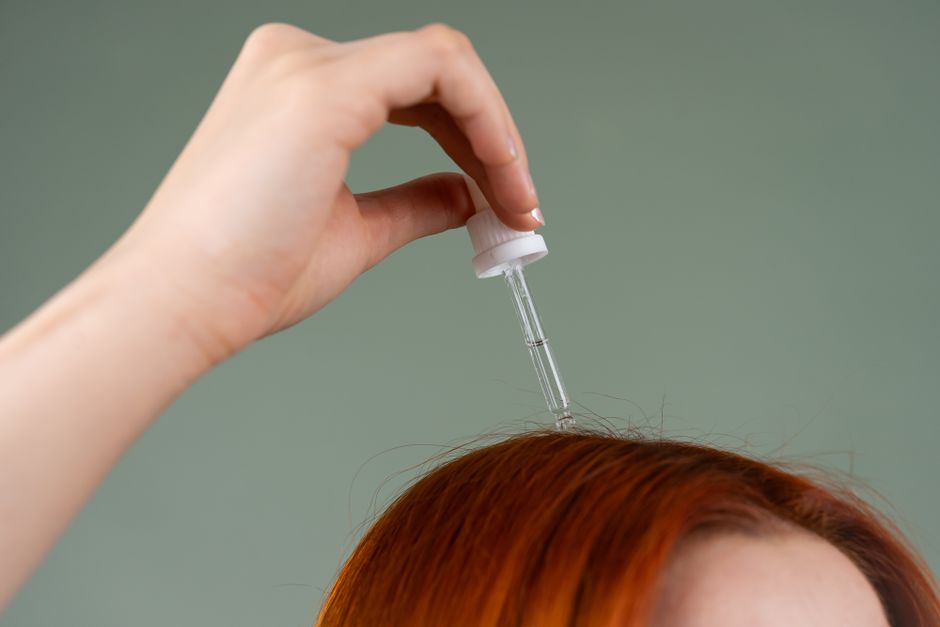
Wig glue can damage your hair and edges in several ways, including ripping out hair when the wig is removed, causing a condition called traction alopecia from constant pulling, and triggering allergic reactions or scalp burns from the adhesive chemicals. The damage often builds up slowly over months of wear, and by the time you notice thinning edges, some of the hair loss may be permanent. Understanding exactly how the damage happens is the first step to protecting your natural hair.
What Actually Happens To Your Hair Under Wig Glue?
Wig glue creates a strong bond between the adhesive and your skin and hair. That bond is often stronger than the hair follicle’s grip on the hair strand. When you remove the wig, the glue does not always let go cleanly. It can pull hairs out by the root.
This is not the same as normal shedding. Normal shedding removes hairs that are already in the resting phase. Glue removal pulls out hairs that are still actively growing. When growing hairs are pulled out repeatedly, the follicle becomes damaged and may stop producing hair altogether.
The skin on your hairline and edges is thinner than the skin on the rest of your scalp. Thin skin means less padding between the adhesive and the hair follicle. The follicles along your edges are also more sensitive to tension. That combination makes your edges the first place you notice damage.
How Does Traction Alopecia Develop From Wig Glue?
Traction alopecia is hair loss caused by prolonged pulling on the hair. Wig glue causes this in two ways. First, the weight of the wig pulls downward on the glued areas. Second, the glue itself shrinks slightly as it dries, creating constant tension on the hairline.
This tension does not hurt at first. Many women wear glued wigs for weeks without feeling any discomfort. But the pressure is constant. It never relaxes. Over time, the follicle responds to that pressure by shrinking and producing thinner hairs. Eventually, it may stop producing hair entirely.
Traction alopecia is often reversible in its early stages. If you catch it early and stop the pulling, the follicles can recover. But if the pulling continues for months or years, the follicle becomes permanently scarred. Scarred follicles do not grow hair back.
Research consistently shows that traction alopecia is one of the leading causes of permanent hair loss in women who wear tight hairstyles and glued wigs regularly.
Can The Glue Itself Damage Your Scalp?
Yes. The chemicals in wig glue can damage the scalp directly, not just through pulling. Many wig adhesives contain latex, cyanoacrylate, or other strong bonding agents. These chemicals can cause contact dermatitis, which is an inflammatory skin reaction.
Contact dermatitis from wig glue looks like redness, itching, swelling, and sometimes small blisters along the hairline. If the reaction is severe, the skin can crack or ooze. Scratching that irritated skin can introduce bacteria, leading to infections that damage the follicles even further.
Some people develop an allergic reaction to the glue over time. You might wear the same brand of glue for months without problems, then suddenly develop a reaction. This is called sensitization. Your immune system builds up a response to the chemical, and once sensitized, you may never be able to use that adhesive again.
There are also reports of chemical burns from wig glue, particularly when the glue is applied too thickly or left on too long. A chemical burn damages the top layers of skin. If the burn reaches the depth where hair follicles live, those follicles can be destroyed permanently.




How Does Glue Buildup Affect Your Hair Follicles?
Wig glue does not wash out with regular shampoo. It requires special removers, oils, or prolonged soaking. Many women do not remove all the glue completely. Over time, layers of old glue accumulate on the scalp and along the hair shaft.
This buildup creates a physical barrier. It can block the opening of the hair follicle, trapping oil, sweat, and dead skin cells underneath. That trapped material can lead to folliculitis, which is an inflammation or infection of the hair follicle. Folliculitis causes small red bumps that can be painful. Severe or repeated folliculitis can scar the follicle and cause permanent hair loss.
Glue buildup also makes the hair itself brittle. The adhesive coats the hair shaft and prevents moisture from getting in. The hair becomes dry, stiff, and prone to breakage. This breakage is different from follicle damage. The hair breaks off partway down the shaft rather than falling out from the root. But the result is the same — thinner, shorter edges.
How Long Does It Take For Glue Damage To Become Permanent?
There is no single timeline that applies to everyone. Some women develop permanent edge damage after just a few months of continuous glue wear. Others wear glued wigs for years with only minor thinning. The difference comes down to how your skin reacts, how often you wear glued wigs, and how carefully you remove them.
Early warning signs include a receding hairline, thinning edges, small bumps along the hairline, and hair that breaks off easily when you comb it. If you notice any of these signs, the damage is already happening. Stopping glue use at this point gives your follicles the best chance to recover.
Once the hairline has receded noticeably and the skin along the edge looks smooth and shiny, the follicles in that area are likely scarred. Shiny, smooth skin where hair used to grow is a classic sign of permanent follicle loss. At this stage, no topical treatment will bring the hair back.
What Are Safer Alternatives To Wig Glue?
If you want to protect your edges, the safest option is to avoid glue entirely. There are several alternatives that do not create the same pulling force or chemical exposure.
- Wig caps and adjustable straps: Wigs with adjustable bands or combs distribute pressure more evenly and do not require adhesives.
- Breathable grip bands: These silicone or velvet bands hold wigs in place using friction rather than adhesive. They do not pull on individual hairs the way glue does.
- Glueless wigs: Many lace front wigs are designed to be worn without adhesive. They use the tension of the wig cap itself to stay in place.
- Clip-in pieces: For partial coverage, clip-ins attach to your existing hair without touching your scalp or edges.
If you do choose to use glue occasionally, the evidence is clear that less frequent use causes less damage. Wearing glued wigs only for special occasions rather than daily wear gives your scalp time to recover between applications.
Some clinicians recommend rotating your hairstyle so no single area of your hairline bears constant tension. This advice is based on clinical experience with traction alopecia patients, though large controlled trials on specific rotation schedules do not exist.
How To Remove Wig Glue Without Damaging Your Hair
Removal technique matters as much as application. The most damaging thing you can do is peel or rip a glued wig off while it is dry. This pulls out large clumps of hair along with the adhesive.
The safest removal method involves breaking down the adhesive before you touch the wig. Oil-based removers, or simply coconut oil or olive oil, can soften the glue bond. Apply the oil generously along the glued edge and wait at least 15 to 30 minutes. Reapply as needed until the glue feels soft and slippery.
Once the glue is softened, gently lift the wig away from your scalp. Do not pull. If you feel resistance, stop and apply more oil. Patience during removal is the single most protective step you can take.
After the wig is off, wash your scalp with a gentle cleanser to remove any remaining oil and glue residue. Follow with a moisturizer designed for the scalp. Do not scrub your edges vigorously. The skin there is already irritated from the glue removal, and scrubbing adds more trauma.
Can Damaged Edges Grow Back?
It depends on whether the damage is temporary or permanent. If the follicles are inflamed but not scarred, they can recover. Hair regrowth typically becomes visible within three to six months after you stop using glue, though some women see results sooner.
If the follicles are scarred, they will not grow hair again. No oil, vitamin, or supplement can revive a scarred follicle. Be wary of products that claim to regrow hair on completely bald edges. No clinical evidence supports these claims for scarred follicles.
If you have already lost your edges, a dermatologist can evaluate whether the follicles are permanently damaged. In some cases, they may recommend treatments for the surrounding healthy follicles. But the most honest answer is that prevention is far more effective than treatment for glue-related hair loss.
Frequently Asked Questions
Can wig glue permanently damage your hairline?
Yes, wig glue can permanently damage your hairline if the pulling and inflammation continue long enough to scar the hair follicles. Scarred follicles cannot regrow hair.
How do you know if your edges are damaged from wig glue?
Look for a receding hairline, thinning edges, small red bumps, and hair that breaks off easily. Shiny, smooth skin where hair used to grow indicates permanent follicle loss.
How long should you leave wig glue on your scalp?
Most wig adhesives are designed to be worn for one to two weeks at most, but even this duration can cause damage with repeated use. Shorter wear times and longer breaks between applications reduce the risk of follicle damage.
Is wig glue or tape better for your hair?
Neither is truly safe for your edges, but tape generally covers a smaller area and may cause less widespread follicle damage than glue applied across the entire hairline. The safest option is to avoid both and use glueless wigs or grip bands.
