
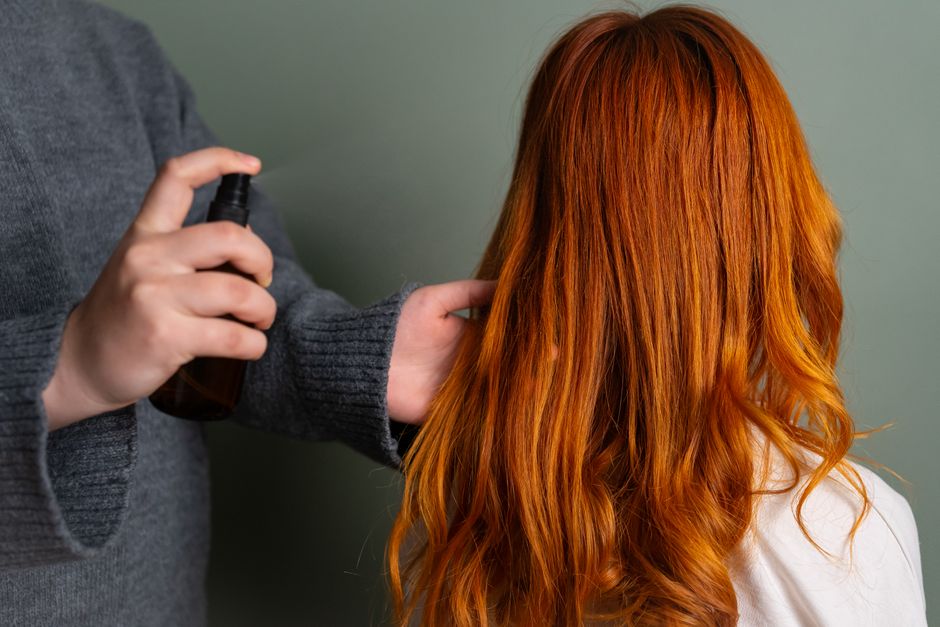
Putting hair color on wet hair changes how the dye works, and for most people it is not the right approach. The short answer is no — you should not put permanent hair color on soaking wet hair. Wet hair dilutes the color, alters how it penetrates the hair shaft, and often leads to uneven, patchy results. There are a few specific exceptions for certain products, but the general rule is that hair color performs best on dry, freshly washed hair.
Why Does Hair Color Work Better on Dry Hair?
Hair color needs to penetrate the outer layer of the hair, called the cuticle, to deposit color inside the cortex. When hair is dry, the cuticle is in its natural resting state, which allows the color to work as intended.
Water changes the structure of the hair. Wet hair swells and the cuticle lifts slightly. That sounds like it would help color absorb, but it actually causes problems. The color becomes diluted and spreads unevenly across the hair shaft. The result is often lighter at the roots and darker at the ends, or vice versa, with no consistent tone.
Permanent color also relies on a chemical reaction. The ammonia or other alkalizing agents open the cuticle, and the developer helps the color molecules penetrate. Water interferes with this reaction by diluting the developer. When the developer is weakened, the color does not lift or deposit the way it should.
What Happens When You Apply Color to Wet Hair?
Several things go wrong when you color wet hair. The most common issue is uneven color. Water prevents the color from adhering evenly, so some sections of hair absorb more pigment than others.
Color can also appear washed out. Since the water dilutes the dye, the final color is often lighter than the shade on the box. If you are trying to cover gray hair, wet application is especially risky. Gray hair is resistant to color because it has a tighter cuticle. Water makes that worse, so coverage tends to be patchy or incomplete.
Another issue is color bleeding. Wet hair holds water, and that water can carry pigment away from the hair before it has time to set. This is why color on wet hair often fades faster than color applied to dry hair.
Are There Any Exceptions?
Some products are designed for wet hair. Semi-permanent and demi-permanent colors, often called glosses or rinses, can be applied to damp hair in some cases. These products do not contain ammonia and work by coating the outside of the hair rather than penetrating deeply. They deposit less pigment and fade gradually, so slight dilution is less of a problem.
Even with these products, the instructions on the package matter. Some glosses are designed for towel-dried hair, while others require completely dry hair. Always follow the specific directions for the product you are using.
Bleach is a different category. Bleach should almost always be applied to dry hair unless the product instructions specifically say otherwise. Wet bleach can cause uneven lightening and increase the risk of damage because the bleach may process unevenly across sections.

How Wet Is Too Wet?
Towel-dried hair is not the same as soaking wet hair. Some colorists apply certain color treatments to damp hair for specific techniques. This is not the same as applying box dye to dripping wet hair in the shower.
The distinction matters. Damp hair after towel drying still contains water, but much less than hair straight out of the shower. Even so, most permanent hair color instructions specify dry hair. If a product says “apply to dry hair,” that is the condition that will give the most reliable result.
If you have ever seen a professional colorist spray water on hair before applying color, that is usually for a specific technique like balayage or a gloss treatment. It is not the standard approach for permanent color.
Does Hair Type Change the Answer?
Hair texture and porosity influence how color behaves, but they do not change the basic rule. Porous hair absorbs water and color quickly. Low-porosity hair resists both. In either case, water still dilutes the color and interferes with the chemical process.
Curly hair is sometimes colored when damp because the curl pattern is easier to see and sections are easier to manage. Some colorists do this for certain techniques. But this is a professional judgment call, not a general recommendation for home coloring. The colorist adjusts the formula to compensate for the water, which is something a home user cannot easily do.
If your hair is damaged or very porous, it will absorb color faster. Water makes that absorption even more unpredictable. Damaged hair also holds water longer, so it may still be wet on the inside even when it feels dry on the surface.
What Is the Right Way to Prepare Hair for Coloring?
Start with dry hair that is not coated in heavy product. Most permanent colors work best on hair that was washed 24 to 48 hours earlier. The natural oils on the scalp help protect it from irritation, and the hair is clean enough for the color to work.
If your hair is dirty or full of styling products, wash it the day before you color. Do not wash it immediately before coloring unless the product instructions say otherwise. Freshly washed hair can be too slippery for color to grip, and a wet scalp dilutes the dye at the roots.
Brush your hair to remove tangles before you start. Color application is easier on smooth hair, and you are less likely to miss sections. Section your hair into four quadrants and apply the color systematically from root to tip.
Do not apply color in a steamy bathroom. Humidity and moisture in the air can affect how the color processes. A dry, well-ventilated room is better.
Can You Fix Color Applied to Wet Hair?
If you already colored wet hair and the results are uneven, do not immediately reapply color. Reapplying too soon can damage the hair and make the problem worse. Wait at least a week before attempting any correction.
For minor unevenness, a semi-permanent gloss in a shade close to your target color can help blend the tone. For significant patchiness, a professional colorist may need to correct it. This can involve color removal, which is a process that should only be done by someone experienced.
If the color came out too light, adding more color on top will not fix it. The hair needs to be filled with a complementary tone first. This is a technical skill that requires knowledge of color theory.
What About Color Depositing Conditioners and Masks?
Color depositing conditioners are a different product category. These are designed to refresh color between dye jobs. They contain low levels of pigment and condition the hair at the same time. These products are often meant to be used on damp or towel-dried hair after shampooing.
These products do not permanently change the hair color. They coat the hair temporarily and wash out over several shampoos. Using them on damp hair is fine because the goal is a temporary tint, not a lasting color change.
Do not confuse these with permanent or demi-permanent color. The instructions are different, and the chemistry is different.
Does the Type of Hair Color Matter?
Permanent color, demi-permanent color, semi-permanent color, and bleach all behave differently on wet hair. Permanent color and bleach are the most sensitive to water. Semi-permanent and demi-permanent colors are more forgiving but still work best on dry hair.
Read the label before you start. The manufacturer sets the instructions based on how the product was tested. If the box says dry hair, use dry hair. If it says damp hair, towel dry first and do not apply to dripping hair.
No reliable evidence suggests that coloring wet hair improves results for any product. The idea that water helps color absorb is a myth. Water dilutes, and dilution is never helpful for permanent color.
Frequently Asked Questions
Can I put hair dye on wet hair?
No, permanent hair dye should be applied to dry hair. Wet hair dilutes the color and leads to uneven, patchy results.
What happens if I dye my hair while it is wet?
The color will be weaker and less even than expected. You may see patchy coverage, lighter color than the box shade, and poor gray coverage.
Can I apply semi-permanent color to damp hair?
Some semi-permanent colors and glosses can be used on damp hair, but check the product instructions first. Permanent color and bleach should always go on dry hair.
Should I wash my hair before coloring it?
Most permanent colors work best on hair washed 24 to 48 hours earlier. Freshly washed hair can be too slippery, and wet hair dilutes the color.
