
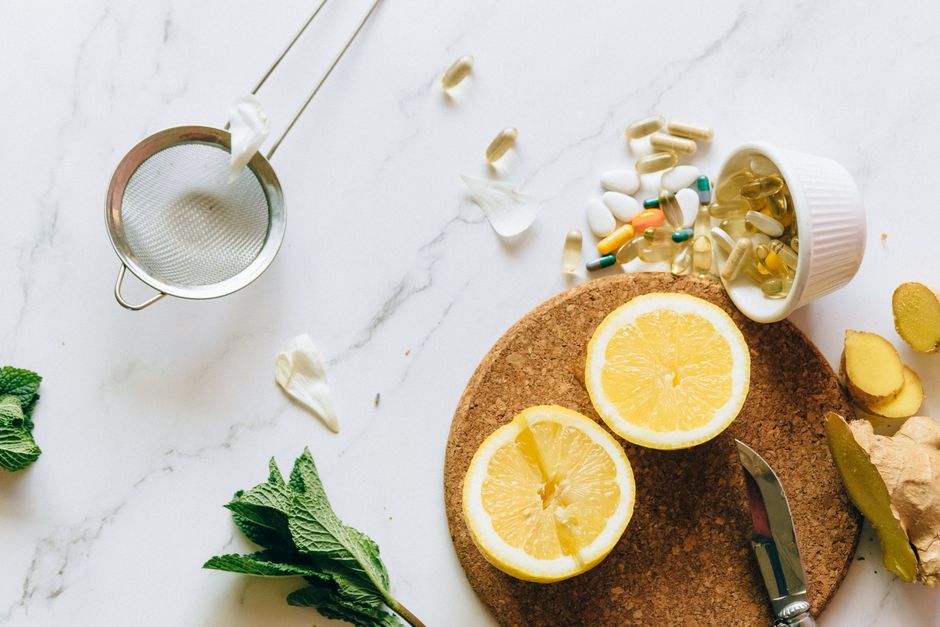
Vitamin C does not prevent anemia on its own, but it plays a real and well-documented role in helping your body absorb iron from plant foods. It does this mainly by converting iron into a form your intestine can take up more easily. Low iron intake is one of the most common causes of anemia worldwide, so pairing vitamin C with iron-rich foods is a practical, evidence-based habit.
The relationship is specific. Vitamin C boosts absorption of non-heme iron — the kind found in beans, lentils, spinach, and fortified grains. It has little effect on heme iron from meat. Understanding that distinction is the key to using it well.
How Vitamin C Prevents Anemia And Boosts Iron Absorption?
Vitamin C improves iron absorption by changing the chemistry of iron in your gut. Most iron in plant foods is in the ferric form (Fe3+), which is poorly absorbed. Vitamin C reduces it to the ferrous form (Fe2+) and keeps it soluble, so it can cross into the cells lining your small intestine.
This is not a minor effect. Controlled absorption studies have found that adding vitamin C to a meal can increase non-heme iron uptake substantially — in some cases several-fold, depending on the meal and the person. The exact size of the boost varies widely. It depends on how much iron is in the food, how much vitamin C is present, and what else is on the plate.
The word “prevents” needs care. Vitamin C helps you absorb iron. If your diet supplies enough iron and your body can use it, that supports normal red blood cell production and lowers the risk of iron-deficiency anemia. It does not treat anemia caused by blood loss, B12 deficiency, or other conditions. It is a supporting factor, not a stand-alone fix.
Why the form of iron matters
Iron comes in two forms, and they behave very differently in the body.
- Heme iron comes from meat, poultry, and fish. It is absorbed efficiently — typically in the range of 15 to 35 percent — and is not much affected by other foods.
- Non-heme iron comes from plants and fortified foods. It is absorbed less efficiently, often under 10 percent, and is strongly influenced by what you eat with it.
Vitamin C is one of the most powerful enhancers of non-heme iron absorption. This matters most for people who eat little or no meat, because plant iron is their main source.
What Happens in the Body When Vitamin C Meets Iron?
The small intestine is where iron absorption happens, and vitamin C acts right there. It keeps iron dissolved and chemically ready for transport across the intestinal wall.
Without enough vitamin C or other enhancers, plant iron tends to bind with compounds that block it — phytates in whole grains and legumes, and polyphenols in tea and coffee. Vitamin C competes with these blockers and can partly overcome their effect.
There is a practical detail many people miss. The vitamin C needs to be present in the same meal as the iron. Taking a vitamin C supplement hours before or after an iron-containing meal does not provide the same local boost in the gut. Timing together is what counts.
Which Foods Pair Vitamin C With Iron Best?
The most reliable approach is to combine a vitamin C source with a plant iron source in the same meal. This is simple to do with ordinary foods.
- Lentils or beans with tomatoes or bell pepper
- Spinach salad with citrus segments or lemon juice
- Fortified cereal with strawberries or orange slices
- Tofu stir-fry with broccoli and red pepper
- Whole-grain bread with a glass of orange juice
Bell peppers are notably high in vitamin C — well above citrus gram for gram. Broccoli, tomatoes, strawberries, kiwi, and potatoes also contribute. Cooking reduces vitamin C, so raw or lightly cooked sources preserve more.
How Much Vitamin C Do You Need to Help Iron Absorption?
The amount needed to improve iron uptake is modest. Research on absorption suggests that a relatively small quantity of vitamin C in a meal — roughly in the range of what a serving of fruit or vegetables provides — can meaningfully increase non-heme iron absorption. Larger amounts do not necessarily keep multiplying the benefit.
For general health, the recommended dietary allowance for vitamin C for adults is 90 mg per day for men and 75 mg per day for women, according to national nutrition guidelines. People who smoke are typically advised to get somewhat more. These figures are for overall vitamin C needs, not specifically for iron absorption, but they are a reasonable target to keep in mind.
You do not need high-dose supplements to support iron absorption. Food sources are the sensible default. Very high doses of vitamin C supplements can cause digestive upset in some people, and there is no established benefit to megadoses for this purpose.
Does Vitamin C Help Everyone’s Iron Levels?
No. The benefit is clearest for people whose diets are low in heme iron — vegetarians, vegans, and anyone eating little meat. For someone with a mixed diet already rich in meat, the added effect of vitamin C on total iron absorption is smaller.
It also does not correct anemia that has another cause. Iron-deficiency anemia can result from blood loss (including heavy menstrual bleeding or gastrointestinal bleeding), poor absorption due to gut conditions, or increased needs during pregnancy. In those cases, vitamin C alone will not fix the problem.
If you have symptoms of anemia — persistent fatigue, pale skin, shortness of breath, dizziness, or unusual coldness in hands and feet — see a clinician. Iron-deficiency anemia is diagnosed with blood tests, and treatment usually involves addressing the underlying cause plus iron supplementation under medical guidance. Self-treating with vitamin C or over-the-counter iron without a diagnosis can delay finding the real cause.
What Blocks Iron Absorption and How Does Vitamin C Help?
Several common foods and drinks reduce non-heme iron absorption when eaten at the same meal. Tea and coffee contain polyphenols that bind iron. Whole grains and legumes contain phytates. Calcium, from dairy or supplements, can also interfere with iron uptake when taken together.
Vitamin C does not erase these blockers, but it can offset part of their effect by keeping iron in an absorbable form. A practical habit: if you drink tea or coffee, have it between meals rather than with your main iron-containing meal. And when you do eat plant iron, add a vitamin C source alongside it.
The Bottom Line on Vitamin C and Iron
Vitamin C is a genuine, well-established enhancer of non-heme iron absorption. Eating vitamin C-rich foods with plant iron sources is a sound way to help your body get more iron from your diet. That supports normal red blood cell production and lowers the risk of iron-deficiency anemia when diet is the limiting factor.
It is not a treatment for anemia on its own, and it does not replace medical evaluation when symptoms appear. Used sensibly — as a meal-pairing habit rather than a supplement fix — it is one of the more reliable nutrition strategies backed by absorption research.
Frequently Asked Questions
Does vitamin C really increase iron absorption?
Yes. Research consistently shows vitamin C increases absorption of non-heme iron from plant foods by keeping it in a form the intestine can take up. It has little effect on heme iron from meat.
How much vitamin C should I take with iron?
A modest amount in the same meal — roughly what a serving of fruit or vegetables provides — is enough to improve absorption. High-dose supplements are not needed for this purpose.
Can vitamin C cure anemia?
No. Vitamin C helps iron absorption but does not treat anemia caused by blood loss, B12 deficiency, or other conditions. Anemia needs proper diagnosis and medical treatment.
Should I take vitamin C at the same time as iron?
Yes, if you want the absorption benefit. Vitamin C needs to be in the same meal as the iron source to help in the gut.
