
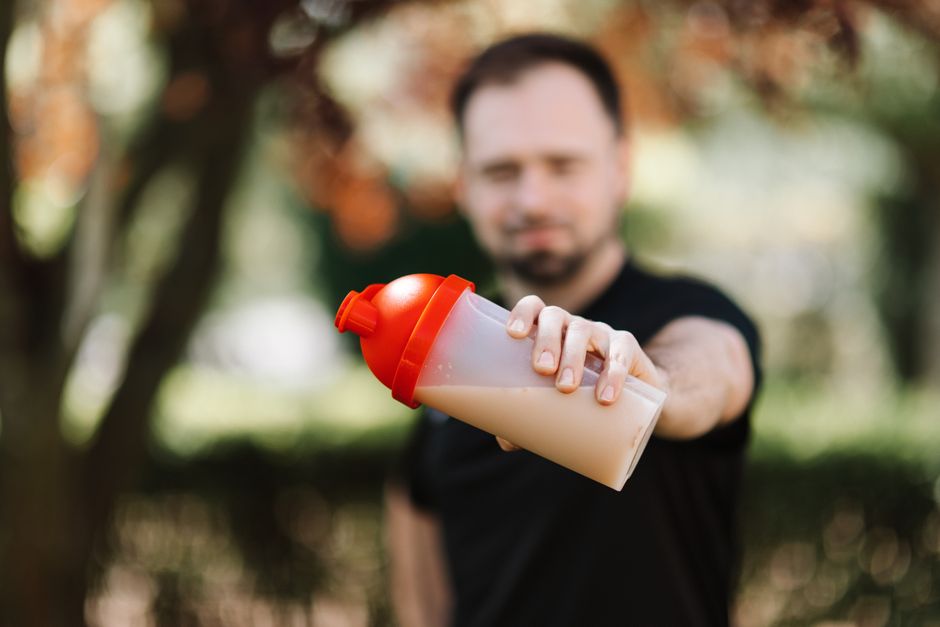
You can train hard without a pre-workout tub. The formula that actually works is simple: eat a small amount of carbohydrate with some protein 30 to 90 minutes before you train, drink enough water, and get caffeine from coffee or tea if you want a boost. Everything else a pre-workout supplement promises — bigger pumps, more endurance, faster recovery — can be built from food, sleep, and smart training habits.
Most pre-workout products are caffeine, sugar or artificial sweeteners, and a long list of ingredients at doses that research has not shown to do much. You do not need them. You need fuel, fluid, and a plan.
What Does A Pre-Workout Supplement Actually Do?
The main active ingredient in nearly every pre-workout is caffeine. That is the part with real evidence behind it. Caffeine is a stimulant that blocks adenosine, a molecule that builds up in your brain as you stay awake and makes you feel tired. Blocking it makes you feel more alert and can lower how hard a given effort feels.
The rest of the label is a mixed bag. Many products include beta-alanine, citrulline, taurine, B vitamins, and proprietary blends. Beta-alanine has some support for repeated short bursts of high-intensity effort over weeks of use, not for a single workout. Citrulline has been studied for blood flow, but doses in products often fall short of what trials used, and results vary. B vitamins do not boost energy unless you are deficient, which is uncommon in people eating a normal diet.
Proprietary blends are a red flag. They list ingredients without amounts, so you cannot tell whether you are getting a meaningful dose or a sprinkle. No clinical evidence confirms that most of these blends improve performance.
One clarification worth knowing: the “tingle” people feel from some pre-workouts is beta-alanine flushing your skin, not a sign the product is working harder. It is harmless for most people and unrelated to performance in that moment.
How To Workout Without Pre Workout Supplements?
Build your pre-training routine around three things: food, fluid, and timing. That is the whole method. Get these right and you will not notice a difference in your training.
Eat a small carb-and-protein snack about 30 to 90 minutes before training. Carbs top off the glycogen your muscles use for fuel. Protein gives your body amino acids to work with. Good options include a banana with a spoon of peanut butter, a slice of whole-grain toast with an egg, or a small bowl of oatmeal with milk.
Drink water. Even mild dehydration can make exercise feel harder and reduce performance. The American College of Sports Medicine generally advises drinking fluids before, during, and after exercise, and replacing losses afterward. Plain water covers most sessions under an hour.
Get caffeine from coffee or tea if you want a boost. A regular cup of coffee delivers a dose similar to many pre-workouts. You control the amount, and you skip the mystery blend. Avoid caffeine within several hours of bedtime so it does not wreck your sleep — sleep matters more for recovery than any supplement.
Warm up properly. Five to ten minutes of light movement and dynamic stretching raises blood flow and primes your nervous system. This does more for your first set than most products.
What Should You Eat Before A Workout?
Carbohydrate is the fuel your body reaches for first during moderate and hard training. Stored carbohydrate in your muscles, called glycogen, is limited. Eating carbs before exercise helps top it up, and research consistently shows that fueling before training supports performance, especially in sessions lasting longer than an hour.
Keep it small and easy to digest if you are training soon. Large, fatty, or very high-fiber meals sit in your stomach and can cause cramping or nausea during hard effort. The closer you are to your workout, the lighter the snack should be.
- Banana with a spoon of peanut butter
- Whole-grain toast with a boiled egg
- Small bowl of oatmeal with milk
- Greek yogurt with a handful of berries
- A piece of fruit and a small handful of nuts
If you train first thing in the morning, you do not have to eat a full meal. Some people train well fasted for short or moderate sessions. For longer or harder sessions, a small snack 30 minutes out usually helps. Try both and see how your body responds — this is one place where individual response matters more than any rule.


Does Caffeine Really Improve Performance?
Yes. Caffeine is one of the few supplements with strong, repeated evidence for improving exercise performance. Studies have found it can increase endurance, reduce perceived effort, and improve power output in many people. This is why it is the backbone of most pre-workout products.
Coffee and tea deliver caffeine just as well as a powder for most purposes. You do not need a supplement to get the effect. A cup of coffee before training is a legitimate, evidence-backed strategy.
Two cautions. First, caffeine affects people differently based on genetics, tolerance, and body size. Start small. Second, too much caffeine causes jittery nerves, a racing heart, and disrupted sleep. The FDA generally considers up to 400 milligrams a day safe for most healthy adults — roughly four cups of brewed coffee — but individual tolerance varies, and this guidance is not aimed at pregnant people or those with heart conditions, who should talk to a doctor.
Do You Need Supplements For Recovery?
No supplement beats the basics: sleep, protein, and enough total calories. Recovery is where most people look for a shortcut and where supplements deliver the least.
Protein supports muscle repair. Most active adults do well spreading protein across meals through the day. Food sources — eggs, dairy, meat, fish, beans, soy — work as well as powders for most people. A protein shake is convenient, not magic.
Sleep is the recovery tool with the deepest evidence. Short sleep impairs muscle recovery, mood, and performance. No pre-workout or recovery powder replaces it.
Hydration and electrolytes matter after long or very sweaty sessions. For most gym workouts under an hour, water and a normal meal cover it. Sports drinks are useful mainly for prolonged, intense exercise or hot conditions.
What About Beta-Alanine And Other Ingredients?
Some ingredients have real but narrow evidence. Beta-alanine has support for improving performance in short, high-intensity efforts — think repeated sprints or high-rep sets — but only with consistent daily use over several weeks to build up in muscle. It is not a single-dose boost, and the tingling it causes is not a sign of effectiveness.
Citrulline and beetroot juice (a source of dietary nitrate) have some evidence for blood flow and endurance, but results are mixed and doses in products often differ from what studies used. Creatine is well studied for strength and muscle over time, but it is a daily supplement, not a pre-workout stimulant, and it is not what most pre-workout products are built around.
Many other ingredients on labels — taurine, tyrosine, B vitamins, various herbal extracts — have limited or inconsistent human evidence at the doses used. The honest position: for most of them, no large trials confirm a meaningful benefit for the average gym-goer.
When Might A Pre-Workout Still Make Sense?
There are narrow situations where a pre-workout product is convenient rather than necessary. If you train very early and cannot stomach food, a small caffeine source is simpler than a full snack. If you are a competitive athlete with specific fueling needs, a sports dietitian can help you plan around training and competition.
For most people, though, the product is a convenience, not a requirement. If you do use one, read the label, check the caffeine content, and avoid proprietary blends so you know what you are taking. Talk to a doctor first if you have heart conditions, take medications, are pregnant or breastfeeding, or are sensitive to stimulants. No clinical guidelines set a safe pre-workout supplement dose for pregnant or breastfeeding people — the cautious choice is to skip stimulant products and ask your doctor.
Training without supplements is not a compromise. It is the default that most evidence supports. Fuel, fluid, sleep, and consistency do the work. The tub is optional.
Frequently Asked Questions
Can I workout hard without pre-workout?
Yes. Eating a small carb-and-protein snack, drinking water, and getting caffeine from coffee if you want it covers what most pre-workouts deliver. Training hard depends far more on sleep, nutrition, and consistency than on any supplement.
What can I drink before a workout instead of pre-workout?
Coffee and tea are the simplest swaps because they provide caffeine, the main active ingredient in most pre-workouts. Water is enough for hydration during sessions under an hour.
Is it OK to workout on an empty stomach?
Many people train well fasted for short or moderate sessions, but longer or harder workouts usually go better with some carbohydrate beforehand. Try both and see how your body responds.
Does caffeine actually improve workout performance?
Yes. Caffeine has strong, repeated evidence for improving endurance and reducing perceived effort in many people. Coffee delivers it just as well as a supplement for most purposes.
