
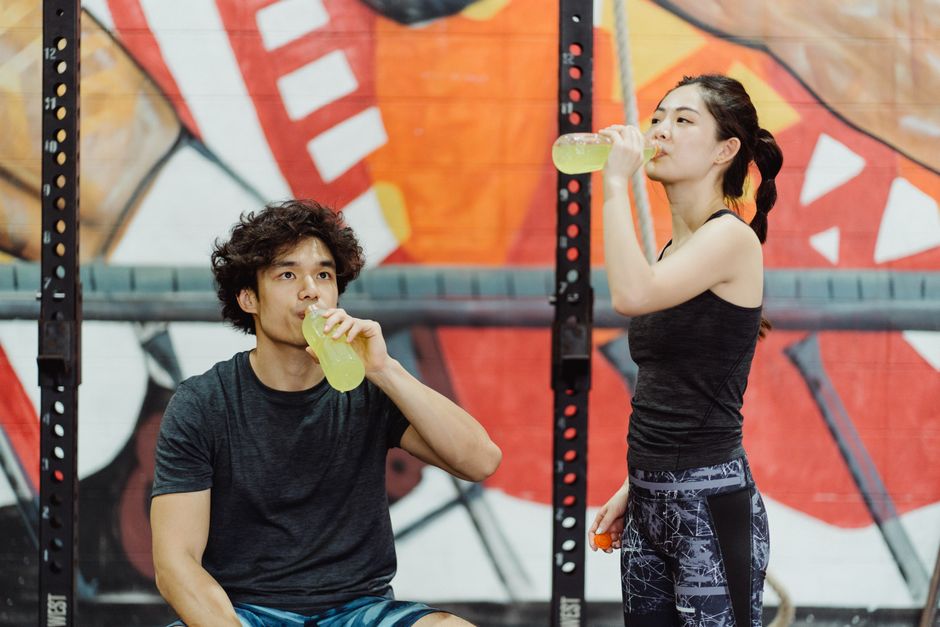
What you take after a workout matters most for two goals: replacing fluid and electrolytes you lost through sweat, and getting protein into your system to support muscle repair. For most healthy adults doing moderate exercise, plain water plus a normal meal within a few hours covers both. Supplements only add value in specific situations — long or intense sessions, back-to-back training, or when whole food isn’t practical.
What To Take After A Workout Nutrition Supplements?
The short answer: protein and fluids are the priorities. Carbohydrates matter if you trained hard or will train again soon. Everything else is optional and depends on your goals, your sweat rate, and how long you exercised.
After resistance training, muscle protein synthesis — the process your body uses to repair and build muscle — rises for hours. Providing amino acids through protein gives that process raw material. Research consistently shows that total daily protein intake matters more than precise timing, but the post-workout window is still a practical moment to get a serving in.
For endurance exercise, the picture shifts. You lose sodium, potassium, and water through sweat, and glycogen — stored carbohydrate in muscle and liver — gets depleted. Replacing those becomes the priority.
What you don’t need, in most cases, is a shelf full of products. A protein source, water, and sodium from food or a drink cover the fundamentals.
How Much Protein Do You Need After a Workout?
General sports nutrition guidance points to roughly 20 to 40 grams of protein after resistance exercise for most adults. That range appears in position stands from sports nutrition bodies and reflects what research shows is enough to stimulate muscle protein synthesis without wasting excess.
Body size shifts the number. A 130-pound person and a 220-pound person don’t need the same amount. A common approach is around 0.25 to 0.3 grams of protein per kilogram of body weight per post-workout meal. For a 150-pound adult, that’s roughly 17 to 20 grams. For a 200-pound adult, closer to 23 to 27 grams.
Daily total still wins. Most active adults benefit from roughly 1.4 to 2.0 grams of protein per kilogram of body weight per day, spread across meals. If you hit that total, the exact post-workout number matters less.
Protein sources and what they deliver
- Whey protein powder: fast-digesting, complete amino acid profile, roughly 20 to 25 grams per scoop
- Casein: slower-digesting, often used before bed rather than right after training
- Pea or soy protein: plant-based complete options, though pea is lower in methionine
- Greek yogurt: about 15 to 20 grams per cup, plus carbohydrates
- Eggs: about 6 grams per large egg
- Chicken or lean meat: roughly 25 to 30 grams per 3-ounce cooked portion
Powder is convenient, not superior. Whole food works. If you can eat a real meal within an hour or two, that meal does the job.
Do You Need Carbohydrates After a Workout?
Carbohydrates matter when your muscle glycogen is depleted and you need to refill it. That happens after long endurance sessions, high-intensity interval work, or multiple training sessions in a day.
For a 30-minute jog or a moderate weight session, glycogen loss is modest. Your next regular meal handles it. You don’t need a sports drink or a carb powder.
When refueling does matter, guidance often points to roughly 0.5 to 1.0 grams of carbohydrate per kilogram of body weight within the first couple of hours after exercise, especially if you’ll train again within 24 hours. Combining carbs with protein in that window may support glycogen resynthesis and muscle repair together.
If you’re training once a day and eating normally, timing is flexible. If you’re training twice a day or doing long events, get carbs in sooner.




What About Electrolytes and Hydration?
Replacing fluids after exercise is straightforward: drink enough to replace what you lost. A practical check is urine color — pale yellow suggests adequate hydration, dark yellow suggests you’re behind.
Sodium is the main electrolyte lost in sweat, and losses vary widely between people. Some people are “salty sweaters” who lose far more sodium than others. For sessions under an hour in mild conditions, water and a normal diet cover it.
For longer sessions, heavy sweating, or hot environments, sodium replacement helps. Sports drinks, electrolyte tablets, or simply salted food can work. Potassium and magnesium losses in sweat are smaller, and most people get enough from food.
You don’t need an electrolyte product for a typical gym session. You do need one if you’ve been sweating heavily for over an hour in heat.
What Supplements Have Real Evidence Behind Them?
Most post-workout supplements on the market have thin evidence. A few have solid research support.
Creatine monohydrate is one of the most studied sports supplements. It supports strength and muscle gains when combined with resistance training. Timing relative to workouts appears to matter less than consistent daily intake.
Caffeine has evidence for performance, though it’s usually taken before exercise, not after.
Beta-alanine has support for short bursts of high-intensity exercise, again typically pre-workout.
Protein powder is essentially food in convenient form. Its benefit depends on whether you’re hitting your protein target, not on any special property.
What has weak or absent evidence: most “recovery” blends, testosterone boosters, amino acid mixes sold separately from protein, and products marketed for “muscle recovery” without specifying a mechanism. No large human trials have confirmed benefits for many of these.
Do You Need Supplements If You Eat Well?
Often, no. If you eat enough protein across the day, drink enough water, and include sodium in your diet, you’re covering the basics without a supplement.
Supplements make sense when food isn’t practical — after a morning workout before work, during travel, or when appetite is low right after hard training. They also help when your diet genuinely falls short of protein needs.
They don’t fix a poor diet. They don’t replace sleep. They don’t substitute for a training plan that actually challenges you.
One clarification worth making: the “anabolic window” is wider than older advice suggested. You don’t need to sprint to a shaker within 30 minutes. A meal within a few hours after training is generally fine for most people.
What Should You Avoid After a Workout?
Alcohol after training impairs muscle protein synthesis and rehydration. If recovery matters to you, it’s worth waiting.
Very high-dose antioxidants right after training — particularly large doses of vitamins C and E — may blunt some of the adaptive signaling that exercise triggers. Some research suggests this, though results vary and the practical significance is debated. A normal diet with antioxidants from food isn’t a concern.
Excessive caffeine late in the day can wreck sleep, and sleep is one of the strongest recovery tools you have. That trade-off rarely works in your favor.
Skip products with proprietary blends that don’t list amounts. You can’t evaluate what you can’t measure.
Putting It Together: A Simple Post-Workout Approach
For most people, the plan is unglamorous. Drink water. Eat a meal with protein and carbohydrates within a couple of hours. Add sodium if you sweat heavily or trained long.
If you want a supplement, protein powder is the most practical. Creatine monohydrate has the strongest evidence base for strength and muscle support when taken consistently.
Match your intake to your training. A 45-minute moderate session doesn’t require the same recovery strategy as a two-hour ride in July or a double training day. The supplement industry rarely makes that distinction. Your body does.
Frequently Asked Questions
How much protein should I take after a workout?
General sports nutrition guidance suggests about 20 to 40 grams of protein after resistance training for most adults. A common approach is roughly 0.25 to 0.3 grams per kilogram of body weight.
Do I need a protein shake right after I lift?
No, a shake isn’t required if you eat a protein-rich meal within a few hours. The post-workout window is wider than older advice suggested.
Are electrolyte drinks necessary after every workout?
No, water and normal food cover most short or moderate sessions. Electrolyte drinks help most after long sessions, heavy sweating, or exercise in hot conditions.
What is the most evidence-backed post-workout supplement?
Creatine monohydrate has the strongest research support for strength and muscle gains when combined with resistance training. Protein powder is essentially convenient food and helps if you’re short on daily protein.
