
Working out while fasting is safe for most healthy adults, and it can support fat burning and metabolic health, but it is not a magic tool for better performance. The key risk is that your body has fewer immediate fuel stores during a fast, which can make high-intensity exercise feel harder. If your goal is general fitness, fat loss, or steady endurance, fasted workouts can work well. If your goal is building maximum strength or sprinting speed, you will likely perform better after eating.
What Happens to Your Body When You Exercise Fasted
When you fast, your body first uses stored glycogen — the sugar held in your liver and muscles — for energy. After about 8 to 12 hours without food, those liver glycogen stores become significantly depleted. At that point, your body shifts toward using fat as its primary fuel source.
This shift is the reason fasted exercise is often linked to fat loss. Your body is already in a fat-burning state, so exercise can amplify that process. Research consistently shows that fasted aerobic exercise increases fat oxidation compared to fed exercise. That means you burn more fat during the workout itself.
What does not happen is a special metabolic advantage that melts away more body fat over 24 hours. Some studies suggest total daily fat loss is similar whether you exercise fasted or fed, as long as your overall calorie intake is the same. The difference is mostly about which fuel you burn during the session, not the total fat lost over time.
The Benefits of Fasted Workouts
Fasted exercise offers several genuine advantages, especially for people who train early in the morning. Many people find it easier to exercise before breakfast because they have more energy and mental clarity without a recent meal. There is also a practical benefit: a fasted morning workout fits neatly into a time-restricted eating schedule.
Some research indicates that fasted training may improve insulin sensitivity. When your muscles are more responsive to insulin, your body handles blood sugar more efficiently. This is particularly relevant for people at risk of type 2 diabetes or those managing blood sugar levels.
There is also evidence that training in a fasted state can enhance the body’s ability to use fat as fuel during exercise. Over time, this adaptation may improve endurance performance because your body becomes more efficient at sparing glycogen. For long-distance athletes, this can mean less reliance on frequent carbohydrate intake during events.
A less obvious benefit is gastrointestinal comfort. Exercising on a full stomach can cause cramping, nausea, or reflux in some people. A fasted workout eliminates that problem entirely. If you have ever felt sluggish or sick during a run after breakfast, fasted training may feel better.
The Risks and Downsides
The main risk of fasted exercise is reduced performance. High-intensity activities — sprinting, heavy weightlifting, HIIT — rely heavily on glycogen. With limited glycogen stores, you will likely feel weaker, tire faster, and lift less weight. This is not speculation; it is basic exercise physiology. Glycogen is the preferred fuel for anaerobic work.
There is also a risk of low blood sugar, especially for people on certain diabetes medications. If you take insulin or sulfonylureas, exercising fasted can cause hypoglycemia. Anyone with diabetes should discuss fasted exercise with their doctor before trying it.
Another concern is muscle breakdown. Some research suggests that fasted exercise may increase protein breakdown because the body has no incoming amino acids to support muscle repair. The evidence is not conclusive, but it is enough to warrant caution for people whose primary goal is building muscle. If you train fasted and want to preserve muscle, eating protein shortly after your workout becomes more important.
Dehydration is an underappreciated risk. If your fast includes water restriction, such as during Ramadan, you are training without fluids as well as without food. Exercising in that state increases the risk of heat-related illness and dizziness. The fasted workout itself is not the problem — the lack of water is.





Best Types of Exercise to Do While Fasting
Low to moderate intensity exercise pairs best with fasting. Steady-state cardio like jogging, cycling, swimming, or brisk walking works well because your body can sustain these activities on fat fuel. This is why many people do their long slow runs or easy rides in a fasted state.
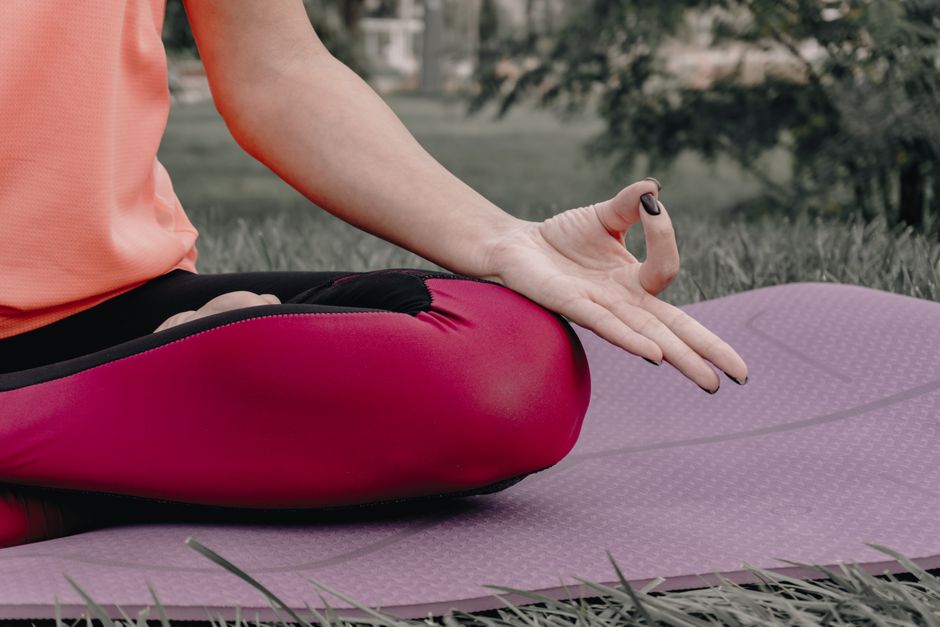
Yoga, Pilates, and mobility work are also excellent choices. These activities do not demand high glycogen output, and they benefit from the mental calm that some people experience during a fast.
Strength training in a fasted state is possible, but you should adjust expectations. You may complete your working sets, but the weight you can lift may drop, especially for compound movements like squats and deadlifts. If you prioritize strength gains, consider a compromise: eat a small protein-rich meal before lifting, or do your heavy sessions on days you are not fasting.
High-intensity interval training is the least ideal fasted workout. HIIT requires explosive power and rapid glycogen use. You will likely feel sluggish, and your performance will suffer. If you enjoy HIIT, schedule it during your eating window.
How to Work Out Safely in a Fasted State
Start gradually. If you have never exercised fasted, begin with 20 to 30 minutes of light cardio. Do not attempt a two-hour intense session on your first fasted day. Give your body time to adapt to using fat as fuel.
Hydration is non-negotiable. Water, black coffee, or unsweetened tea are all allowed during most fasts and do not break the fast in any meaningful way. Drink more than usual because you are not getting water from food. Electrolytes — especially sodium and potassium — become important if you sweat heavily during fasted exercise.
Listen to your body’s warning signs. Dizziness, lightheadedness, nausea, or unusual weakness are signals to stop and eat something. These symptoms indicate your body needs fuel, and pushing through them is not discipline — it is risk.
Time your post-workout meal. Eating protein within a couple of hours after fasted exercise helps support muscle repair. If your eating window allows it, make your first meal after a fasted workout rich in protein and some carbohydrates to replenish glycogen stores.
Who Should Avoid Fasted Workouts
Pregnant women should not exercise in a fasted state without medical approval. The demands of pregnancy increase energy needs, and fasting can lead to low blood sugar that affects both mother and baby.
People with a history of eating disorders should avoid fasted exercise entirely. The combination of food restriction and exercise can reinforce harmful patterns. If this applies to you, speak with a healthcare provider before incorporating fasted training.
Anyone with diabetes, particularly type 1 diabetes, needs medical guidance. Blood sugar management during fasted exercise is complex, and the risk of dangerous lows is real. Type 2 diabetes patients on certain medications face similar risks.
If you are new to fasting or exercise, or both, do not combine them right away. Build a consistent exercise habit first, then experiment with fasted sessions once you know how your body responds to training.
Does Fasted Exercise Burn More Belly Fat
Spot reduction — losing fat from one specific area — is a myth. You cannot target belly fat through fasted exercise or any other exercise. Fat loss happens throughout the body based on genetics, hormones, and overall energy balance.
What fasted exercise may do is increase fat oxidation during the workout, which contributes to overall fat loss over time if maintained consistently. But the idea that fasting during exercise selectively burns abdominal fat is not supported by evidence. Your body decides where it loses fat, not your workout schedule.
How Fasting Affects Muscle Growth
Building muscle while fasting is possible but more challenging. Muscle protein synthesis requires amino acids, and during a fast, your body has limited circulating amino acids. Training fasted can increase muscle protein breakdown, which works against growth.
This does not mean fasted workouts destroy muscle. It means the balance shifts. If you train fasted, your post-workout protein intake becomes critical. Research suggests that consuming 20 to 40 grams of protein after fasted training helps restore that balance and supports muscle repair.
Some evidence indicates that fasted training may actually enhance certain cellular pathways related to muscle adaptation. The research is preliminary, and it does not outweigh the practical disadvantages of training without fuel. For most people, the safest approach to building muscle is to eat before training or train within your eating window.
Frequently Asked Questions
Can I drink coffee before a fasted workout?
Yes, black coffee does not break a fast and may improve exercise performance. Adding milk, sugar, or cream will break a strict fast.
How long should I fast before working out?
Most people fast for 8 to 16 hours before exercising, which covers overnight fasts and most time-restricted eating schedules. The exact duration depends on your goals and how your body responds.
Is it better to work out fasted or fed for fat loss?
Fasted workouts burn more fat during the session, but total fat loss over time is similar when daily calorie intake is equal. Choose the approach that lets you exercise consistently.
What should I eat after a fasted workout?
Eat a meal with protein and carbohydrates within two hours after your workout. Protein supports muscle repair, and carbohydrates help replenish glycogen stores.
