
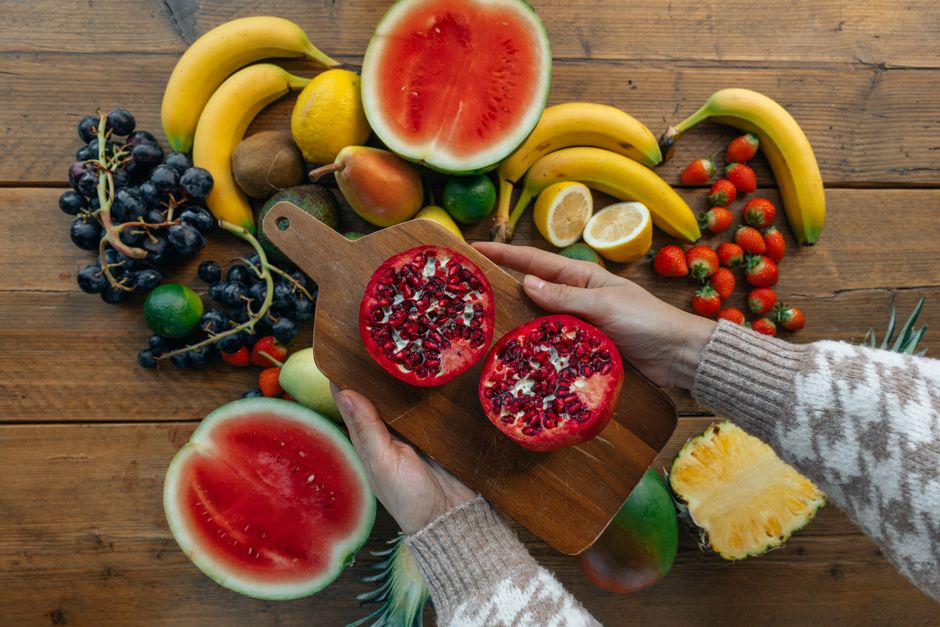
Watermelon is not bad for pregnancy. In fact, it is generally a healthy and safe choice for most pregnant women. It provides hydration, key vitamins, and minerals that support both you and your baby. The real question is not whether it is bad, but how much is right for you and whether you need to consider any specific risks like gestational diabetes or food safety.
Is Watermelon Safe to Eat During Pregnancy?
Yes, watermelon is safe to eat during pregnancy for the vast majority of women. It is a whole fruit with no known toxic effects on pregnancy. The main safety concerns are not about the fruit itself but about how it is handled and how much you eat.
Wash the outside of the watermelon thoroughly before cutting it. The rind can carry bacteria from the soil or grocery store. Once cut, keep it refrigerated and eat it within a few days. This prevents bacterial growth that could cause foodborne illness, which is a higher risk during pregnancy.
What Are the Main Benefits of Watermelon for Pregnant Women?
Watermelon offers several real benefits during pregnancy. It is about 92 percent water, which helps with hydration. Pregnant women need more fluids to support increased blood volume and amniotic fluid. Staying hydrated also helps prevent common issues like constipation and urinary tract infections.
It provides a decent amount of vitamin C, which supports your immune system and helps your body absorb iron. It also contains vitamin A, which is important for your baby’s eye and skin development. Watermelon also has magnesium and potassium, which can help with muscle cramps that are common in later pregnancy.
One less obvious benefit is that watermelon contains lycopene, an antioxidant. Some research suggests lycopene may help reduce the risk of preeclampsia, a serious pregnancy complication involving high blood pressure. The evidence is not strong enough to claim it prevents it, but the nutrient is beneficial for overall health.
Is Watermelon Bad for Gestational Diabetes?
This is where you need to be careful. Watermelon has a high glycemic index, meaning it can raise your blood sugar quickly. If you have gestational diabetes or are at high risk for it, you cannot eat large amounts of watermelon freely.
However, the glycemic load of a typical serving is moderate. A single serving is about one cup of diced watermelon, which has around 11 grams of carbohydrates. That is not a problem for most women with well-controlled gestational diabetes. The issue comes when someone eats half a melon in one sitting, which can spike blood sugar significantly.
If you have gestational diabetes, pair watermelon with a protein or fat source, like a handful of almonds or a few cheese cubes. This slows down sugar absorption. Always check your blood sugar after trying new foods to see how your body responds. Talk to your doctor or dietitian about your specific carbohydrate limits.





Can Eating Watermelon Cause Heartburn or Indigestion?
Some pregnant women report that watermelon triggers heartburn. This is not a universal problem, but it happens for a reason. Watermelon is acidic, and during pregnancy the valve between your stomach and esophagus relaxes due to hormonal changes. This allows stomach acid to flow upward more easily.
If you are prone to heartburn, eat watermelon in smaller amounts and not right before lying down. Eating it on an empty stomach may also trigger symptoms for some people. If it bothers you, reduce the portion size or avoid it until after delivery. There is no harm in skipping it if it causes discomfort.
Does Watermelon Help with Morning Sickness?
Many women find watermelon helpful for morning sickness, though the evidence is mostly anecdotal. The high water content and mild sweetness can be easier on the stomach than heavier foods. Cold watermelon can also be soothing if you are feeling nauseous.
There is no clinical study proving watermelon treats morning sickness. But it is a low-odor, easy-to-digest food that provides fluids and some calories when eating is difficult. If it works for you, it is a reasonable choice. If it does not help, do not force it.
Are There Any Risks of Eating Too Much Watermelon?
Eating too much of anything during pregnancy can cause problems, and watermelon is no exception. The main risks are related to blood sugar spikes, digestive discomfort, and nutrient imbalances.
Eating very large amounts could theoretically lead to a condition called lycopenodermia, where your skin turns a yellowish-orange color from excessive lycopene. This is harmless and goes away when you cut back, but it is a sign you are overdoing it. You would need to eat several pounds of watermelon daily for weeks for this to happen.
More practically, too much watermelon can crowd out other nutrient-dense foods you need during pregnancy, like protein, healthy fats, and leafy greens. It also adds calories that can contribute to excessive weight gain if not balanced with your overall diet.
Is Watermelon Bad for Pregnancy Benefits and Risks: The Bottom Line
Watermelon is a healthy fruit that most pregnant women can eat without worry. The benefits include hydration, vitamins, and minerals that support pregnancy. The risks are mainly about portion control, especially if you have gestational diabetes, and food safety practices like washing the rind.
Stick to one to two cups per day as a reasonable serving. Listen to your body. If it causes heartburn or digestive issues, eat less or avoid it. If you have gestational diabetes, be mindful of portion size and pair it with protein. As with most foods during pregnancy, moderation is the key.
Frequently Asked Questions
Can watermelon cause miscarriage?
No, there is no evidence that watermelon causes miscarriage. This is a myth with no scientific backing.
How much watermelon can I eat per day while pregnant?
One to two cups of diced watermelon is a reasonable serving for most pregnant women. Adjust this based on your blood sugar levels if you have gestational diabetes.
Is it safe to eat watermelon seeds while pregnant?
Yes, swallowing a few watermelon seeds is harmless. The seeds are not toxic and will pass through your digestive system.
Does watermelon help with swelling in pregnancy?
Watermelon may help with mild swelling because it is hydrating and contains potassium, which helps balance fluids. It is not a treatment for serious swelling, which requires medical attention.
