
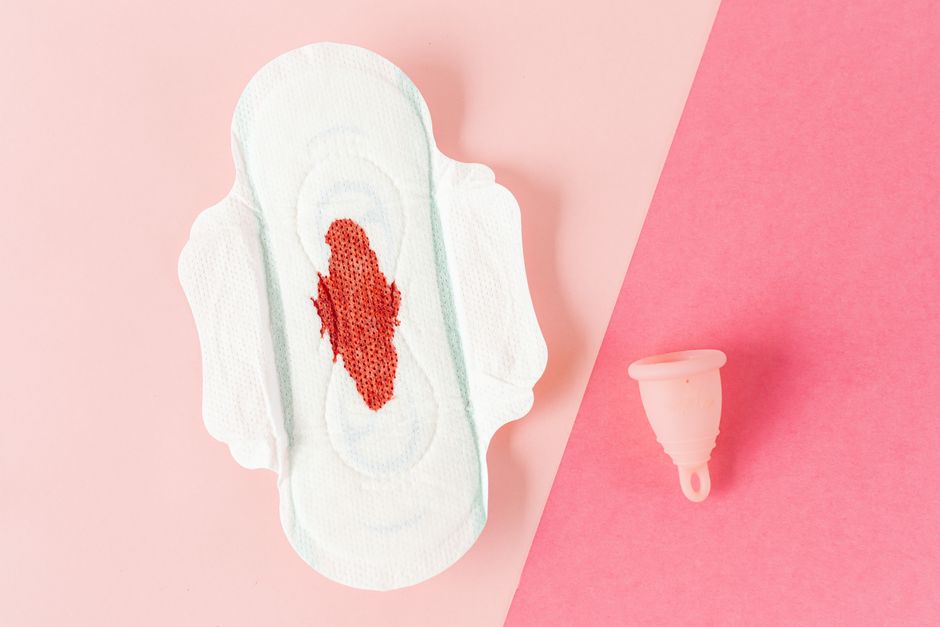
If your period arrived 13 days early, you likely felt a flash of worry. It is a sudden change that feels alarming. The most common reasons are anovulatory cycles (cycles where you do not ovulate), significant stress, or a shift in birth control. For many people, this is a one-time event caused by a temporary hormone imbalance. However, a period that is consistently 13 days early can point to conditions like thyroid problems, polycystic ovary syndrome (PCOS), or perimenopause. Understanding the specific cause matters because treatment depends on it.
What Does an Anovulatory Cycle Have to Do With an Early Period?
An anovulatory cycle is a menstrual cycle where the ovary does not release an egg. This is very common and happens to most women a few times a year. When ovulation does not occur, the body does not produce enough progesterone. Progesterone is the hormone that normally stabilizes the uterine lining and keeps it from shedding too soon.
Without enough progesterone, the uterine lining can break down and bleed early. This bleeding can look like a light, early period. It may be shorter or heavier than your usual flow. Research published in the journal Fertility and Sterility has found that anovulatory cycles are a leading cause of irregular bleeding in women of reproductive age. If this happens only once, it is usually nothing to worry about. If it happens repeatedly, it is worth discussing with a doctor.
How Does Stress Cause a Period to Come 13 Days Early?
Stress affects the part of your brain that controls your hormones. Your hypothalamus, which sits at the base of your brain, regulates your menstrual cycle. When you are under intense stress — from work, illness, or major life changes — your body can suppress or alter the release of hormones like gonadotropin-releasing hormone (GnRH).
This disruption can cause your cycle to shorten. Some women experience a period that is 10 to 14 days early during a particularly stressful month. The American College of Obstetricians and Gynecologists (ACOG) notes that stress-related menstrual changes are common and usually reversible once the stress resolves. If you can identify a clear stress trigger, your cycle may return to normal on its own within one or two cycles.
Can Birth Control Make Your Period Come 13 Days Early?
Yes, birth control is a frequent cause of early breakthrough bleeding. Hormonal birth control — pills, patches, rings, and IUDs — works by changing your natural hormone levels. When you first start a new method or miss a dose, your uterine lining may shed unexpectedly.
Progestin-only methods like the mini-pill or the hormonal IUD are especially known for causing irregular bleeding. The CDC reports that up to 40% of women using a progestin-only pill experience unscheduled bleeding in the first few months. If you are on the combined pill, missing even one active pill can trigger early withdrawal bleeding. This is not a true period, but it looks like one. It usually resolves once your body adjusts to the method or you get back on schedule.





What Role Does Perimenopause Play in an Early Period?
Perimenopause is the transition period before menopause. It typically starts in your mid-40s but can begin earlier. During this time, estrogen and progesterone levels fluctuate unpredictably. These fluctuations can cause your cycle length to change dramatically.
One month your period may be 13 days early. The next month it may be 10 days late. The National Institute on Aging states that changes in menstrual frequency and duration are hallmark signs of perimenopause. If you are in your 40s and experiencing early periods along with hot flashes, night sweats, or sleep problems, perimenopause is a likely cause. Bleeding that is very heavy or lasts more than 7 days should still be evaluated by a doctor.
Why Is My Period 13 Days Early Common Reasons Related to Thyroid or PCOS?
Thyroid disorders and PCOS are two medical conditions that commonly cause irregular cycles. An overactive thyroid (hyperthyroidism) can speed up your metabolism and shorten your cycle. This can make your period come early and be lighter than usual. The American Thyroid Association notes that menstrual irregularities are a common symptom of untreated thyroid disease.
PCOS affects about 1 in 10 women of childbearing age. It causes an imbalance of reproductive hormones, leading to infrequent or absent ovulation. Some women with PCOS experience unpredictable bleeding that can appear early. A study in the Journal of Clinical Endocrinology & Metabolism found that women with PCOS often have cycles that are either too long or too short, with unpredictable bleeding patterns. If you also have acne, excess facial hair, or difficulty losing weight, PCOS may be a factor.
When Should You See a Doctor for an Early Period?
A single early period is rarely a medical emergency. You can typically wait and see if your next cycle returns to normal. However, you should see a doctor if the early bleeding is very heavy (soaking through a pad or tampon every hour), lasts more than 7 days, or is accompanied by severe pain, fever, or dizziness. These could be signs of a more serious condition like an ectopic pregnancy or a uterine fibroid.
You should also seek medical advice if you have early periods for three or more cycles in a row. This pattern may indicate an underlying condition that needs treatment. Your doctor may order blood tests to check your thyroid, prolactin, and reproductive hormones. An ultrasound can check for ovarian cysts or fibroids. The goal is to rule out anything serious and find a treatment that works for you.
| Cause | Typical Timing | Key Signs | How Common |
|---|---|---|---|
| Anovulatory cycle | Single episode | Light bleeding, no ovulation | Very common |
| Stress | Linked to stressful event | Short cycle, resolves with stress reduction | Common |
| Birth control | First 3 months or after missed dose | Spotting, breakthrough bleeding | Common |
| Perimenopause | Age 40+ | Irregular cycles, hot flashes | Very common in this age group |
| Thyroid disorder | Persistent | Weight changes, fatigue, heart palpitations | Less common |
| PCOS | Persistent | Acne, hair growth, weight gain | About 1 in 10 women |
Frequently Asked Questions
Can a period 13 days early mean pregnancy?
Early bleeding can be implantation bleeding, which occurs about 6-12 days after conception. But a period that is 13 days early is more likely due to a hormonal shift than pregnancy.
Is it normal to have a period 13 days early after stopping birth control?
Yes, it is very common. Your body needs time to resume its natural hormone production, which can cause irregular cycles for several months.
How many days early is too early for a period?
A period that is more than 7 days early is considered abnormal. If it happens more than once, it is worth discussing with a healthcare provider.
Can exercise cause a period to come 13 days early?
Extreme exercise, especially endurance training, can disrupt hormone levels and cause early or missed periods. Moderate exercise does not typically cause this.
