
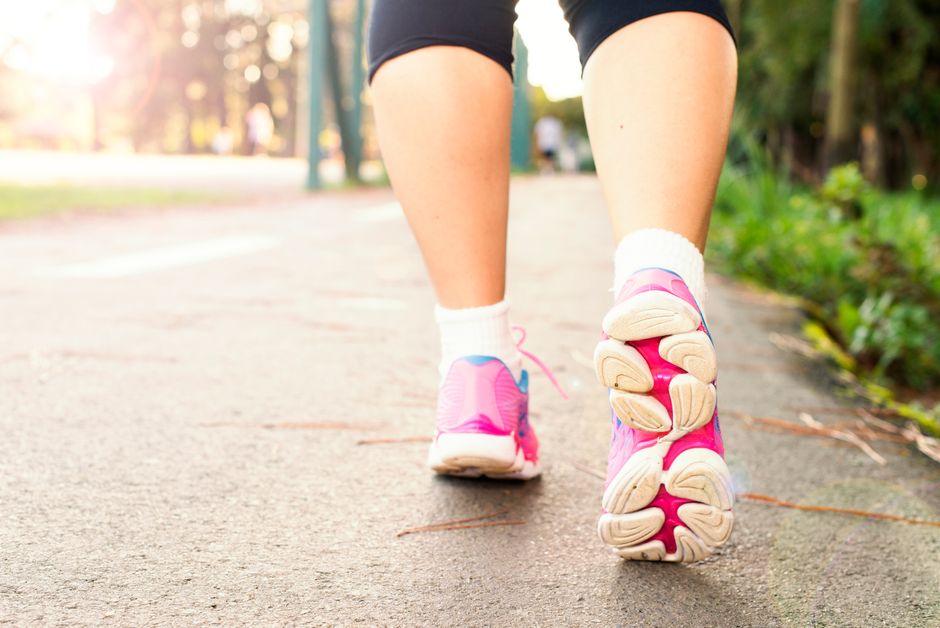
Walking is one of the most natural things we do, yet it sends a force through your legs that can reach several times your body weight with every step. The good news is that you have real control over how much of that force your knees, hips, and ankles actually absorb. By changing how you step, where you walk, and what you wear on your feet, most people can meaningfully reduce the load their joints feel.
The core idea is simple. Force you cannot avoid can be spread out, redirected, or softened. Softer steps, a slightly faster and shorter stride, supportive shoes, and a smoother surface all lower the peak impact that travels up your leg. None of this requires special equipment or a gym. It requires paying attention to a few habits you probably never think about.
What Actually Happens To Your Joints When You Walk?
Every step is a small collision. Your foot meets the ground, and the ground pushes back with a force equal to what your body sends down. Researchers call this the ground reaction force, and it typically peaks at around one to one and a half times your body weight during normal walking. That is the steady load. On top of it, many people land with a sharp spike called an impact transient, a brief jolt that can push forces higher.
Your body is built to handle some of this. Cartilage cushions the ends of your bones. The fluid inside your joints spreads pressure. Muscles act like shock absorbers, lengthening and contracting to soak up energy before it reaches bone. When all of these systems work well, walking is safe and even helpful for joints.
The problem is when the load concentrates. A hard heel strike, a long overstriding step, or weak supporting muscles can send more force to a smaller area. Over years, that repeated concentration is one factor linked to joint pain and cartilage wear. It is not the only factor. Genetics, previous injury, body weight, and age all play roles. But the way you walk is one of the few things you can change today.
Why Does How You Step Matter More Than How Far You Walk?
The size of each impact matters more than the total distance for joint stress. Think of it like tapping a wall. A hundred gentle taps may do nothing. Ten hard hammer strikes can crack it. The peak force of each step, not just the number of steps, is what your cartilage and bone have to survive.
This is why two people can walk the same mile and put very different loads on their knees. One glides with soft, quiet steps. The other lands hard on the heel with a locked knee and a long stride. The second person is essentially braking with every step.
So the goal is not to walk less. Walking is good for joints when the load is reasonable. The goal is to lower the peak force of each step. You do that by landing softer, keeping your stride under control, and letting your muscles do more of the shock absorbing.
How Do You Take a Softer Step?
Softer steps start with where your foot lands and how quietly you move. One of the most useful cues is to walk quietly, as if you do not want anyone to hear you. People who try this naturally shorten their stride, bend their knees slightly more, and land with less of a hard heel slam. Studies on gait retraining have found that this kind of cue can reduce impact forces.
Here is what to focus on:
- Land closer to the middle of your foot rather than far out on the heel. A hard, extended heel strike creates a bigger jolt.
- Shorten your stride. Reaching your front foot too far out acts like a brake and increases force through the leg.
- Keep a slight bend in your knee when your foot contacts the ground. A locked, straight leg passes impact straight up to the hip.
- Relax your shoulders and let your arms swing naturally. Tension travels down.
- Aim for a slightly quicker, lighter cadence. More, smaller steps usually means less force per step.
You do not need to overhaul everything at once. Pick one cue, like walking more quietly, and practice it for a few minutes on a normal walk. Change one thing at a time so your body can adjust.





Does Walking Speed And Stride Length Change The Load?
Yes, and the relationship is not as obvious as it seems. Walking faster increases the total force your joints handle, because you are covering ground quicker and pushing off harder. But a faster, shorter stride can actually reduce the sharpness of each impact compared with a slow, long, heavy stride.
The worst combination for joints is a long stride taken slowly, with a hard heel landing. That pattern maximizes the braking force and the impact spike. A shorter stride, whether you go fast or slow, tends to soften the landing.
For most people, a comfortable pace with a modest stride is the sweet spot. If you want to walk faster for fitness, let your step rate increase rather than your step length. Think quick and light, not long and heavy.
What Role Do Shoes And Surfaces Play?
Your shoes and the ground under you are the first line of defense against impact. A worn-out shoe with a flattened midsole has lost much of its ability to cushion. Replacing shoes when the cushioning breaks down is one of the simplest things you can do for your joints, though there is no single rule for exactly when to replace them, since it depends on the shoe, your weight, and how much you walk.
On surfaces, softer is generally kinder. Grass, dirt trails, and rubberized tracks absorb some of the force before it reaches you. Concrete and asphalt are hard and send more of the impact back up your leg. That does not mean you must avoid pavement. It means that if you walk mostly on hard surfaces, the other habits, like a softer step and good shoes, matter even more.
One non-obvious point: barefoot walking and so-called minimalist shoes are sometimes promoted as more natural and better for joints. The evidence here is mixed. Some research suggests that walking without cushioned shoes can encourage a softer, more midfoot landing, which may reduce impact in some people. But for many people, especially those with existing joint pain or foot problems, less cushioning means more force reaching the joints. There is no strong evidence that minimalist shoes prevent joint problems, and they can increase stress on the feet and ankles during the transition.
How Can Strength And Body Weight Reduce Joint Impact?
Your muscles are shock absorbers, and stronger muscles absorb more. The quadriceps in the front of your thigh, the glutes in your hips, and the calf muscles all help control how your leg meets the ground. When these are weak, more force passes through to the joint surfaces.
Building strength in these areas is one of the more reliable ways to protect your joints over time. Simple exercises like sit-to-stand from a chair, step-ups, and heel raises work the muscles that matter for walking. You do not need heavy weights. Consistent, moderate strengthening is what counts.
Body weight also matters, because every step carries it. Walking at a higher body weight means more force with each step. This is a sensitive topic, and it is worth being honest: weight is influenced by many factors that are not fully under a person’s control, and no one should feel blamed. But the physics is straightforward. A lighter body sends less force through the joints with each step. For people carrying extra weight, even modest reductions can lower the load on knees and hips. This is not about appearance. It is about the force your joints manage thousands of times a day.
When Should You Pay Attention To Pain While Walking?
Some discomfort during or after walking is common, but pain that persists, worsens, or changes how you walk is a signal worth heeding. Pain can make you limp or shift your weight, and those changes can spread strain to other joints. Ignoring it rarely helps.
See a healthcare professional if you have joint pain that lasts more than a few weeks, swelling, stiffness that eases with movement but returns after rest, or pain that wakes you at night. These can point to conditions that need proper evaluation rather than self-treatment through gait changes alone.
Walking well is not about pushing through pain. It is about giving your joints reasonable, well-distributed load and building the support around them so they can handle it.
Frequently Asked Questions
Does walking wear out your joints?
No, moderate walking generally supports joint health rather than harming it. The concern is not walking itself but repeated high-impact, hard landings that concentrate force, which is something you can change.
What is the best way to reduce impact when walking?
Taking shorter, softer steps and landing closer to the middle of your foot lowers peak impact forces. Supportive shoes and softer surfaces help too.
Are minimalist or barefoot shoes better for your joints?
The evidence is mixed, and there is no strong proof they prevent joint problems. For many people, less cushioning means more force reaching the joints, so they are not a clear improvement.
Can losing weight reduce joint impact while walking?
Yes, a lighter body sends less force through the joints with each step. Even modest weight reduction can lower the load on knees and hips.
