
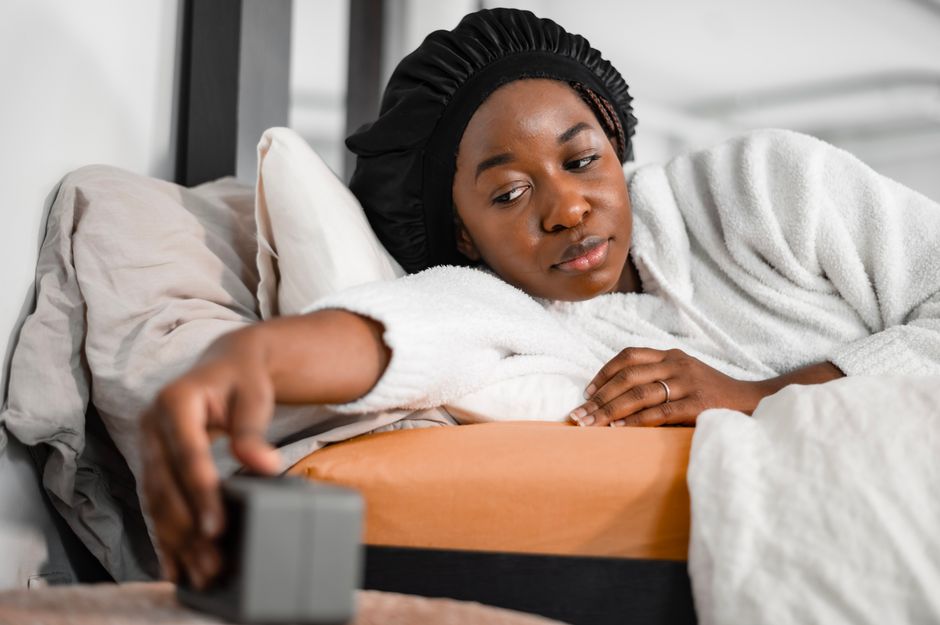
Waking up on the first alarm is not a test of willpower. It is mostly a timing problem. Your body wakes most easily when an alarm lands near the end of a sleep cycle, when your core temperature is already rising and your sleep pressure has mostly cleared. Alarms that interrupt deep sleep produce the heavy, disoriented feeling people call sleep inertia. The practical answer is to build a consistent sleep schedule, get enough hours, and let light do part of the work before the sound does.
Why Does The First Alarm Feel So Hard To Answer?
Sleep is not one uniform state. It moves through cycles of lighter and deeper stages roughly every 90 minutes, and the stage you are in when the alarm sounds shapes how you feel. Waking from deep slow-wave sleep tends to produce sleep inertia: grogginess, slow reaction time, and a strong pull back toward sleep. Waking from lighter sleep, or near the end of a cycle, usually feels far easier.
This is why two people can get the same seven hours and have completely different mornings. The person whose alarm lands in light sleep sits up. The person pulled out of deep sleep hits snooze.
Sleep inertia is real and measurable, but it is temporary. It typically fades within a short period after waking, faster after light activity and bright light exposure, and slower when you go back to sleep. Snoozing does not remove the inertia. It restarts a short sleep fragment, which often means being pulled out of sleep again minutes later, sometimes from a deeper stage than before.
There is also a second force at work: sleep pressure. A chemical called adenosine builds up in the brain while you are awake and drains during sleep. High adenosine makes you sleepy. If you cut sleep short, adenosine is still high at alarm time, and no amount of motivation overrides that biology.
How Many Hours Do You Actually Need?
Most adults need seven or more hours of sleep per night for good health, according to long-standing guidance from major sleep and medical organizations. Some people genuinely function well on slightly less, but that group is smaller than most people assume.
Short sleep is the single most common reason the first alarm fails. If you are sleeping six hours and expecting to spring out of bed at 6 a.m., the problem is not your alarm technique. It is the math.
There is a common misunderstanding worth clearing up. Feeling “used to” six hours is not the same as being unaffected by six hours. People who chronically sleep less than they need often report feeling fine while still showing slower reaction times and reduced alertness on objective testing. The subjective sense of coping can outrun the actual performance.
Sleep need is also partly genetic and changes with age. Teenagers need more than adults. Older adults often sleep lighter and wake more during the night, which can make early waking easier but total sleep shorter. The target stays roughly the same even when the ability to reach it changes.
What Is The Best Way To Wake Up On The First Alarm Every Time?
The strongest lever is a consistent wake time. Going to bed and getting up at the same time every day, including weekends, trains the circadian system to expect wakefulness at that hour. When your internal clock is already anticipating morning, the alarm confirms what your body is preparing for rather than fighting it.
Weekend catch-up sleep is the most common way people undo this. Sleeping in until 10 a.m. on Saturday shifts the clock later, which is why Monday mornings feel like a small jet lag. The fix is not to skip rest. It is to keep the wake time within roughly an hour of your weekday time and protect the earlier bedtime instead.
Light is the second lever. Morning light is the strongest signal for setting the circadian clock. Opening curtains, stepping outside, or using a bright light source soon after waking helps anchor the schedule. Light exposure in the evening does the opposite and can push the clock later.
Timing the alarm to your cycle is the third. Because cycles run roughly 90 minutes, some people find that setting the alarm for a time that lands near the end of a cycle helps. This is approximate at best. Sleep cycles vary between people and between nights, so cycle-based alarm apps are working from an estimate, not a measurement. They can help some people and do nothing for others. No large trial has confirmed they reliably reduce sleep inertia.





Does Hitting Snooze Make Waking Up Harder?
Snoozing usually makes the process worse, not better. Each snooze drops you back into a short sleep fragment. If that fragment is long enough to enter deeper sleep, the next alarm pulls you out of a deeper stage than the first one did. The result is more inertia, not less.
The ten minutes of broken sleep between alarms is not restorative. It is closer to fragmented, low-quality sleep that leaves you foggy and slightly more irritated.
The most effective approach for most people is to set one alarm and get up when it sounds. Placing the alarm across the room helps because it forces movement, and movement raises alertness. If you genuinely cannot get up without a backup, set a second alarm a few minutes later and treat the first as the real one.
One practical trick that works for many people is to sit up and put both feet on the floor immediately. The physical change in posture, combined with light and movement, interrupts the pull back toward sleep. It sounds trivial. It is not.
Can Light And Temperature Help You Wake Up?
Light and temperature both shift the wake-up signal earlier if you use them consistently. Morning bright light advances the circadian clock, meaning your body starts its wake-up sequence sooner. This is why people who get outside early tend to feel more alert in the morning and sleepier at a reasonable hour at night.
Core body temperature follows a daily rhythm. It dips in the middle of the night and begins rising before you wake. A warm shower in the morning, or simply being active, supports that rise. A cool, dark, quiet bedroom at night supports the drop that helps you fall asleep in the first place. The two work as a pair.
Some people use sunrise-simulating alarms that gradually brighten before the sound. These can make waking feel gentler because light reaches you before the auditory jolt. The evidence that they reduce sleep inertia is limited and mixed. They are reasonable to try, but they are not a substitute for adequate sleep and a steady schedule.
What If You Still Cannot Wake Up On The First Alarm?
If you are sleeping seven or more hours, keeping a consistent schedule, and still cannot wake up on the first alarm, the problem may not be behavioral. Several conditions can cause persistent difficulty waking, excessive daytime sleepiness, or unrefreshing sleep.
- Obstructive sleep apnea, which fragments sleep repeatedly through the night without the person being aware of it
- Circadian rhythm disorders, where the internal clock is shifted later than the person’s schedule requires
- Iron deficiency or other conditions that cause fatigue
- Depression and some other mental health conditions, which commonly affect sleep and morning energy
- Medications with sedating side effects
- Thyroid disorders and other medical causes of low energy
These are not rare. Sleep apnea in particular is common and often undiagnosed, and it does not always come with obvious snoring. If you wake up unrefreshed no matter how long you sleep, that pattern is worth discussing with a clinician rather than pushing through.
There is also a group of people with a genuinely delayed body clock, sometimes called delayed sleep phase. Their biology does not want to sleep until late and does not want to wake until late. Forcing an early alarm against that clock produces chronic sleep debt. This is a recognized condition, not a character flaw, and it has clinical approaches.
Building A Morning That Works
The pieces fit together simply. Go to bed and wake at consistent times. Get enough hours, which for most adults means seven or more. Let morning light reach you early. Keep the room cool and dark at night. Set one alarm and get up when it sounds.
None of this requires special equipment or discipline beyond the first few weeks, while the clock resets. The body responds to repetition. A steady schedule is what makes the first alarm feel less like an interruption and more like a signal your body was already expecting.
Frequently Asked Questions
Why can I wake up before my alarm some days?
Waking just before the alarm usually means your sleep cycle finished naturally and your internal clock anticipated the wake time. It is more common when your schedule is consistent and you are getting enough sleep.
Is it bad to hit snooze every morning?
Snoozing tends to make waking harder because each short sleep fragment can pull you back into deeper sleep. Most people do better with a single alarm and getting up when it sounds.
How long does it take to adjust to a new wake-up time?
The circadian clock typically shifts gradually, and most people notice a difference within one to two weeks of holding a consistent wake time. Shifting earlier is usually slower than shifting later.
Do wake-up light alarms actually work?
Some people find them gentler and easier to wake to, but the evidence that they reliably reduce sleep inertia is limited and mixed. They work best alongside adequate sleep and a steady schedule.
