
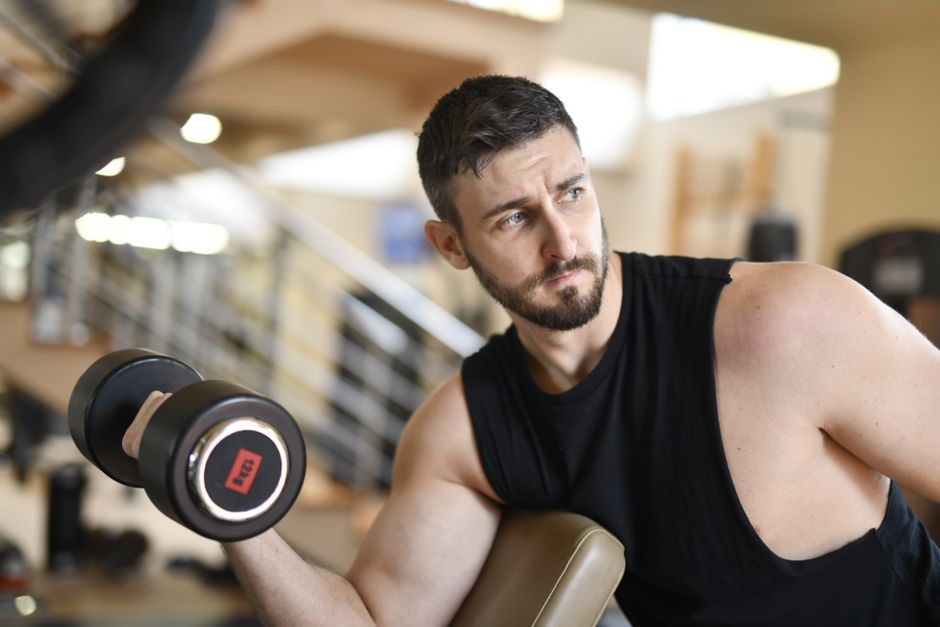
A torn bicep is a serious injury that needs prompt attention. The first thing to do is stop all activity and protect the arm from further damage. Apply a cold pack to the area for 15-20 minutes at a time to reduce swelling, and keep the arm supported in a comfortable position. You should seek medical care right away, as a complete tear often requires surgical repair to restore full strength and function.
How Can You Tell a Bicep Tear From a Strain?
Understanding what happened is the first step in giving the right first aid. A strain is a stretch or minor tear in the muscle fibers. A torn bicep usually means a partial or complete rupture of the tendon that attaches the muscle to the bone.
The most obvious sign of a complete tear is a sudden, sharp pain in the upper arm. Many people report hearing or feeling a “pop” at the moment of injury. You may also see a bulge in the upper arm that looks like a ball, sometimes called a “Popeye muscle.” This happens because the muscle bunches up when the tendon is no longer holding it in place.
Other symptoms include significant bruising, swelling, and weakness when you try to bend your elbow or rotate your forearm. If you have any of these signs, especially the bulge or a pop, you have likely torn the tendon completely. A strain will typically cause pain and stiffness but not the same visible deformity.
What To Do For A Torn Bicep First Aid Treatment
When you suspect a torn bicep, your immediate actions can limit further damage and prepare you for a better recovery. The standard first aid approach follows a simple structure: protect, rest, ice, and elevate.
- Protect and Rest: Stop using the arm immediately. Do not try to “work through” the pain. Use a sling to keep the arm supported and still. This prevents the torn tendon from retracting further and reduces the risk of making the tear worse.
- Apply Ice: Wrap a cold pack or a bag of frozen vegetables in a thin cloth and place it on the injured area. Do not apply ice directly to the skin. Keep it on for 15-20 minutes, then remove it for at least 40 minutes. Repeat this several times a day for the first 48 hours to control swelling and numb the pain.
- Elevate the Arm: Keep the injured arm elevated above the level of your heart when you are sitting or lying down. This helps reduce swelling by allowing fluid to drain away from the injury site.
- Take Over-the-Counter Pain Relief: Medications like ibuprofen or acetaminophen can help manage pain. Ibuprofen also acts as an anti-inflammatory. Always follow the dosing instructions on the label and check with your doctor if you have any medical conditions that affect medication use.
Avoid using heat on the injury in the first 48 hours. Heat increases blood flow and can increase swelling. Avoid massage and any attempt to stretch or exercise the arm until you have been evaluated by a doctor.
When Should You Go to the Emergency Room?
A torn bicep is not usually a life-threatening emergency, but it is a time-sensitive injury. You should go to urgent care or the emergency room if you experienced a pop with sudden weakness, if you see a visible bulge, or if you cannot bend your arm against light resistance.
Seek immediate care if you have severe pain, numbness, or tingling in your hand or fingers. These symptoms can indicate nerve involvement or a more complex injury. Coldness or bluish discoloration of the hand is also a red flag that requires urgent evaluation.
Delaying treatment for a complete rupture can affect your treatment options. The tendon can retract and become scarred within a few weeks. This can make surgical repair more difficult or, in some cases, impossible. Early evaluation gives you the most options.



What Are the Treatment Options After First Aid?
Your doctor will perform a physical exam and likely order imaging tests. An ultrasound or MRI can show the extent of the tear and whether it is partial or complete. These tests help determine whether surgery is necessary.
For partial tears, nonsurgical treatment is often effective. This involves wearing a sling for a few weeks, followed by a structured physical therapy program. Physical therapy focuses on regaining range of motion first, then gradually rebuilding strength. Most people with partial tears regain good function without surgery.
Complete tears are a different situation. Research consistently shows that surgery produces better outcomes for complete distal bicep tears, especially in younger or more active people. The surgery reattaches the tendon to the bone. Without surgery, you will likely lose some strength in elbow flexion and forearm rotation. The exact strength loss varies, but it can be significant for lifting and twisting movements.
For proximal tears, which happen at the shoulder end of the bicep, surgery is less commonly needed. Many older adults manage these tears well without surgery because the shoulder has other muscles that compensate. Your age, activity level, and which arm is injured all factor into the recommendation your surgeon will make.
How Long Does Recovery Take?
Recovery time depends on the severity of the tear and whether you have surgery. For nonsurgical treatment of a partial tear, you may wear a sling for two to four weeks. Physical therapy typically lasts six to eight weeks, and most people return to normal activities within three months.
Recovery after surgery is longer. You will likely wear a splint or sling for several weeks to protect the repair. Physical therapy starts early but is very gentle at first. You will not be cleared for heavy lifting for at least four to six months after surgery. Full recovery, including return to sports or demanding physical work, can take up to a year.
Following your surgeon’s protocol exactly is critical. Pushing too hard too soon can re-tear the repaired tendon. This complication is serious and often requires a second, more complex surgery. Patience during rehabilitation is not optional; it is the difference between a full recovery and a permanent setback.
What Mistakes Should You Avoid After This Injury?
Several common mistakes can delay healing or worsen the injury. The most common mistake is continuing to use the arm despite pain. The injury happened because the tendon could not handle the load. Continuing to load it will only cause more damage.
Avoid taking anti-inflammatory medication for the first 48 hours if you are planning surgery soon. Some surgeons prefer you avoid these medications because they can increase bleeding risk. Ask your doctor about this before taking anything beyond basic pain relief.
Do not attempt to pop the bulge back into place or massage the muscle. This does nothing for the torn tendon and can increase pain and swelling. Do not apply heat in the first two days. Heat promotes blood flow, which increases swelling in the acute phase.
Finally, do not delay seeing a specialist. A general practitioner can diagnose the problem but may not have the expertise to guide you on surgical timing. Ask for a referral to an orthopedic surgeon who specializes in sports medicine or shoulder and elbow injuries.
Frequently Asked Questions
Can a torn bicep heal without surgery?
Partial tears can heal without surgery with rest and physical therapy. Complete tears of the distal bicep tendon usually have better outcomes with surgery, especially for active individuals.
How do I know if my bicep is torn or just strained?
A complete tear often causes a popping sensation, a visible bulge in the arm, and significant weakness. A strain causes pain and stiffness but typically no deformity.
How long should I ice a torn bicep?
Apply ice for 15-20 minutes at a time, several times a day, for the first 48 hours after the injury. Always wrap the ice pack in a cloth to protect your skin.
Can I wait a week to see a doctor for a torn bicep?
Waiting can reduce your treatment options because the tendon may retract and scar. See a doctor within a few days of the injury for the best possible outcome.
