
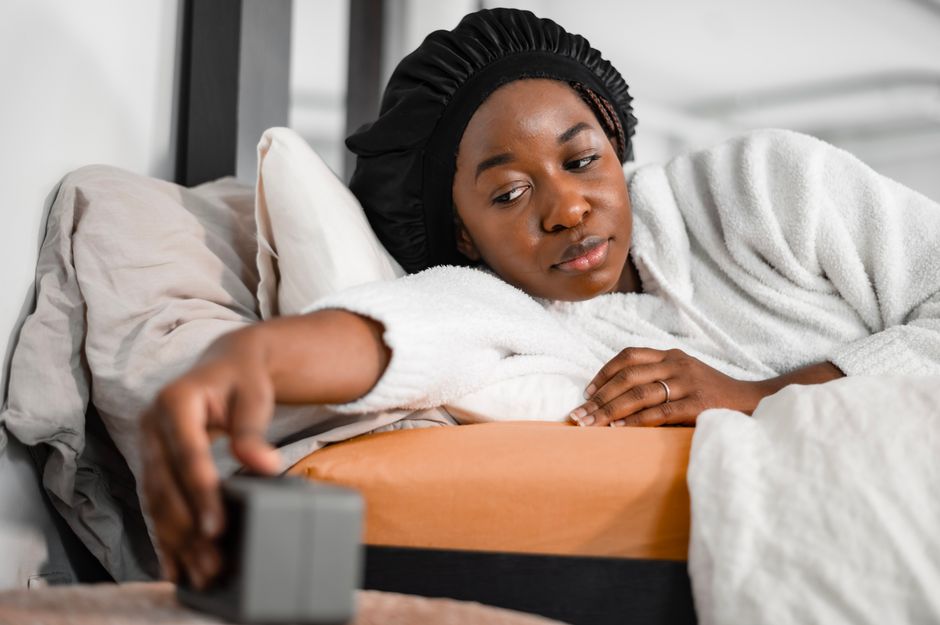
Motivation in the morning is less about willpower and more about biology and routine. The brain does not switch from sleep to drive on command; it responds to light, movement, timing, and small repeated actions. Building a few consistent habits around those signals is what makes waking up motivated feel normal rather than forced.
Why Is It So Hard To Feel Motivated In The Morning?
Your brain is not fully “online” the moment you open your eyes. For a period after waking, blood flow and electrical activity in the brain are still ramping up. This is sometimes called sleep inertia, and it can leave you groggy, slow, and uninterested in doing anything demanding.
Sleep inertia is a normal physiological state, not a character flaw. It typically fades as the body transitions fully into wakefulness. The problem is that many people try to make big decisions or start hard tasks during this window, then mistake the resulting fog for a lack of motivation.
There is also a hormonal angle. Cortisol, a hormone that helps regulate alertness, naturally rises in the early morning. This rise is part of a healthy daily rhythm. When sleep is short, irregular, or interrupted, that rhythm gets scrambled, and the morning rise may not arrive the way it should.
The takeaway: morning motivation is largely a function of sleep quality, timing, and the signals you give your body right after waking. It is far less about “wanting it” more.
What Daily Habits Actually Support Morning Motivation?
The habits that reliably help are the ones that work with your biology rather than against it. None of them are dramatic. That is the point.
- Keep a consistent wake time. Waking at roughly the same time every day, including weekends, helps anchor your body clock. A stable clock makes mornings more predictable and less of a fight.
- Get light early. Bright light in the first part of the day is one of the strongest signals for regulating your internal clock. Natural daylight is ideal, but a bright room helps too.
- Move your body. Even a short walk or a few minutes of stretching increases alertness. Movement does not need to be a full workout to shift how you feel.
- Delay heavy decisions. Give yourself a buffer before high-stakes thinking. Use the early minutes for simple, automatic tasks.
- Set one clear intention the night before. Knowing your first meaningful task removes the morning decision that often stalls people.
These habits reinforce each other. A consistent wake time makes early light exposure easier. Early light makes falling asleep the next night easier. Better sleep makes the next morning easier. The cycle compounds in your favor.
Does Sleep Quality Matter More Than Morning Routines?
Yes, and this is where a lot of advice gets the order wrong. No morning routine can fully compensate for chronic sleep deprivation. If you are consistently sleeping too little, the underlying problem is sleep, not motivation.
Most adults need seven or more hours of sleep per night, according to broad guidance from major sleep and health organizations. Individual needs vary, but regularly getting less than that tends to affect mood, attention, and energy. Those effects show up most clearly in the morning.
Two things matter as much as total hours:
- Consistency. Going to bed and waking at similar times supports a stable body clock.
- Continuity. Sleep that is frequently interrupted is less restorative, even if the total time in bed looks adequate.
A useful, non-obvious point: the single most effective “morning habit” is often a consistent bedtime. Morning motivation is frequently decided the night before. If you want to change how you feel at 7 a.m., the leverage point is often 11 p.m.





How Does Light Exposure Affect Waking Up Motivated?
Light is the primary signal your body uses to set its internal clock. Specialized cells in the eye respond to light and send signals to the brain that help regulate alertness and the timing of sleep.
Morning light exposure helps reinforce the timing of your body clock. When you get bright light early, it supports feeling alert during the day and helps set up the natural sleep pressure that builds toward night. When you avoid light in the morning and get lots of it late at night, that rhythm gets pushed in the wrong direction.
Practical implications are simple:
- Try to get outside or near a bright window within the first hour or so of waking.
- Dim lights and reduce bright screens in the hours before bed.
- Keep your wake time steady so light exposure happens at a consistent point each day.
You do not need special equipment. Ordinary daylight is usually enough to send the signal. The consistency of the timing is what matters most.
Can Caffeine And Breakfast Help Or Hurt Morning Energy?
Caffeine blocks a chemical called adenosine that builds up and promotes sleepiness. It can increase alertness in the short term, and this effect is well documented. But timing matters.
Drinking caffeine very early, right after waking, is common but not necessarily ideal. Caffeine’s effects can linger for hours. Consumed too late in the day, it can interfere with falling asleep, which then undermines the next morning. For many people, limiting caffeine to the earlier part of the day supports better sleep.
Breakfast is more individual. Some people feel sharper after eating; others prefer to wait. There is no single rule that fits everyone. What matters more is the overall pattern of eating, hydration, and sleep across the whole day rather than any one meal.
One caution: caffeine is not a substitute for sleep. It can mask tiredness temporarily, but it does not replace the restorative functions of sleep. Relying on it to push through chronic sleep debt tends to backfire over time.
Why Do Some People Wake Up Motivated And Others Do Not?
Differences in morning motivation come from several places, and most are not about discipline.
Chronotype is a real biological trait. People vary in when their body clock naturally wants them to sleep and wake. Some are naturally early risers, others are naturally later. This is partly genetic and shifts across the lifespan. A night owl forced into an early schedule may genuinely struggle more in the morning, and that is biology, not laziness.
Mental health also plays a role. Low mood and depression commonly affect energy and motivation, often worst in the morning. If a persistent lack of morning motivation comes with ongoing sadness, loss of interest, or changes in sleep and appetite, that is worth discussing with a clinician. It is not something to simply push through.
Medical conditions can affect morning energy too. Sleep disorders, thyroid problems, anemia, and other conditions can all contribute to fatigue. When tiredness is persistent and does not improve with better sleep habits, a medical evaluation is reasonable.
The point is not to pathologize every sluggish morning. Most people have them. The point is to recognize when a pattern is bigger than a habit problem.
How Long Does It Take To Build Morning Habits That Stick?
There is no fixed timeline, and anyone who gives you an exact number of days is oversimplifying. Habit formation varies widely between people and between behaviors. Some habits feel automatic within weeks; others take much longer.
What does help is making the habit small and specific. “Get outside for five minutes after waking” is easier to repeat than “be more motivated.” Repetition in a consistent context is what gradually turns an action into a default.
Expect some mornings to be harder than others. Progress is rarely linear. The goal is not a perfect streak; it is a pattern that holds up most of the time. Missing one day does not undo the habit. Quitting after one day does.
If you change nothing else, two habits tend to carry the most weight: a consistent wake time and early light exposure. Those two support the body clock, and a well-set clock makes everything else in the morning easier.
Frequently Asked Questions
What is the fastest way to feel motivated in the morning?
Getting bright light and moving your body shortly after waking tends to help most. These signals support alertness and help set your body clock for the day.
Is it normal to have no motivation in the morning?
Occasional sluggish mornings are normal and often linked to sleep inertia or short sleep. Persistent low morning motivation alongside sadness or loss of interest is worth discussing with a clinician.
Does snoozing make it harder to wake up motivated?
Repeated snoozing can fragment the final stretch of sleep and may leave you groggier. A consistent wake time without snoozing tends to make mornings more predictable.
Can I train myself to become a morning person?
You can shift your body clock somewhat with consistent wake times and morning light, but chronotype is partly biological. Some people will always find early mornings harder than others.
